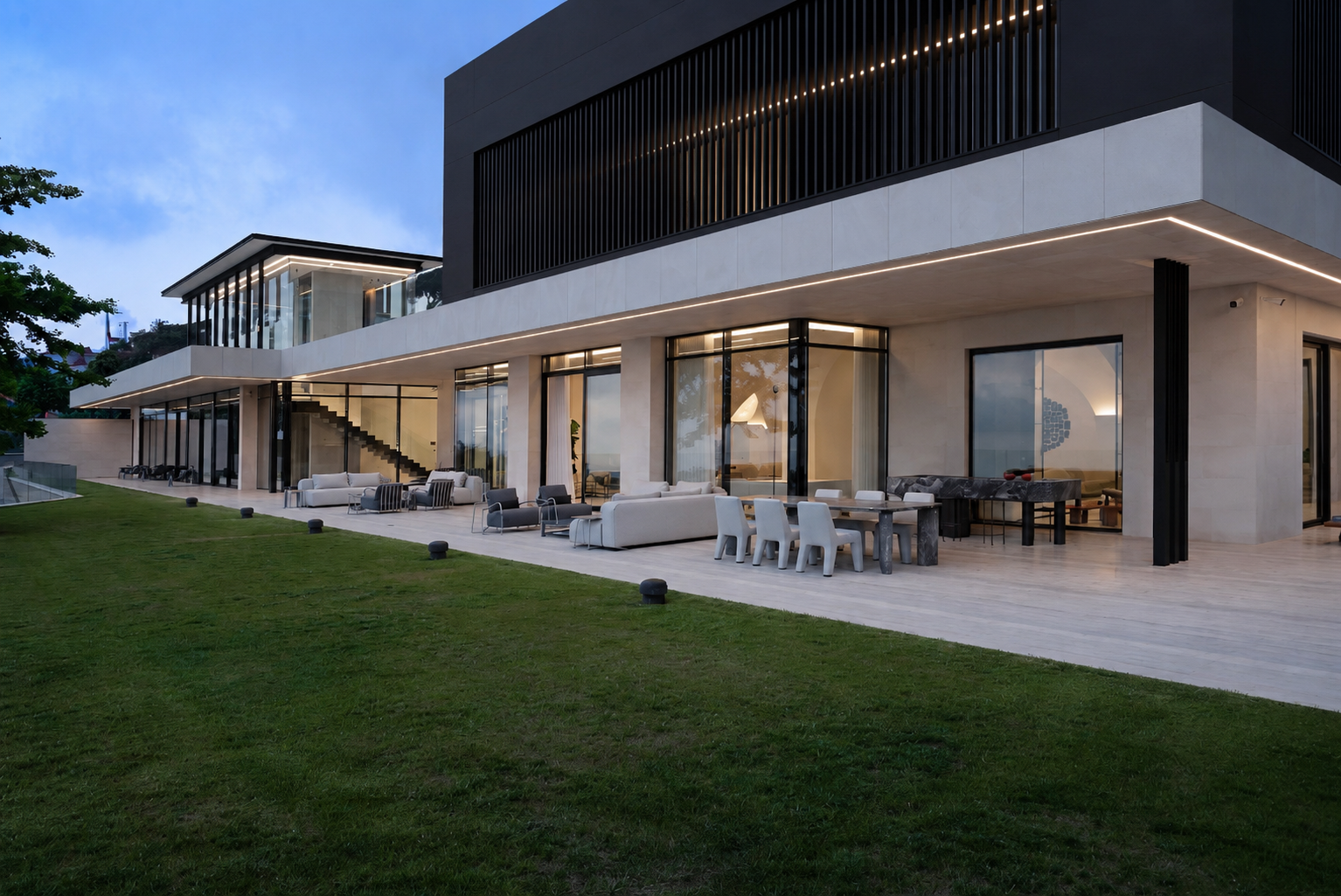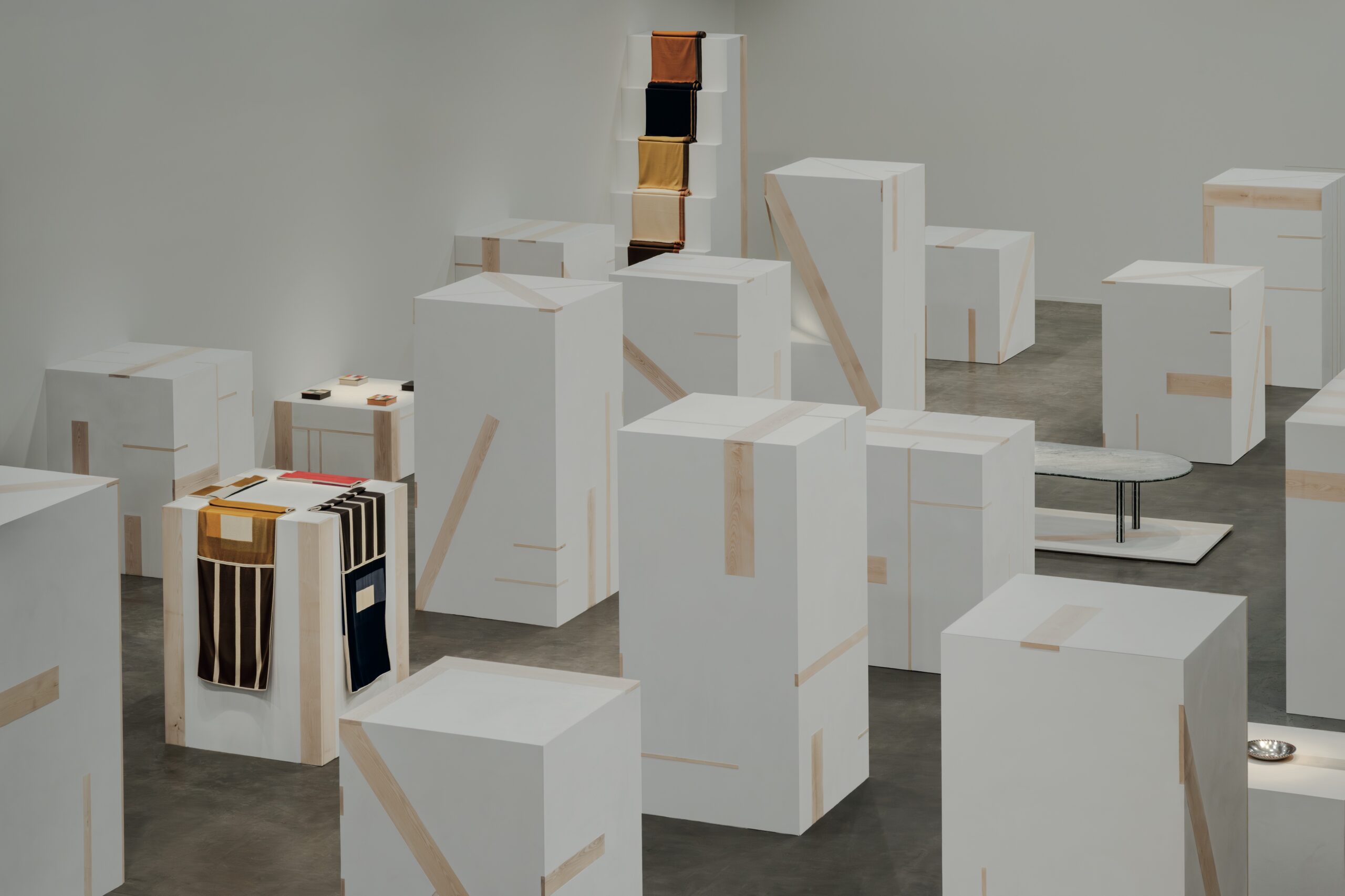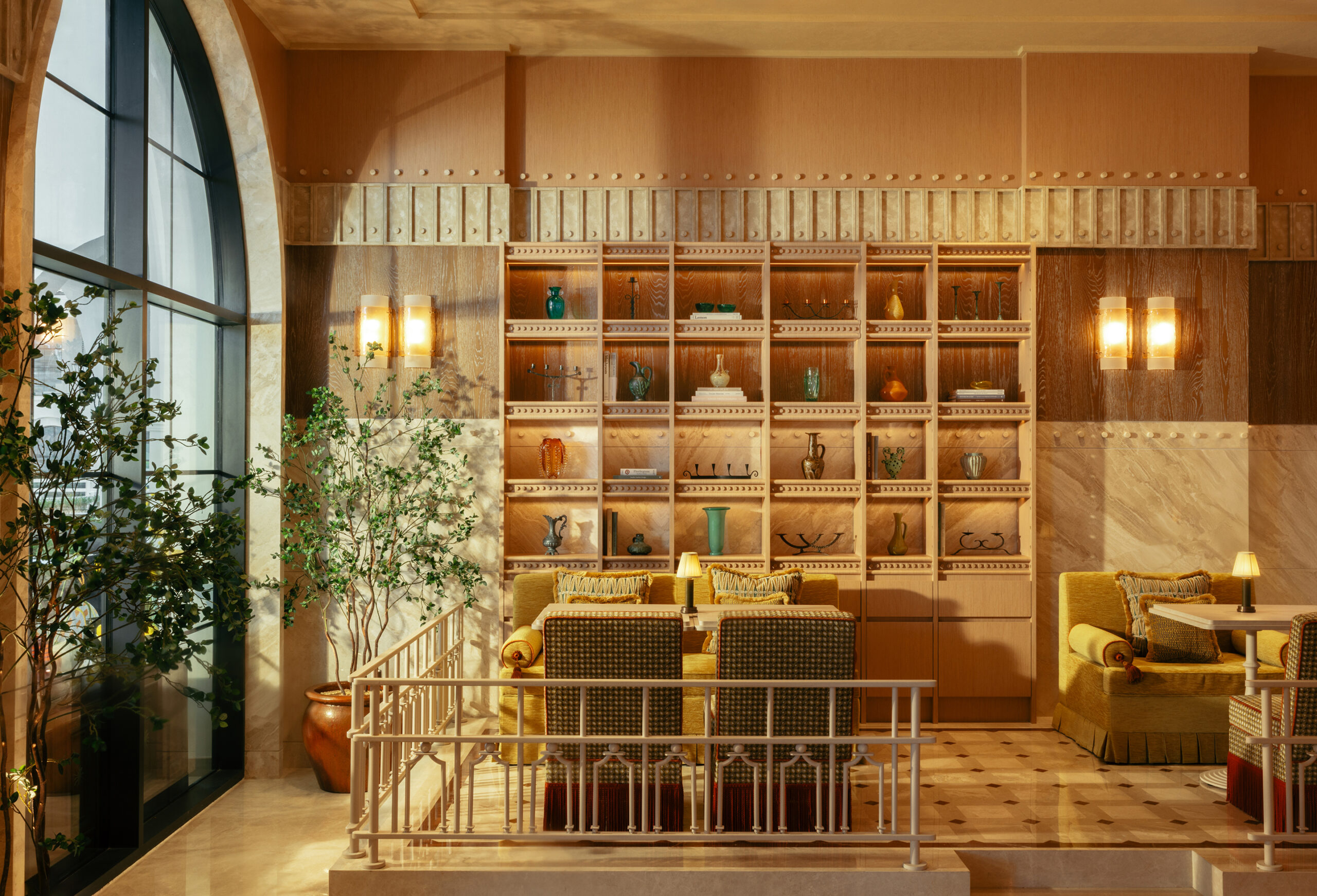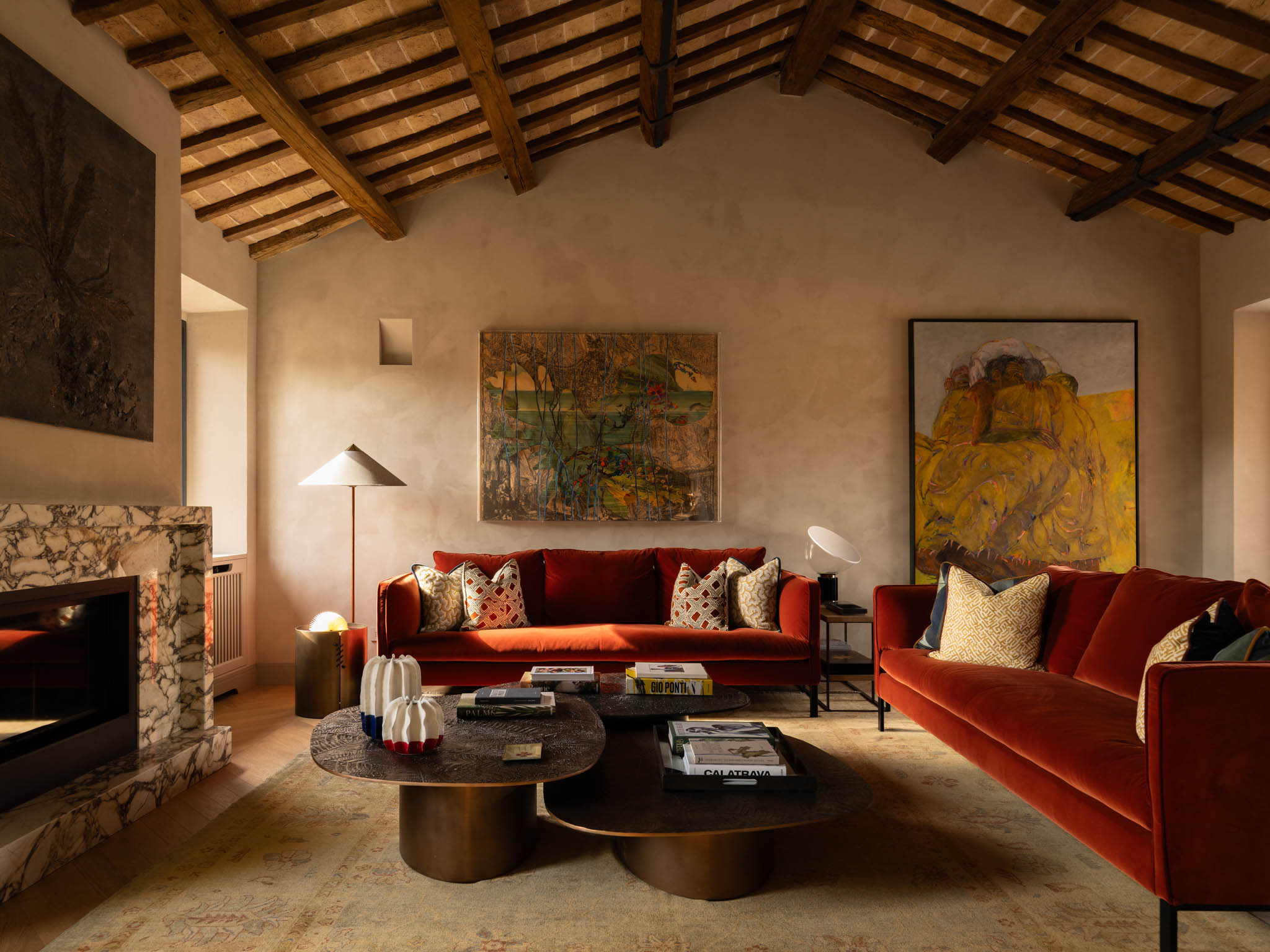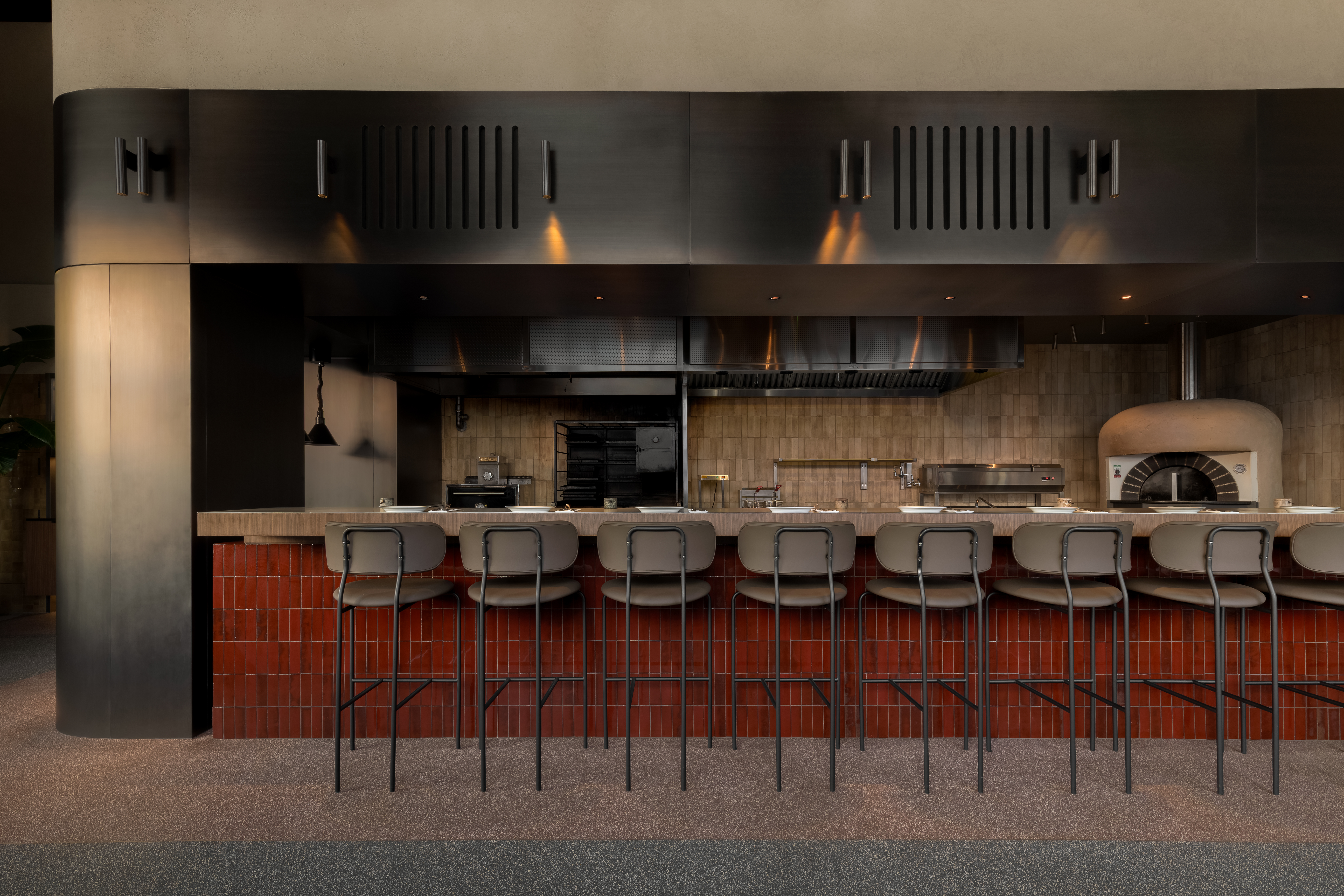
At the corner of Alserkal Avenue, where industrial architecture has been steadily re-scripted into a cultural landscape, WINDOW moves beyond the idea of a traditional restaurant, unfolding instead through a precise orchestration of space, light, and material. Conceived by the design team T.ZED, led by Tarik Zaharna and Anastasia Zakharchenko, the project unfolds as a constructed sequence of perceptions, where narrative precedes form and atmosphere is treated as an architectural material.
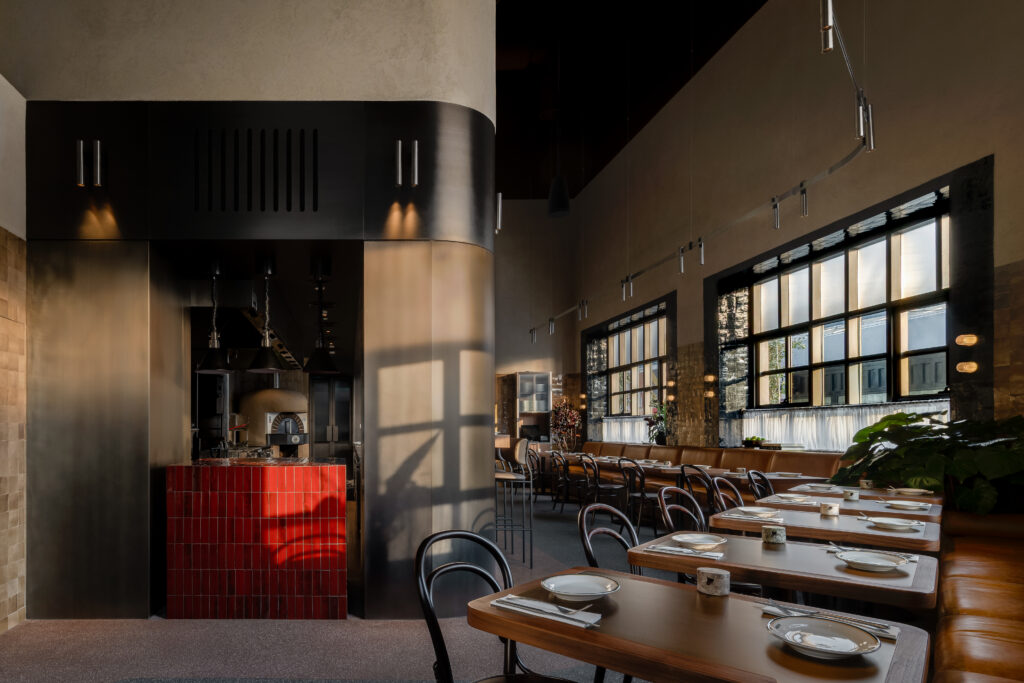
“With every project we need to fully immerse ourselves in the design process,” the architects explain. “We must not only imagine how the first step into the space feels, but also the journey starting with the approach.” This insistence on procession transforms the act of dining into something more deliberate, almost cinematic, where arrival, seating and inhabitation are choreographed with quiet precision. The restaurant, situated on a prominent corner, negotiates a dual imperative. “It needed to be approachable yet impactful in its design language,” they note, a tension that mirrors the broader condition of Alserkal itself, at once experimental and deeply local.
Within, the open fire kitchen becomes both problem and proposition. “An open fire kitchen came with its fair share of challenges, but at the same time this is what made the project unique.” The question, as they frame it, is one of calibration. “How do we keep that as front and centre while maintaining just the right light levels, dim enough to accentuate the fire, bright enough to dine comfortably.” The resolution is neither purely technical nor aesthetic, but experiential. “Once we set the narrative, the journey and logistical requirements, all other components fall into place.”
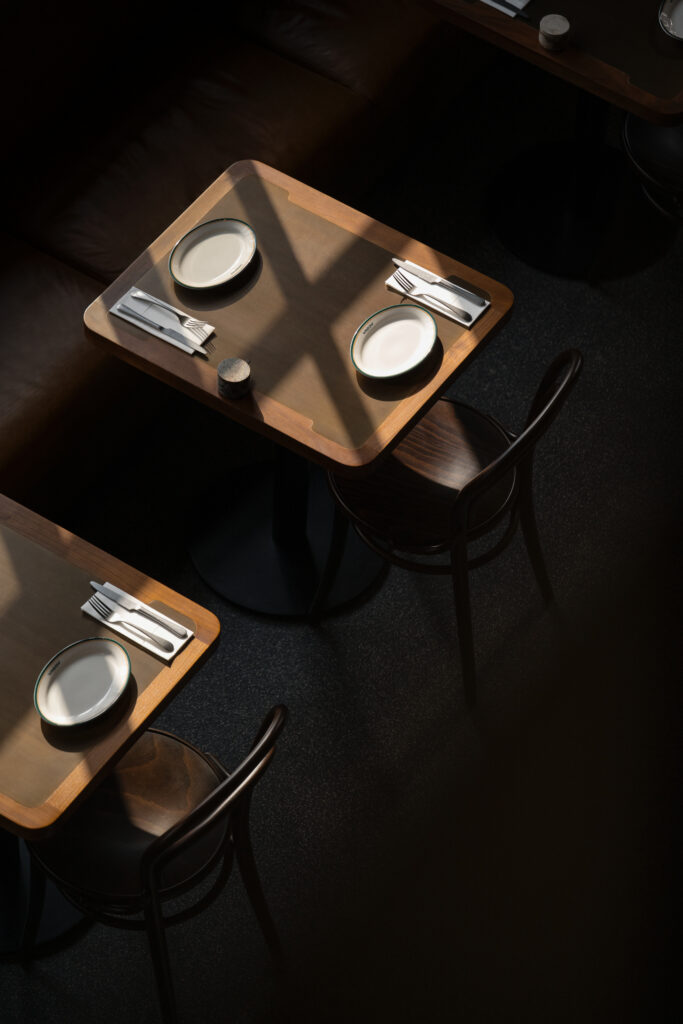
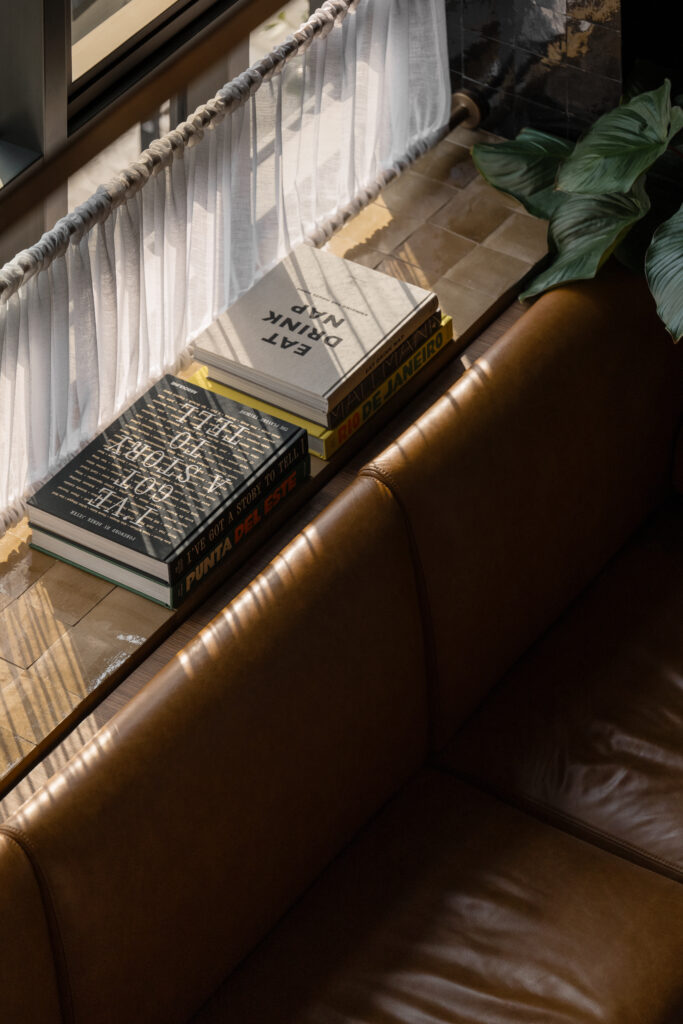
If spectacle is present, it is never excessive. “The open fire kitchen is the nucleus of Window,” they continue. “The food pass frames the flames, the grill is a stage and diners are the audience.” Yet this theatricality is tempered by an equally rigorous commitment to intimacy. “We wanted guests to feel at home,” they say, describing a space where proximity encourages “impromptu conversations” and where acoustics are controlled to “reduce reverberation and maximise sound quality.”
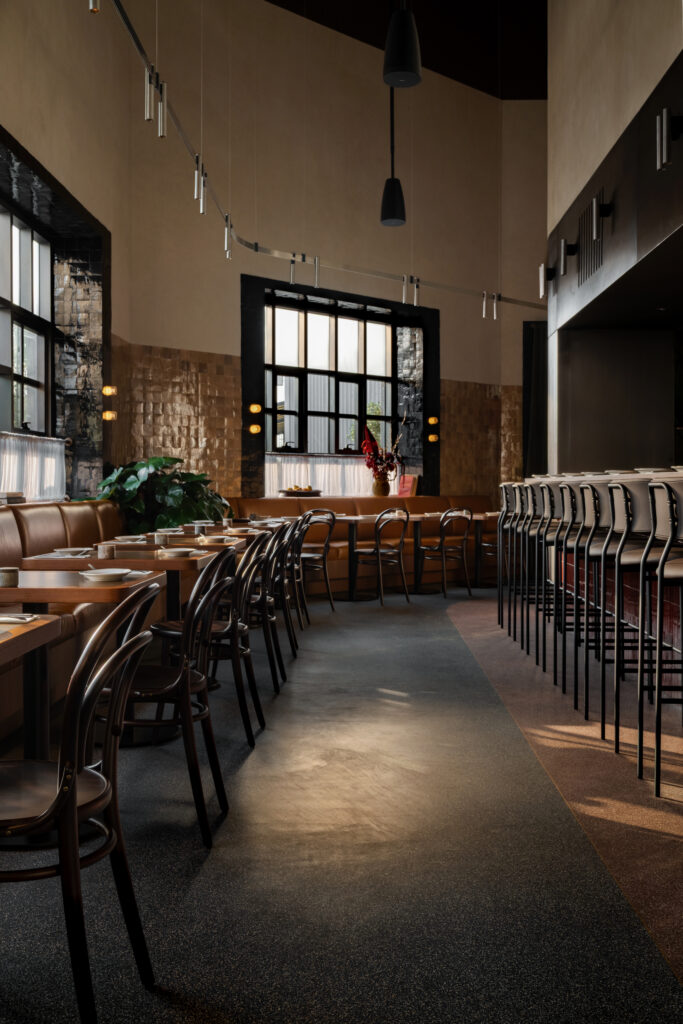
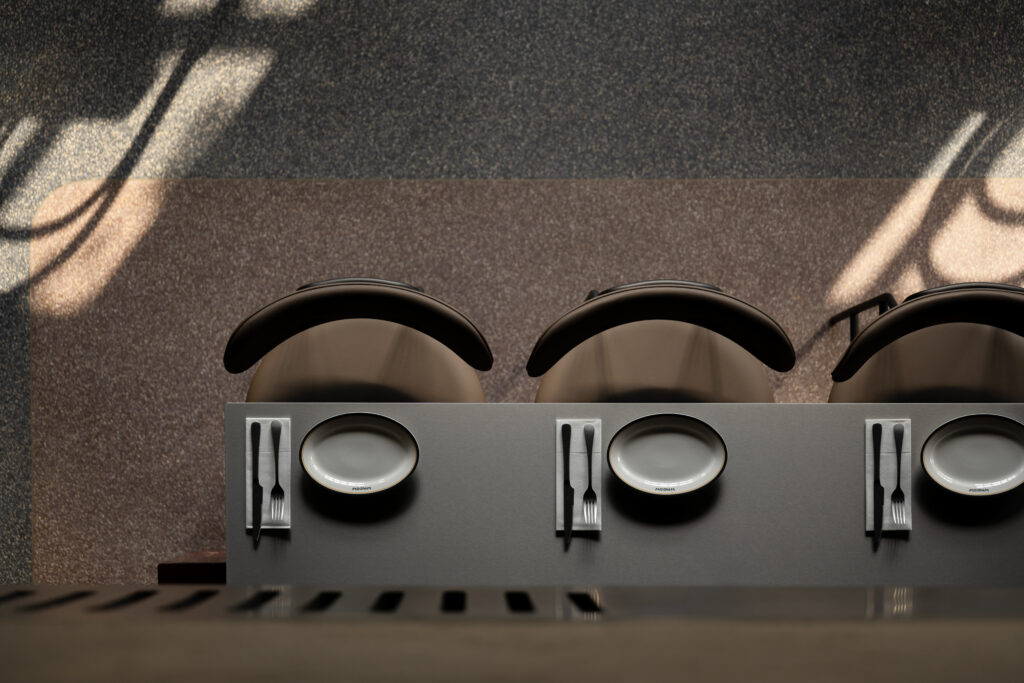
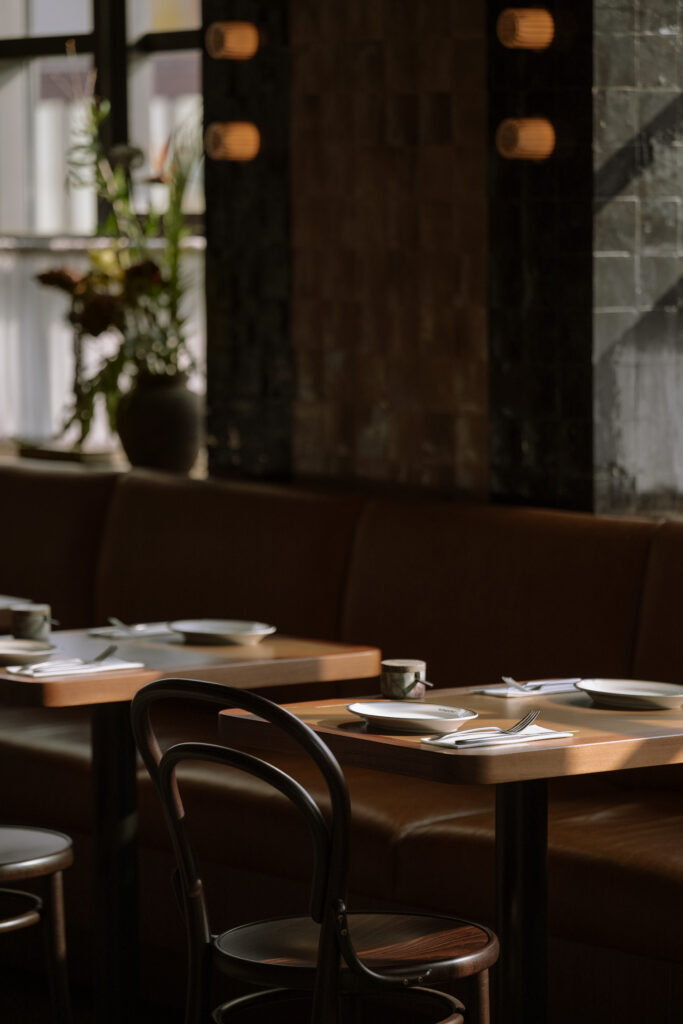
Light, however, remains the project’s most ephemeral gesture. “I over obsess about how natural light enters the space during the daytime,” they admit, tracing its movement across surfaces, before observing how, by evening, “the lighting on the inside spills to the streetscape on the outside, almost returning the favour.”
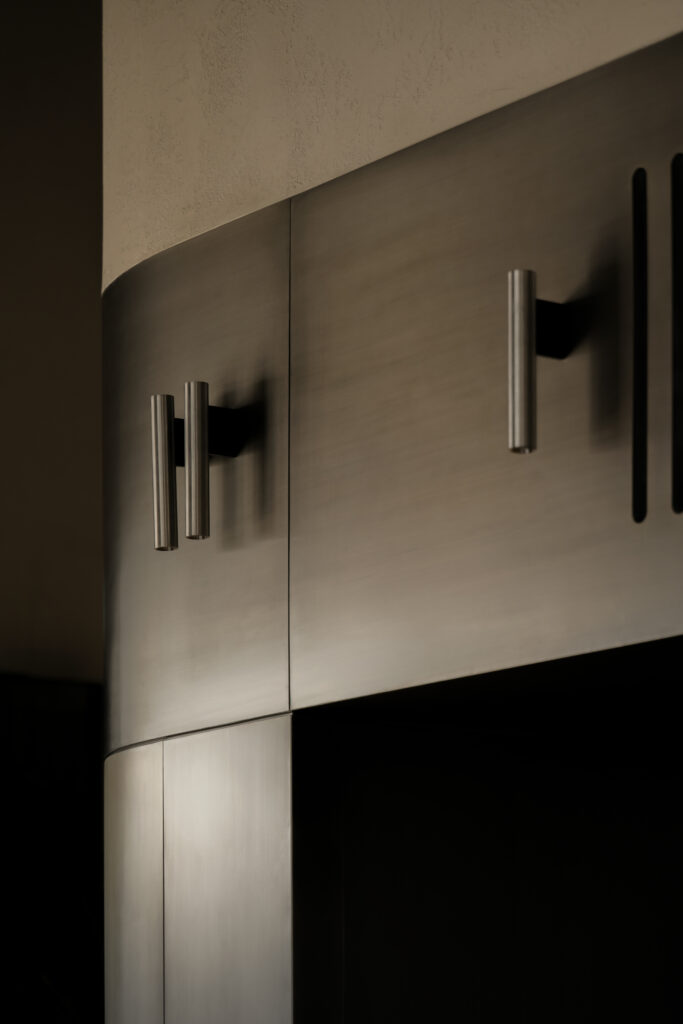
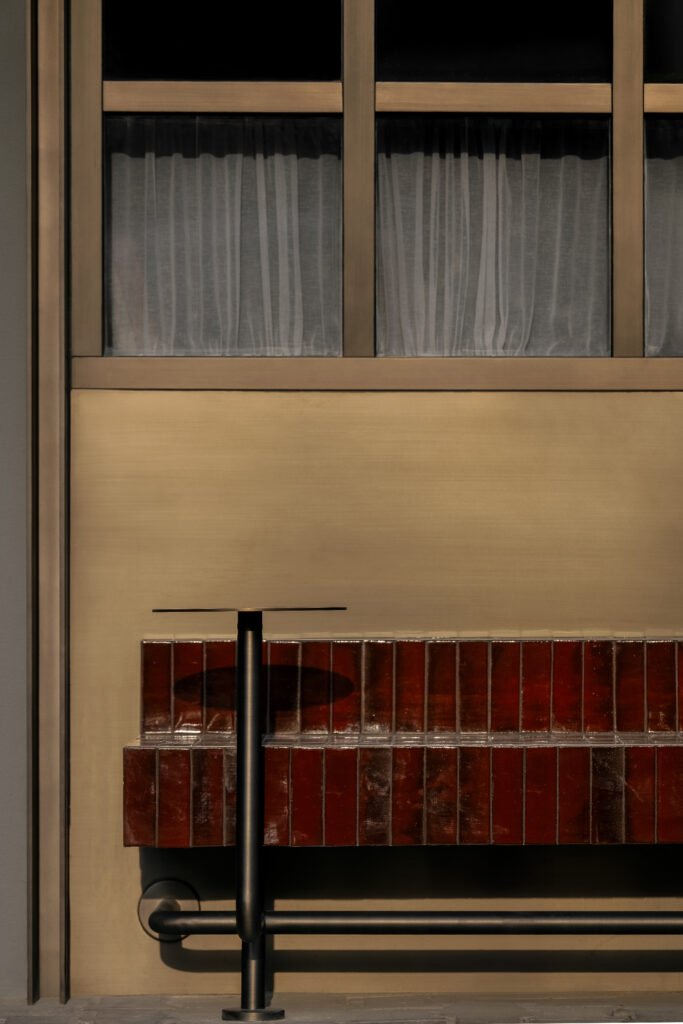
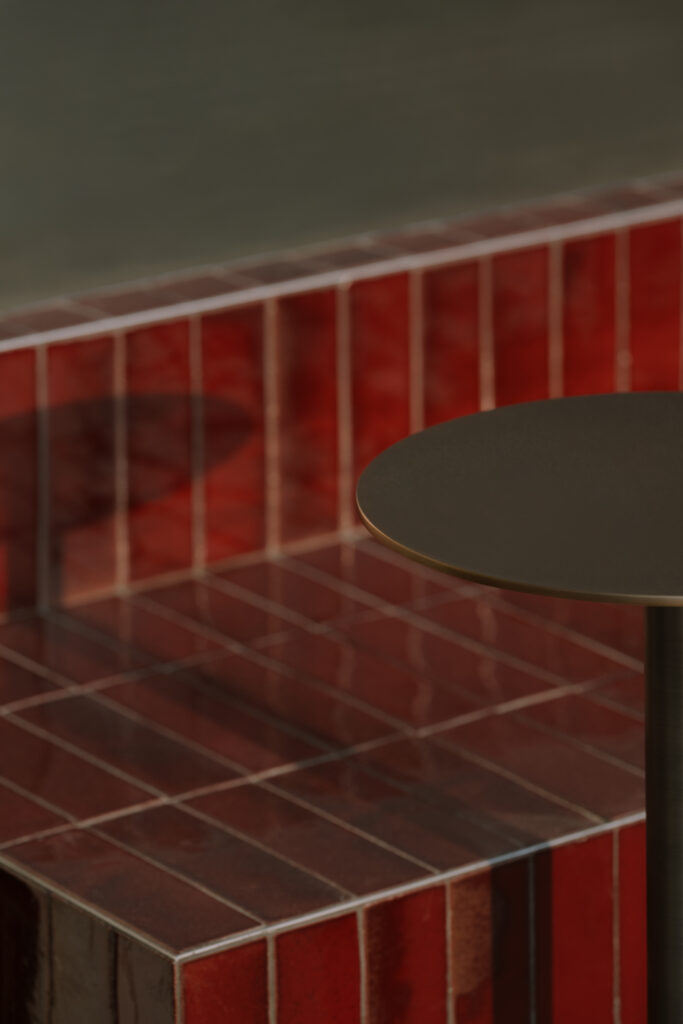
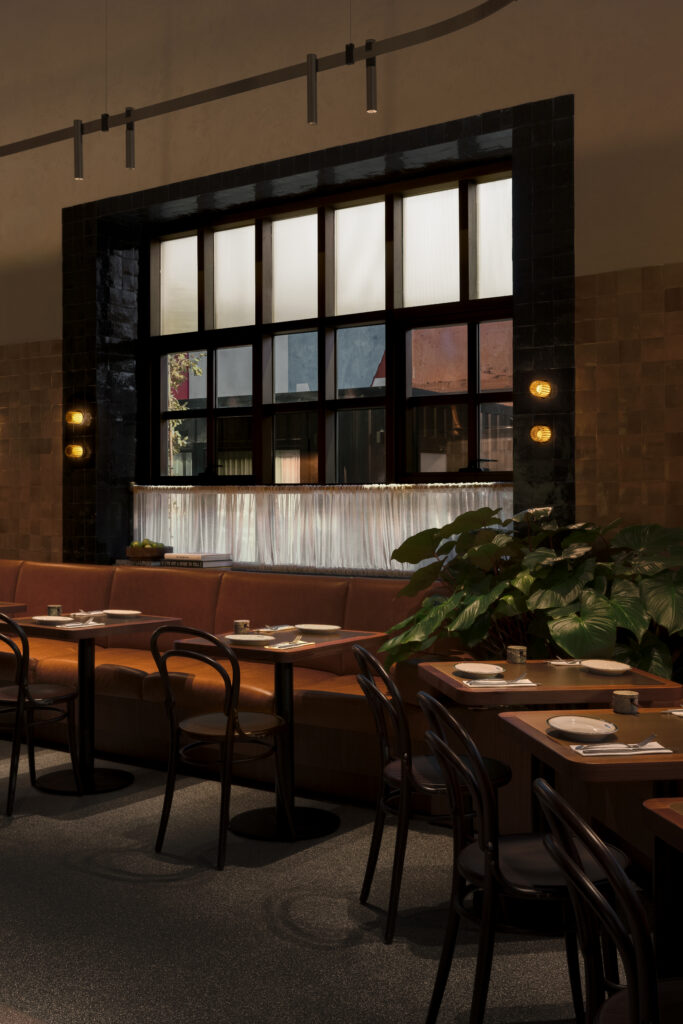
In this oscillation between interior and exterior, spectacle and restraint, WINDOW resists fixed definition. “The important thing is not to sway in one direction more than the other,” they reflect. What emerges instead is an architecture of balance, precise, atmospheric, and enduring.