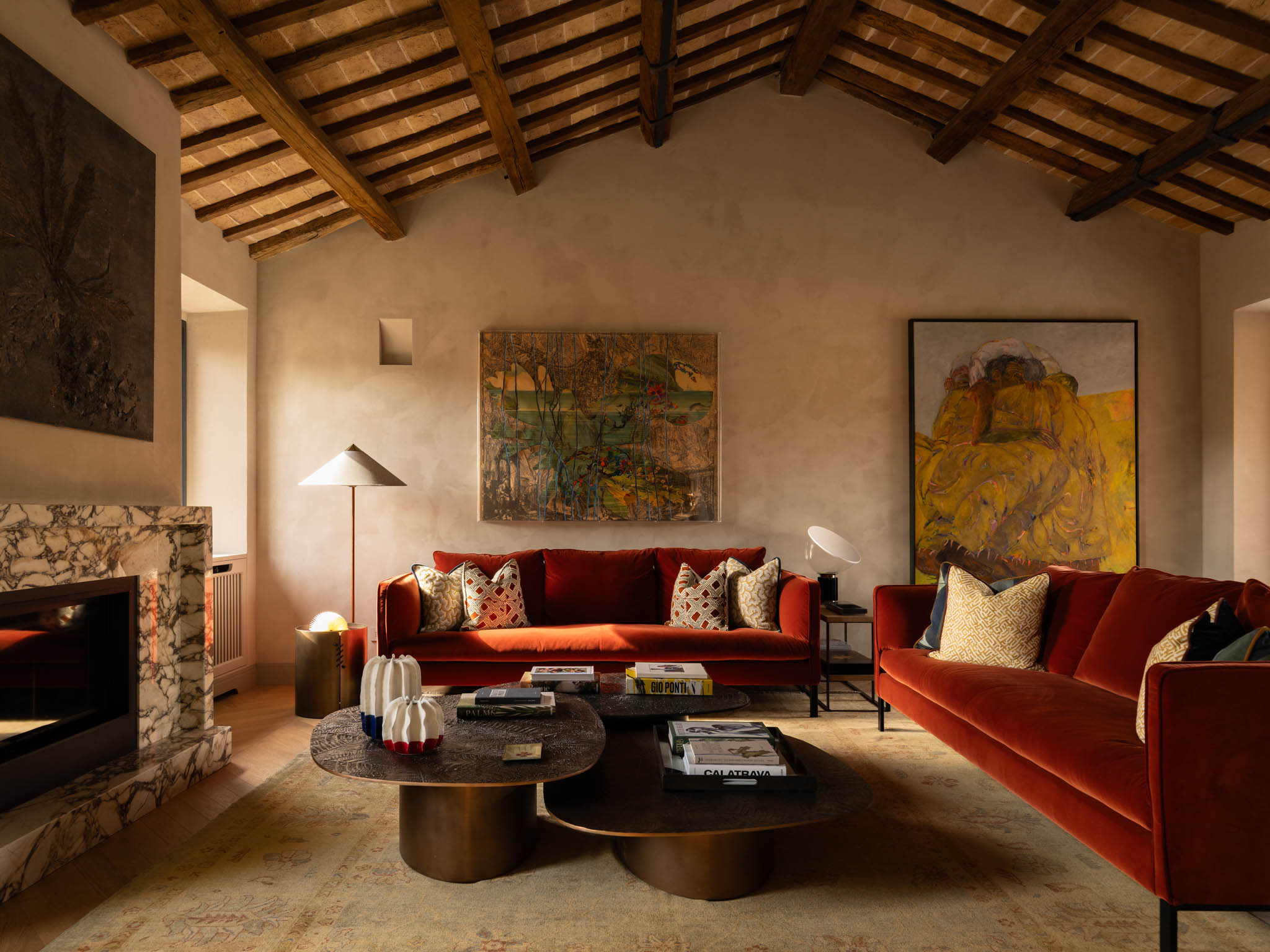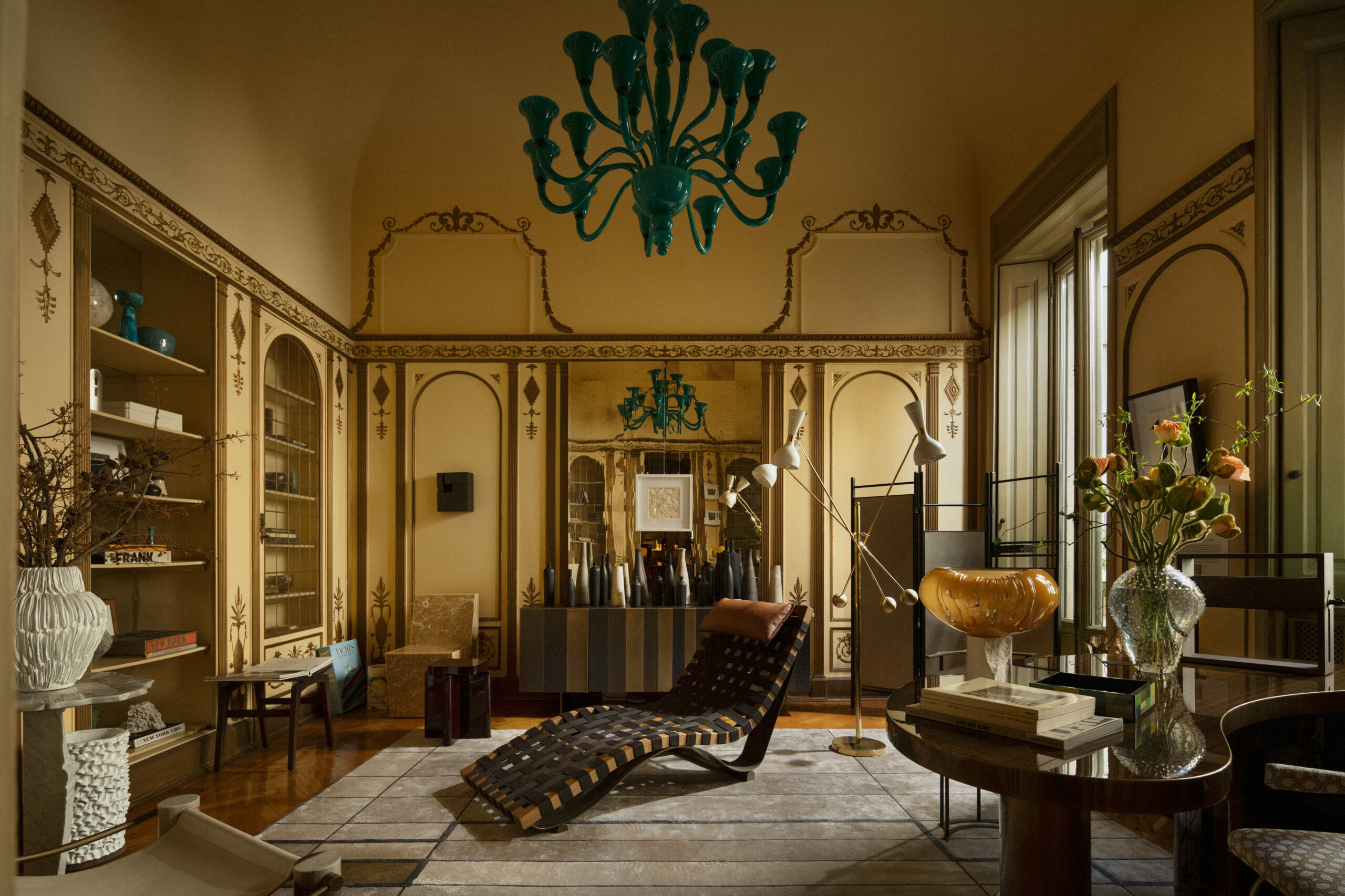
Craft, when understood beyond technique, operates as a form of cultural authorship. It is not simply the act of making, but the transmission of knowledge across generations, embedded in material, gesture, and time. Within this framework, Artemest introduces Champions of Craft 2026, not as a program, but as a formal recognition of those who sustain and reinterpret this lineage within contemporary design.
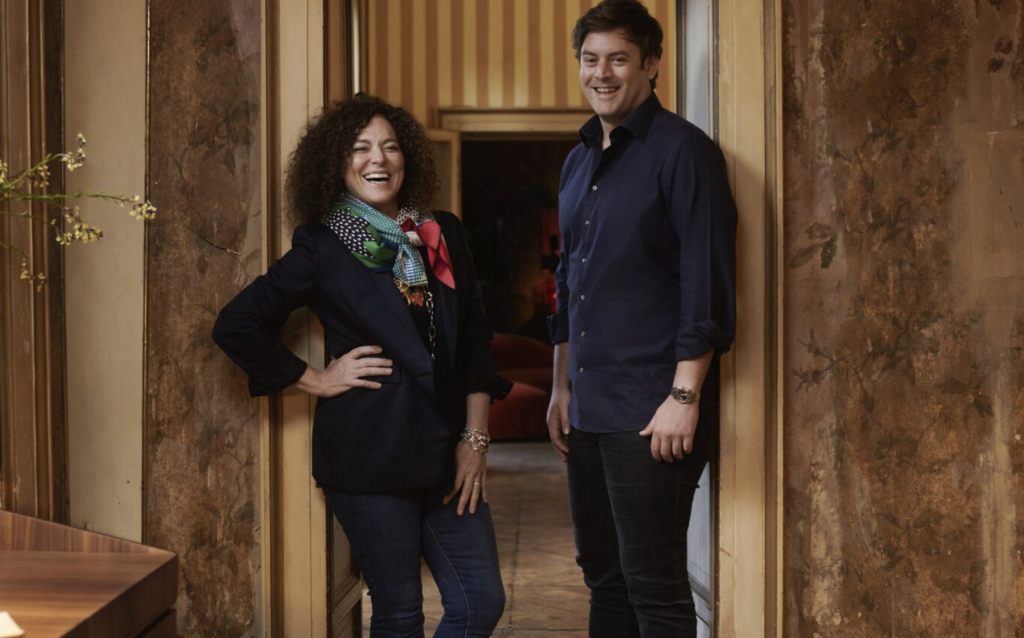
Founded by Marco Credendino and Ippolita Rostagno, Artemest has long positioned itself at the intersection of heritage and global design culture. Through its network of over one thousand artisans across Italy’s historic manufacturing districts, it has constructed a living archive in which objects are understood not as commodities, but as carriers of cultural memory. Its role has been less about distribution than mediation, establishing a dialogue between the intelligence of the hand and the expectations of a contemporary, international audience.


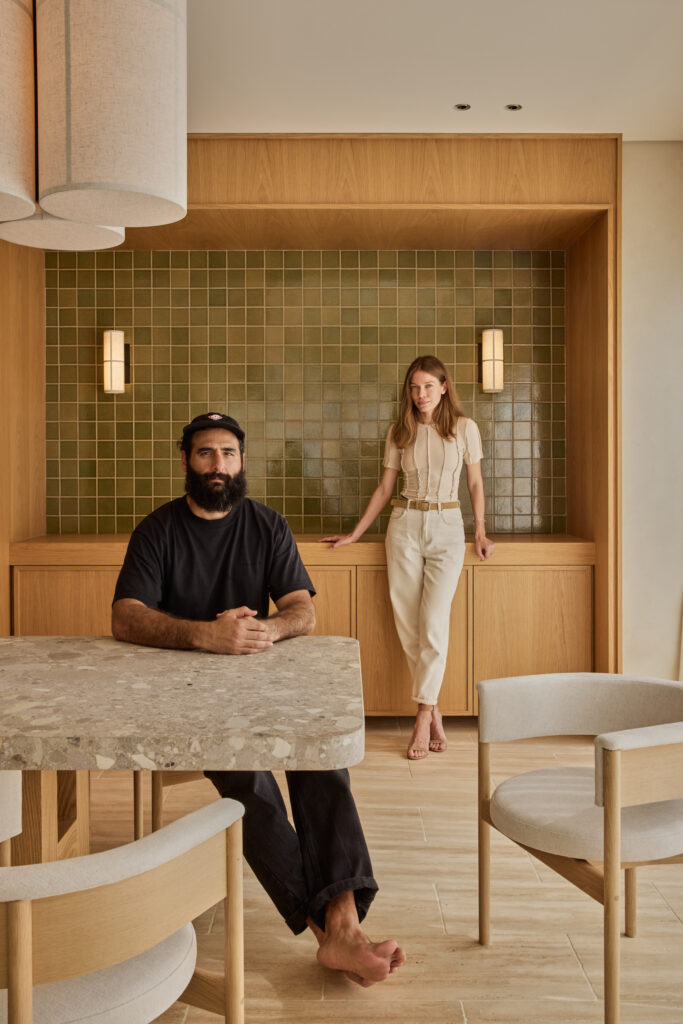

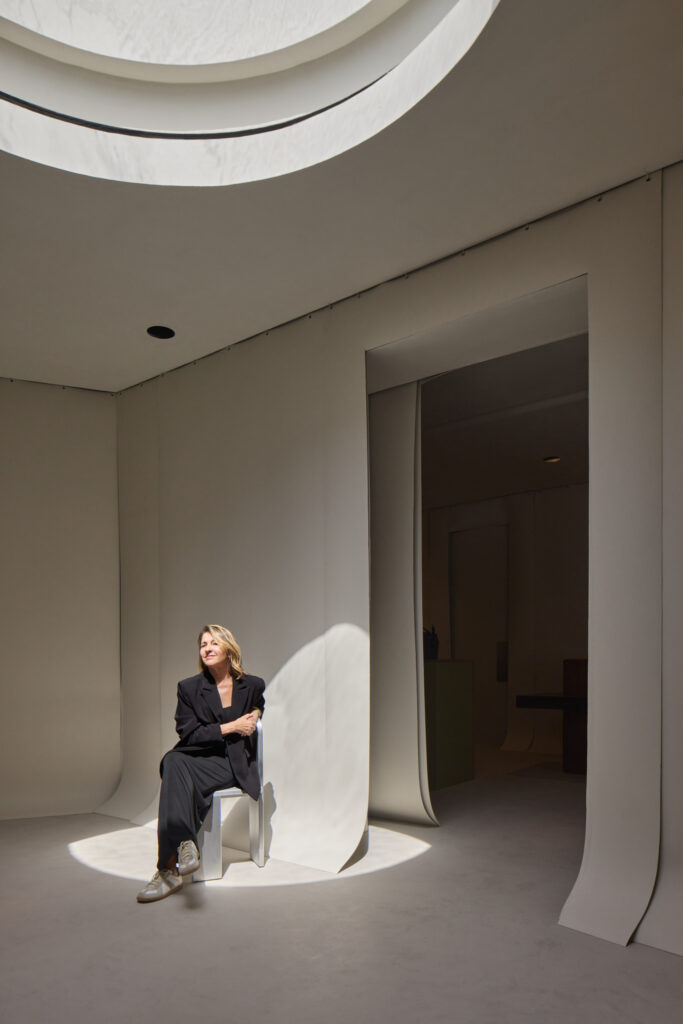
Champions of Craft 2026 crystallises this position through the recognition of a distinguished group of architects and interior designers whose practices demonstrate an enduring commitment to craftsmanship. Articulated through curated storytelling, digital features, and filmed conversations, the distinction offers insight into how these designers engage with artisans not as executors, but as collaborators in the construction of meaning.
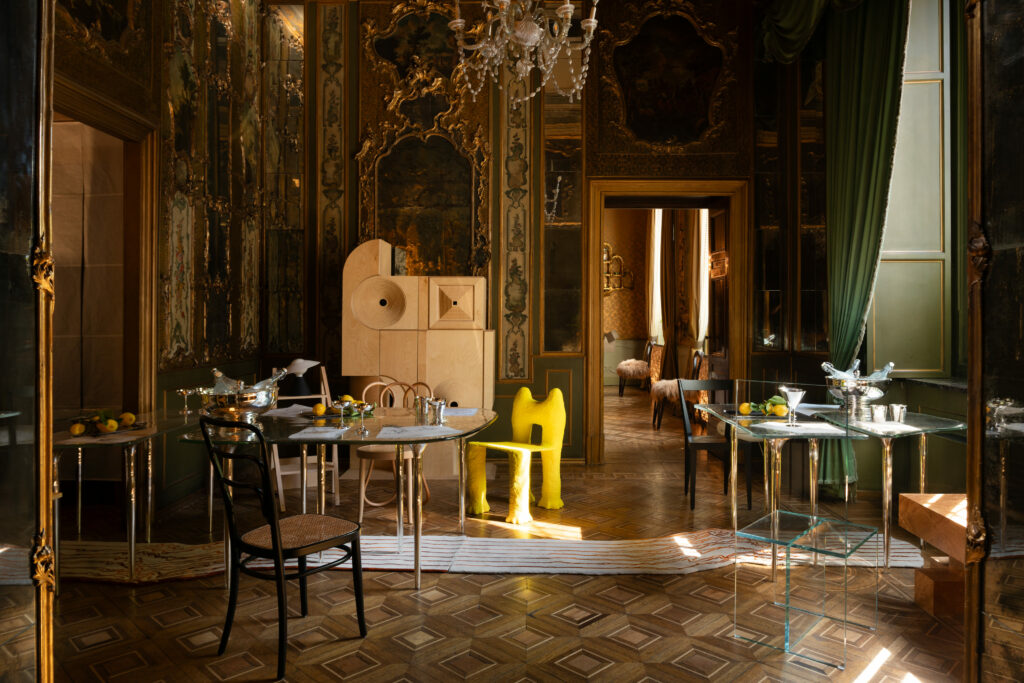
“Craft is one of the most powerful expressions of culture,” notes Credendino. “With Champions of Craft, we honour a global community of designers who share our belief in the enduring value of handmade beauty.”
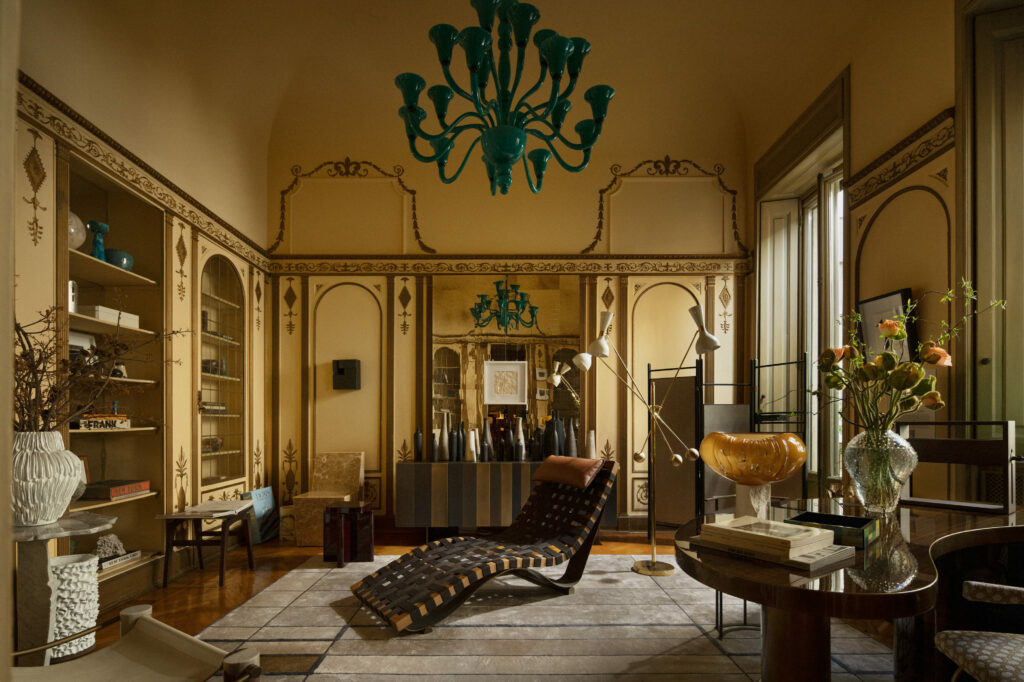
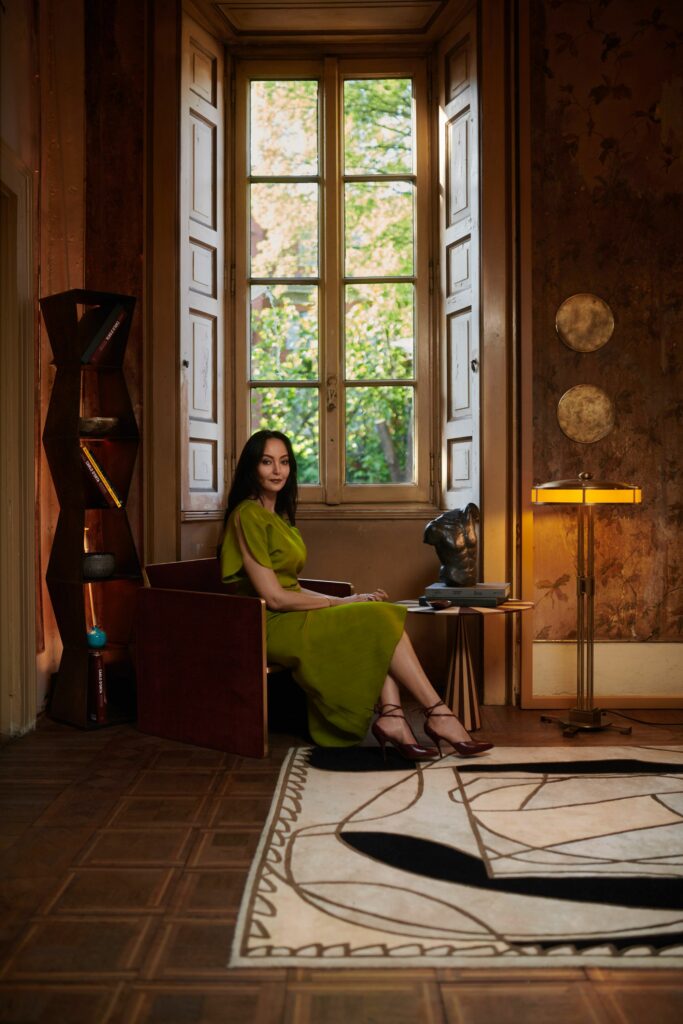
The 2026 honourees define a precise geography of influence within contemporary design. Among them, 1508 London, Champalimaud Design, Charlap Hyman & Herrero, Claudia Afshar Design, GACHOT Studio, Hines Collective, Les Ensembliers, March and White Design, Masoomeh Hilal Design, Meyer Davis, Nebras Aljoaib Creative Studio, Nicole Fuller Interiors, Pembrooke & Ives, Robert Rionda Interiors, Rockwell Group, Róisín Lafferty, Rose Ink Workshop, Sasha Adler Design, Simone Haag, Styled Habitat, T.ZED Architects, Tamara Feldman Design, Tomèf Design, Urjowan Alsharif Interiors, VSHD Design, Wecselman Design, and Winch Design.
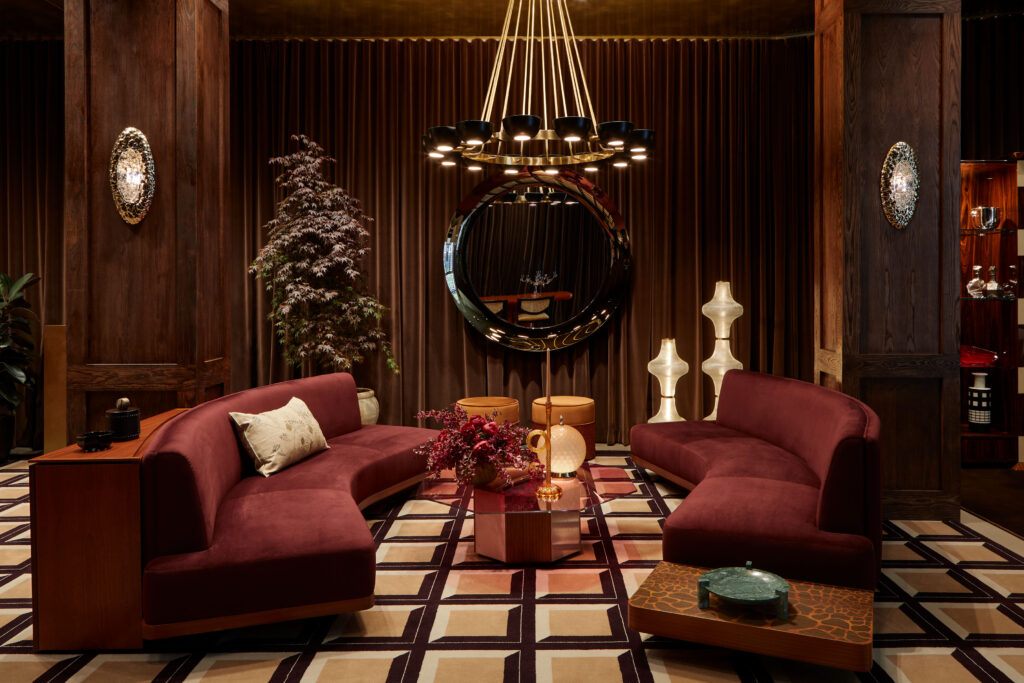
Their work does not converge stylistically. Instead, it reveals a shared intellectual position, one that understands craftsmanship as both method and responsibility. Across geographies, these designers engage with tradition not as a fixed reference, but as a material to be continuously interpreted, extending its relevance within a contemporary context.
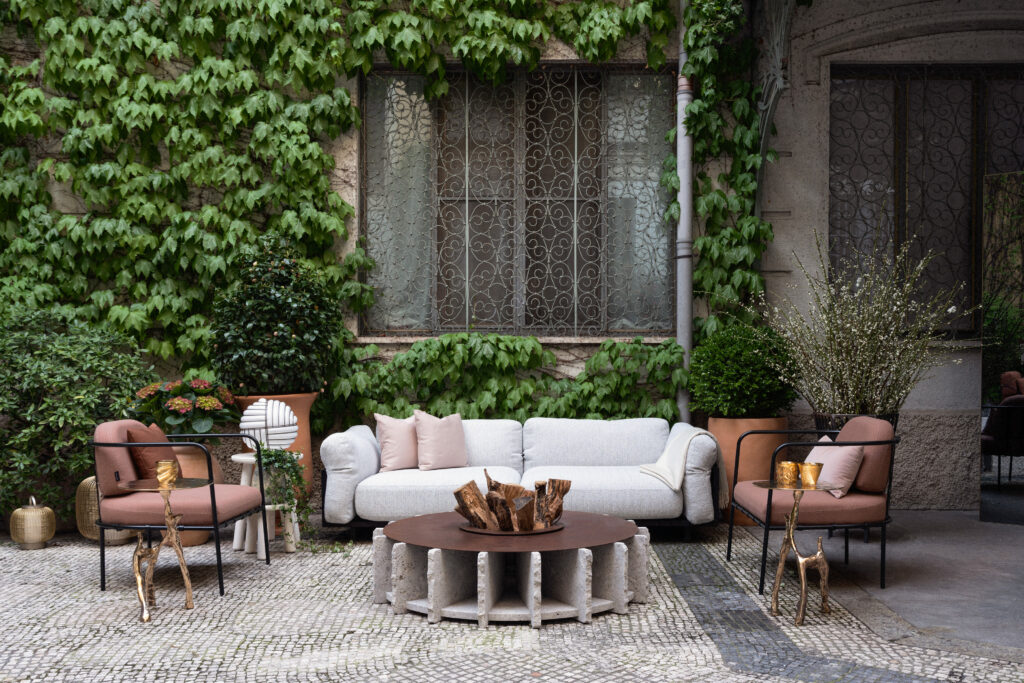
In recognising these practices, Artemest does not simply celebrate craftsmanship. It defines it as a critical condition of design today, where the value of an object lies not only in its form, but in the cultural continuity it carries forward.