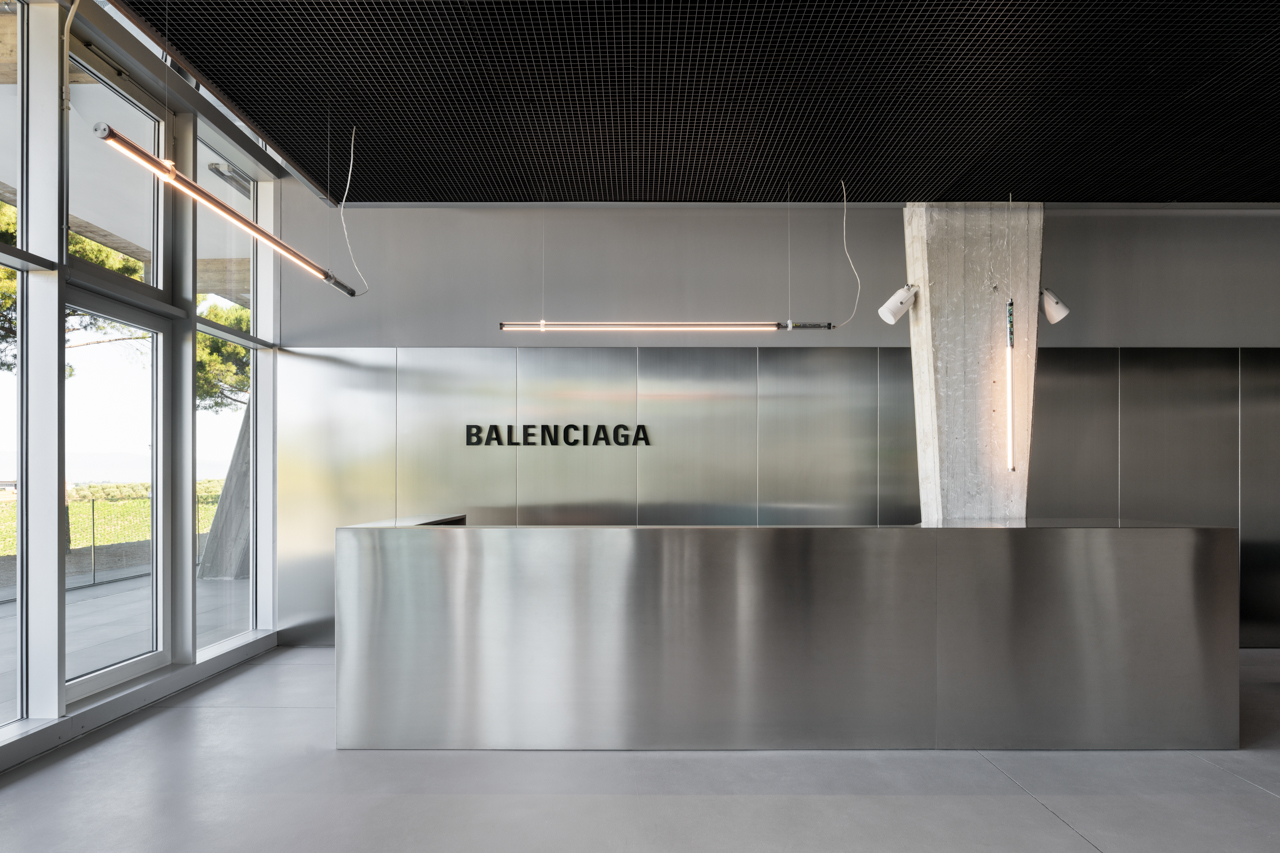
Photography by Marco Cappelletti and Giuseppe Miotto, Marco Cappelletti Studio
In the Tuscan town of Cerreto Guidi—long associated with Italy’s quiet mastery of making—Balenciaga has inaugurated The Plant, an 8,000-square-metre production site that repositions manufacturing not as a hidden backstage, but as a central cultural act. More than a factory, The Plant functions as an architectural and social ecosystem, where craft, training, sustainability, and design converge.
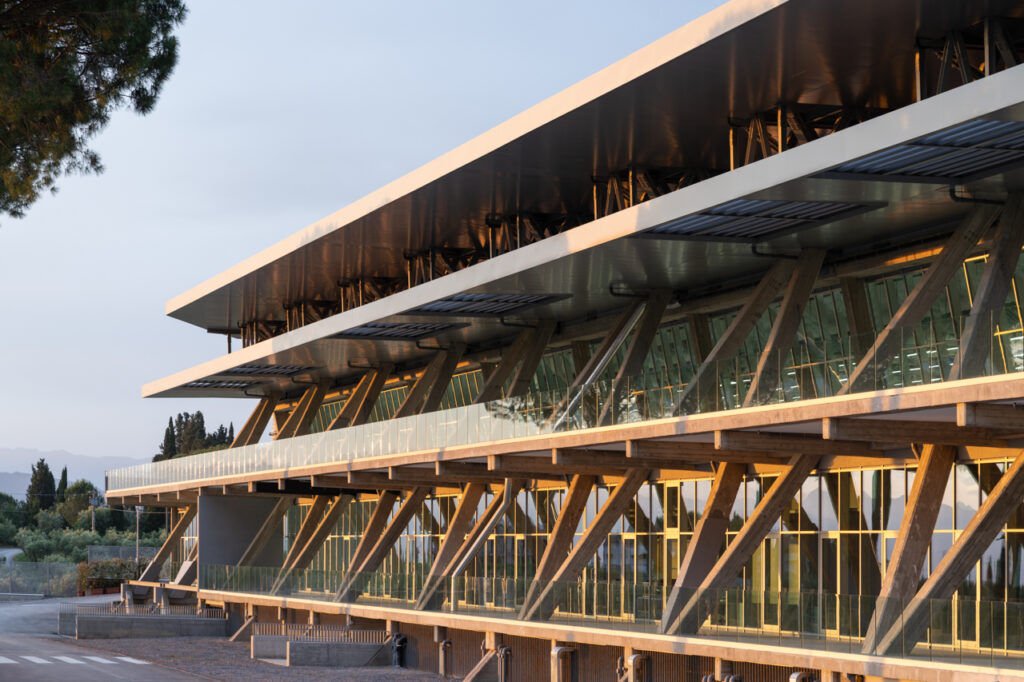
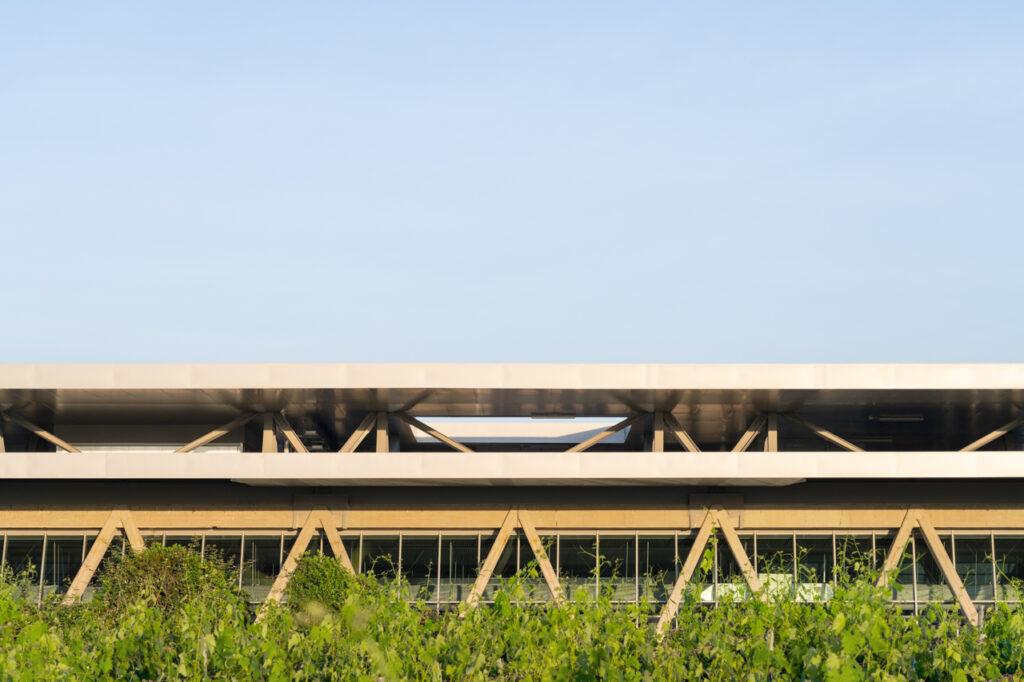
Housed within a formerly abandoned industrial structure, the building has been reimagined according to Balenciaga’s Raw Architecture philosophy. The renovation retains the site’s industrial character—exposed structures, material honesty, and spatial clarity—while introducing a contemporary architectural language developed in close dialogue with local businesses.The result is an environment that feels purposeful rather than polished: a working architecture shaped by process, movement, and collaboration.
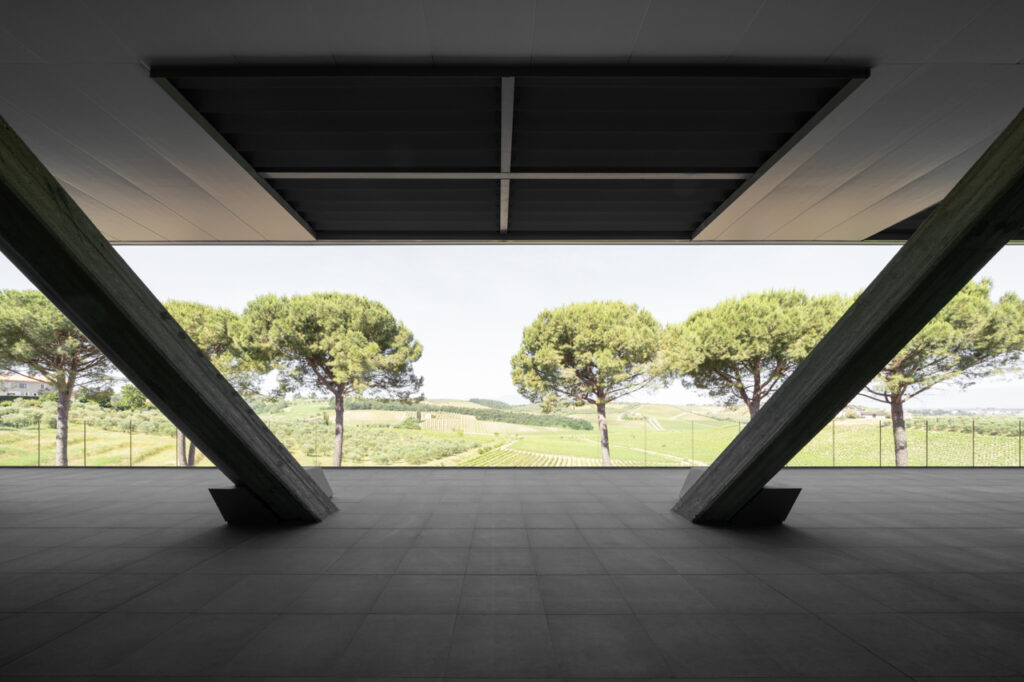
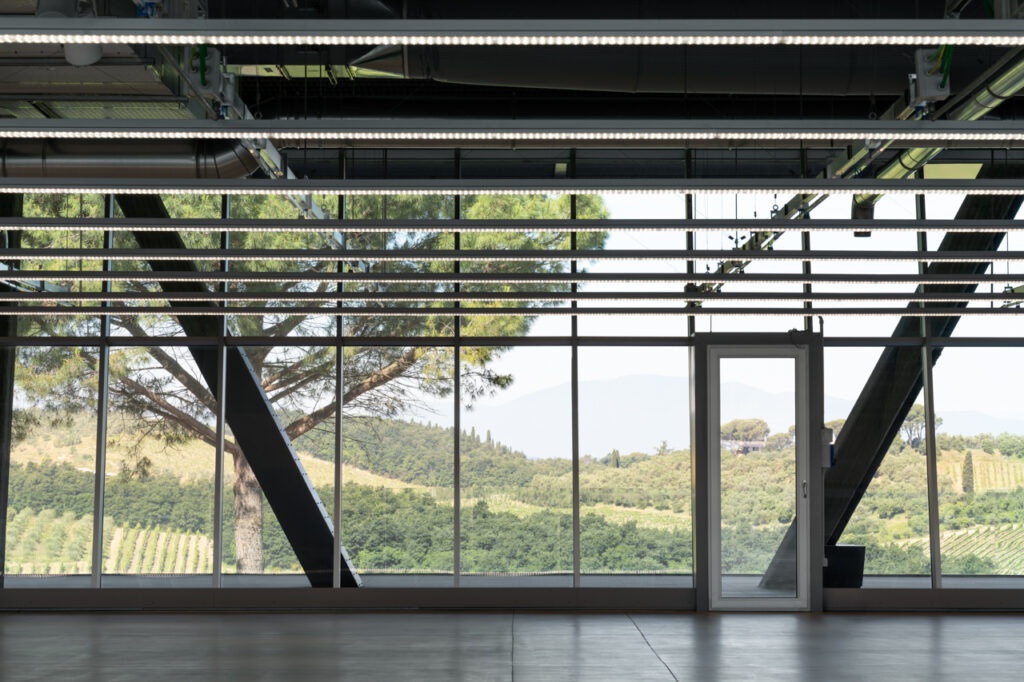
Inside, spatial planning becomes a tool for transmission. The layout prioritises proximity between people and practices, allowing creative and technical teams to respond fluidly to the demands of luxury leather production. This is where Balenciaga’s heritage bag lines, including Le City and Rodeo, are produced—objects that rely not only on design, but on a continuity of gesture, precision, and tacit knowledge.
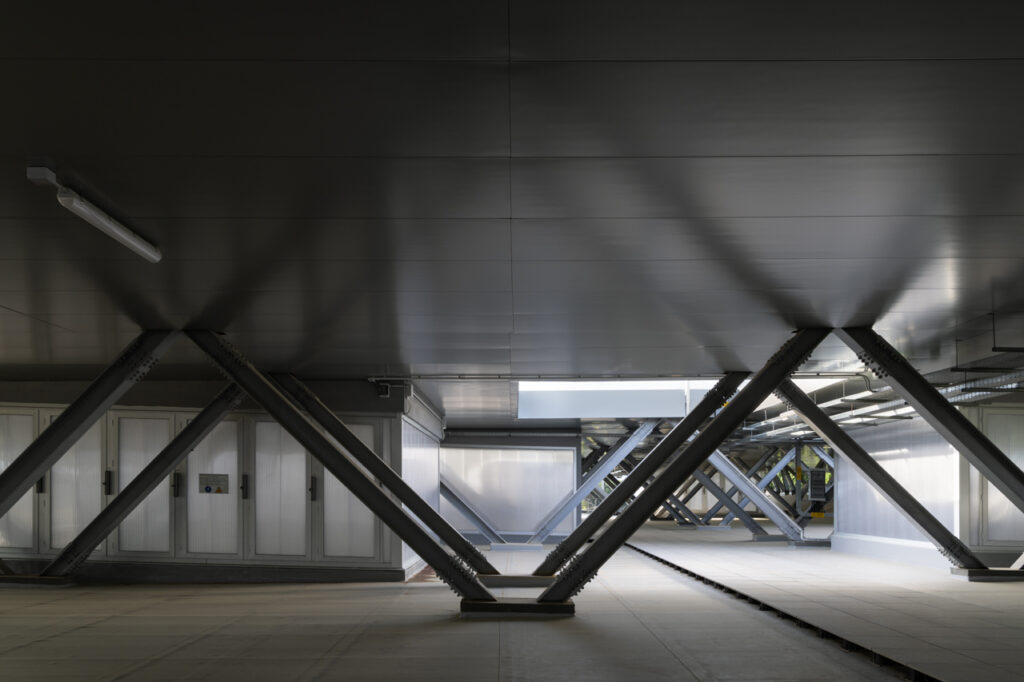
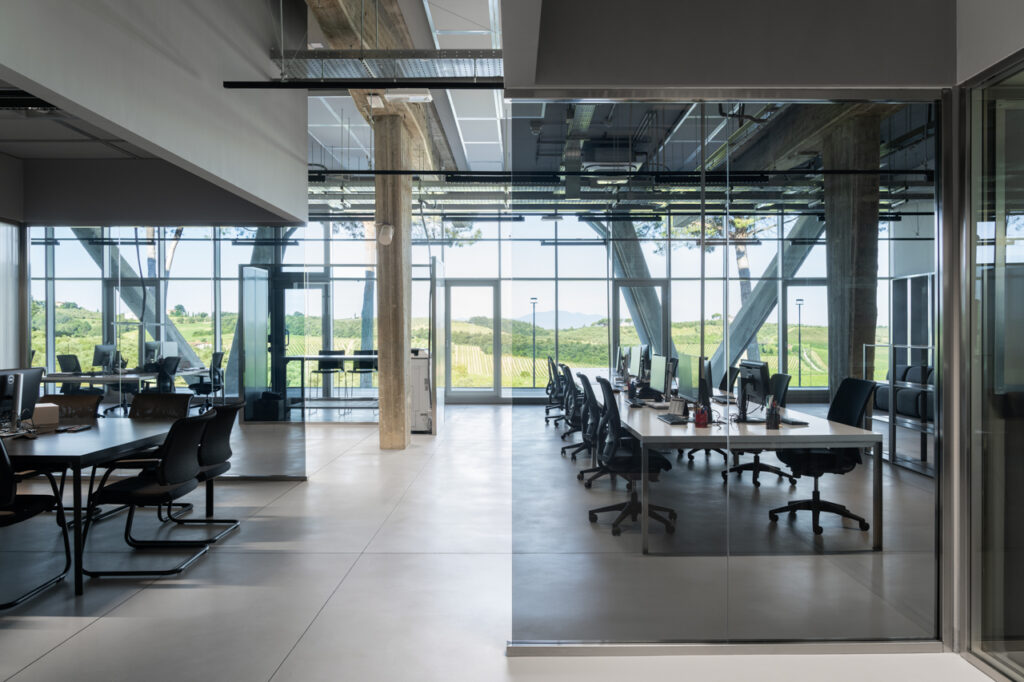
Central to The Plant is its pedagogical ambition. Through a structured apprenticeship programme, emerging artisans are paired with master craftspeople and guided through the Master Bag Maker curriculum, progressing from prototype to finished piece. Learning here is neither rushed nor abstracted; it unfolds through repetition, mentorship, and shared responsibility, ensuring that savoir-faire evolves without dilution.
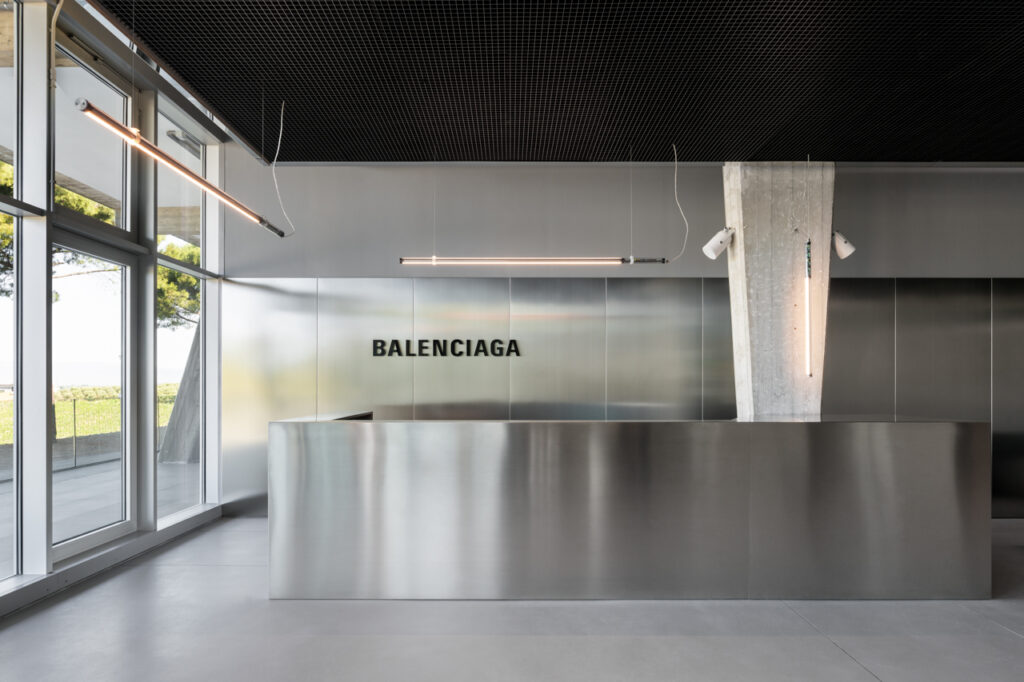
Sustainability is embedded not as an afterthought, but as infrastructure. The building benefits from extensive natural light, a comprehensive waste-management system, and 2,000 square metres of solar panels supplying approximately 20% of its energy needs.
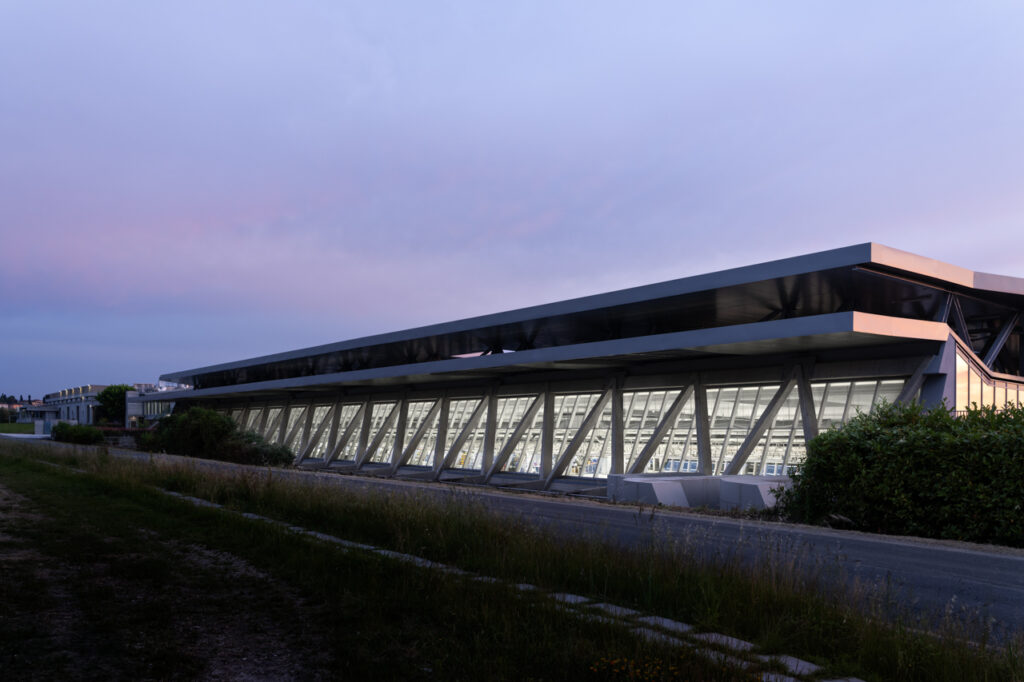
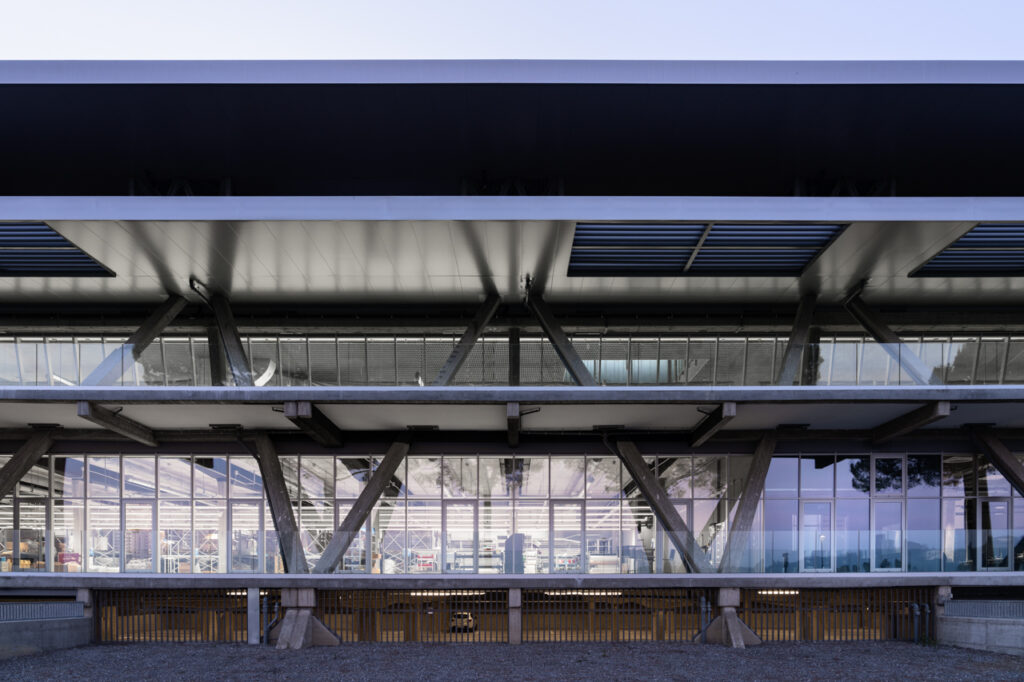
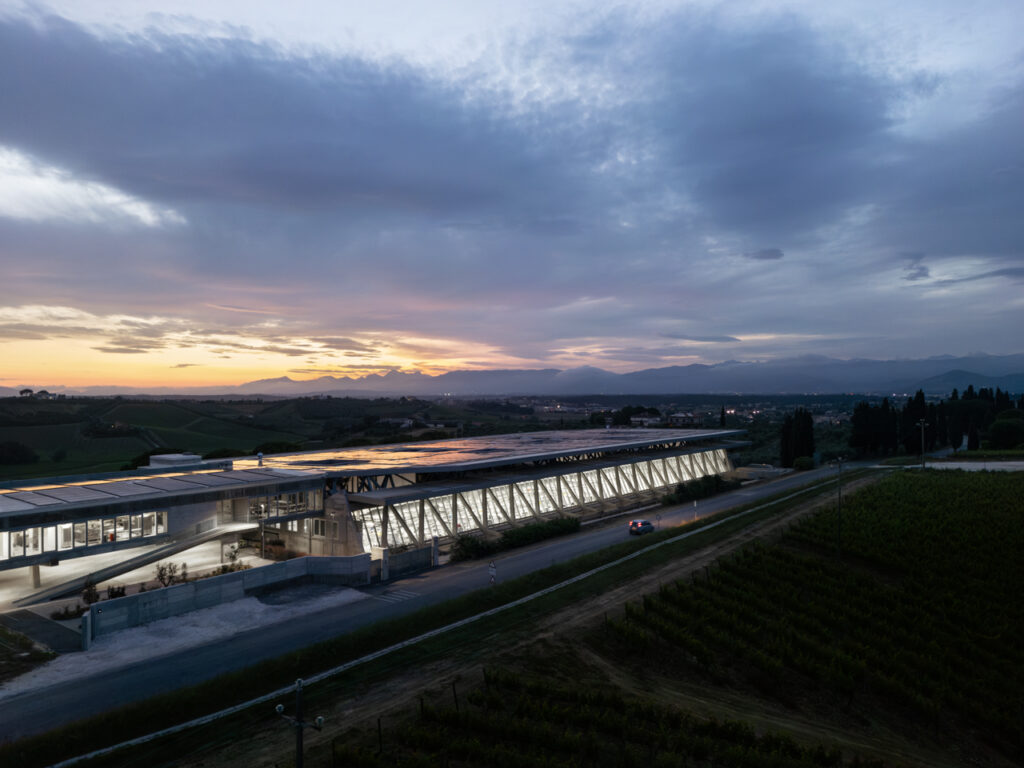
Ultimately, The Plant proposes a contemporary model for luxury production—one rooted in place, community, and long-term thinking. It is a living environment where craft is protected through practice, architecture supports excellence, and manufacturing becomes a visible, dignified expression of cultural value.