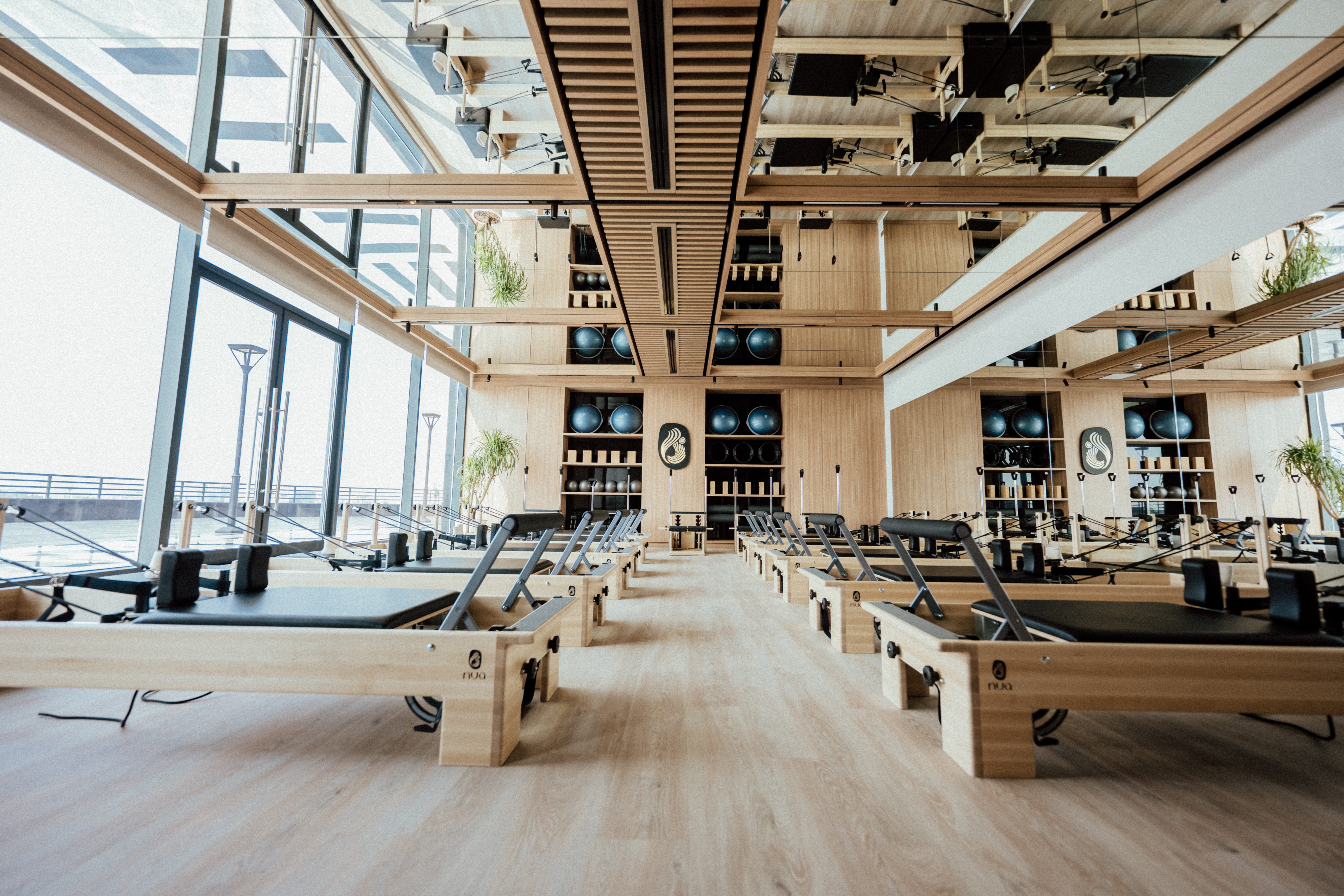
There is a certain calm that greets you the moment you step inside NUA Wellness Hub. Not the kind that feels staged or overly serene, but a quiet confidence—measured, intentional, and deeply considered. In a city as dynamic as Jeddah, NUA feels like a pause button: a place where movement slows down, focus sharpens, and design does much of the talking.
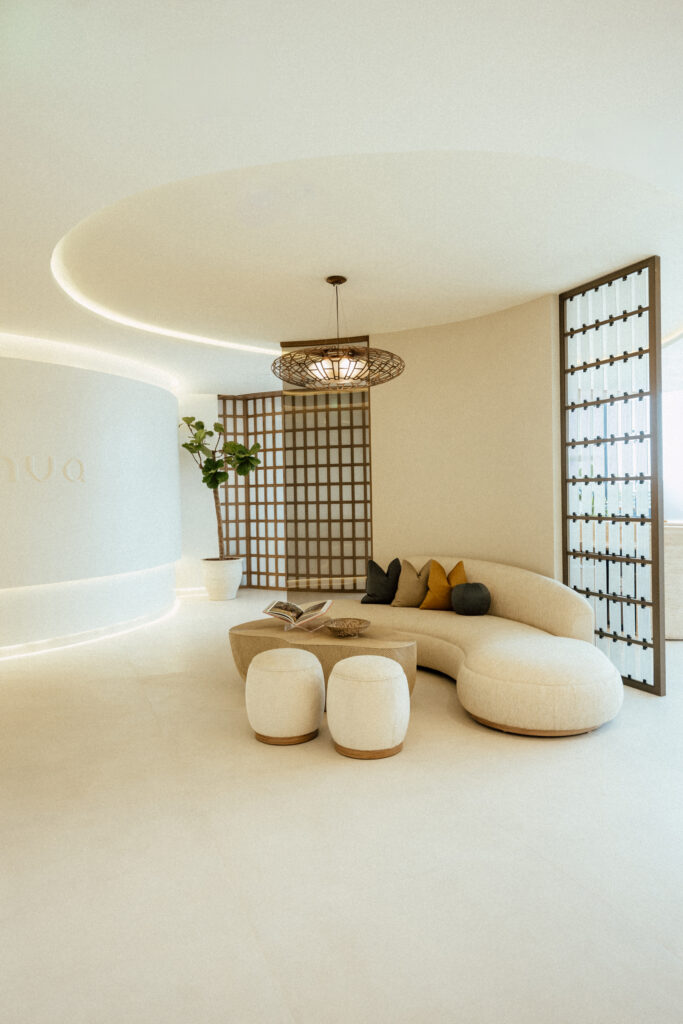
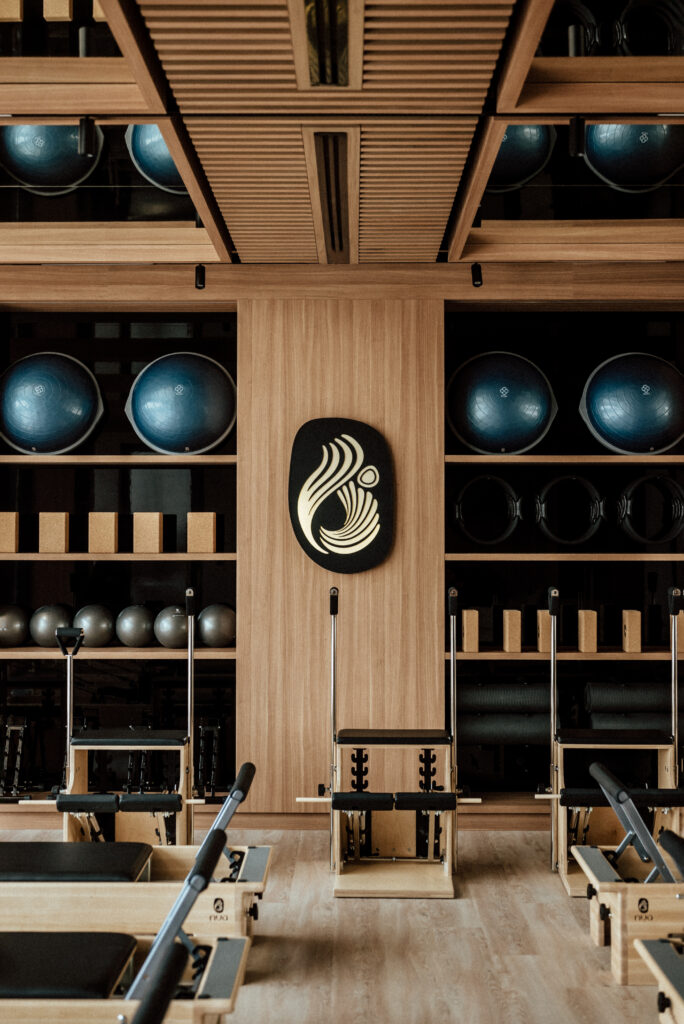
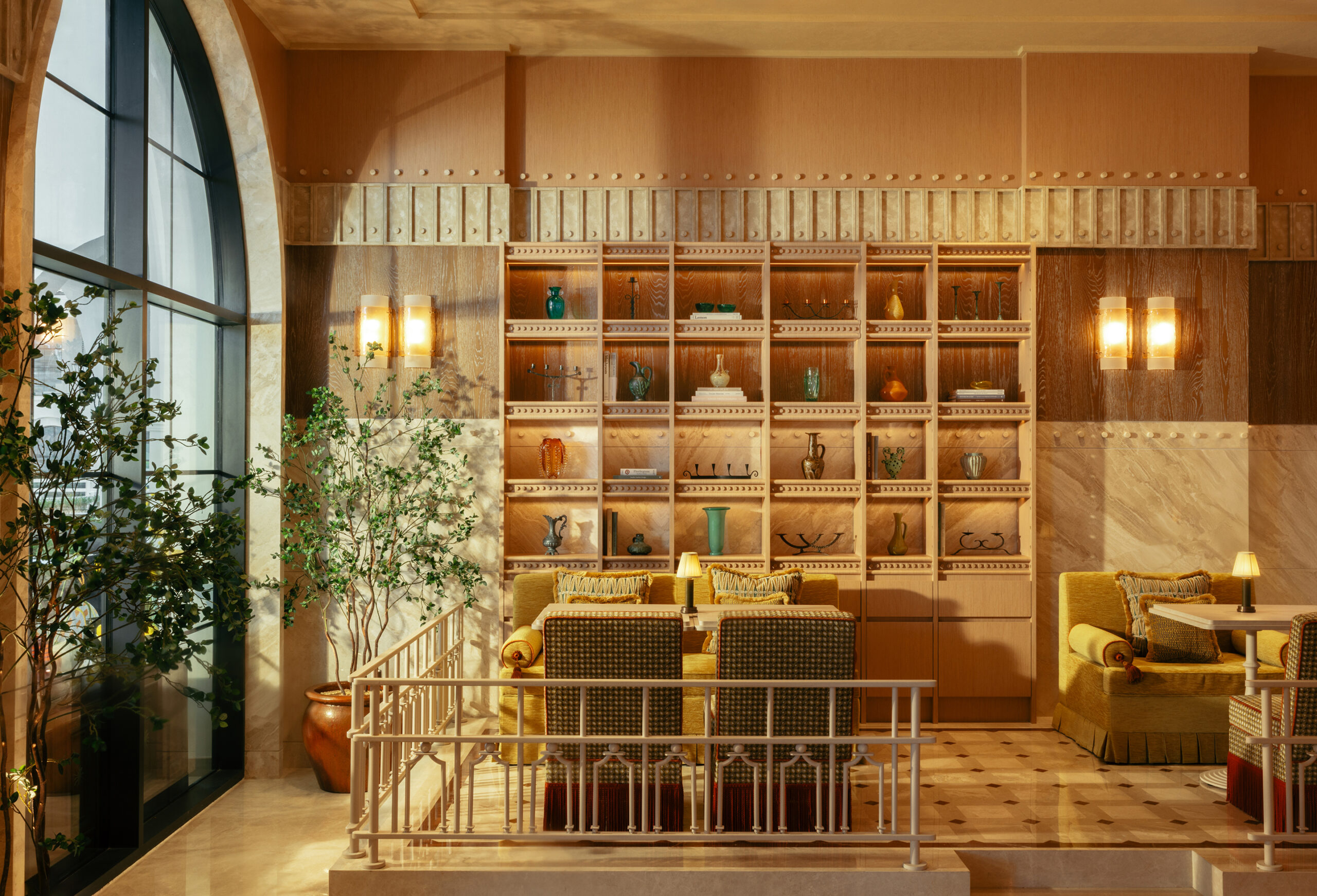
Conceived as more than a Pilates studio, NUA is a spatial experience where architecture and wellbeing move in sync. Inspired by Japanese minimalism, the interiors are stripped back to essentials: generous volumes, high ceilings, and a disciplined use of light and proportion. The result is an environment that feels airy yet grounded—refined, but never cold. Natural materials, soft woods, woven textures, and muted stone tones bring warmth to the space, creating an atmosphere that encourages presence rather than performance.
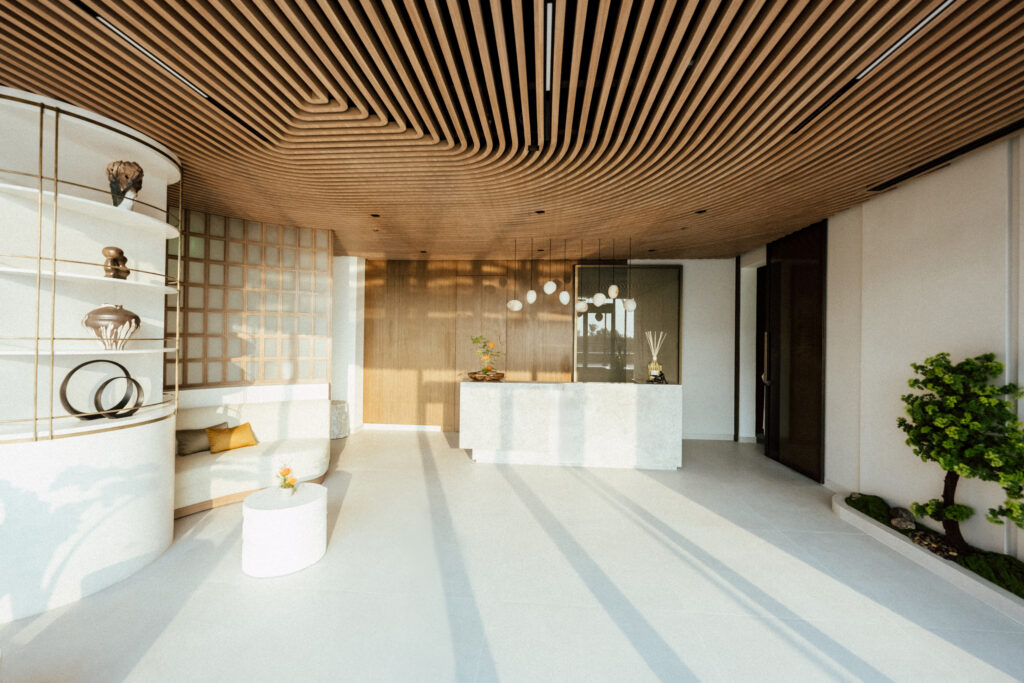
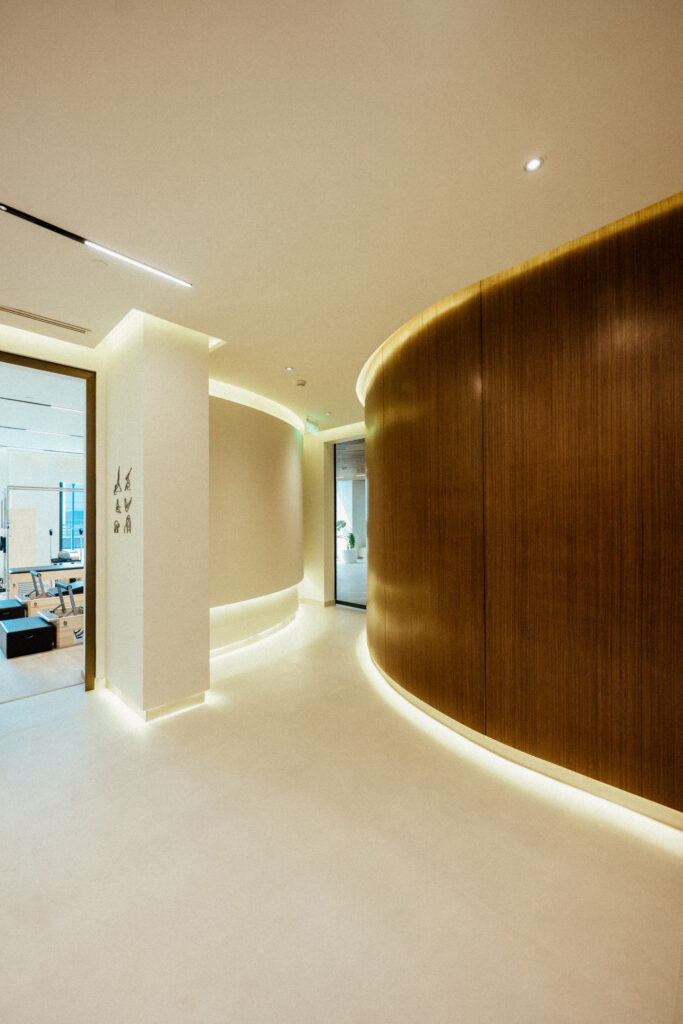
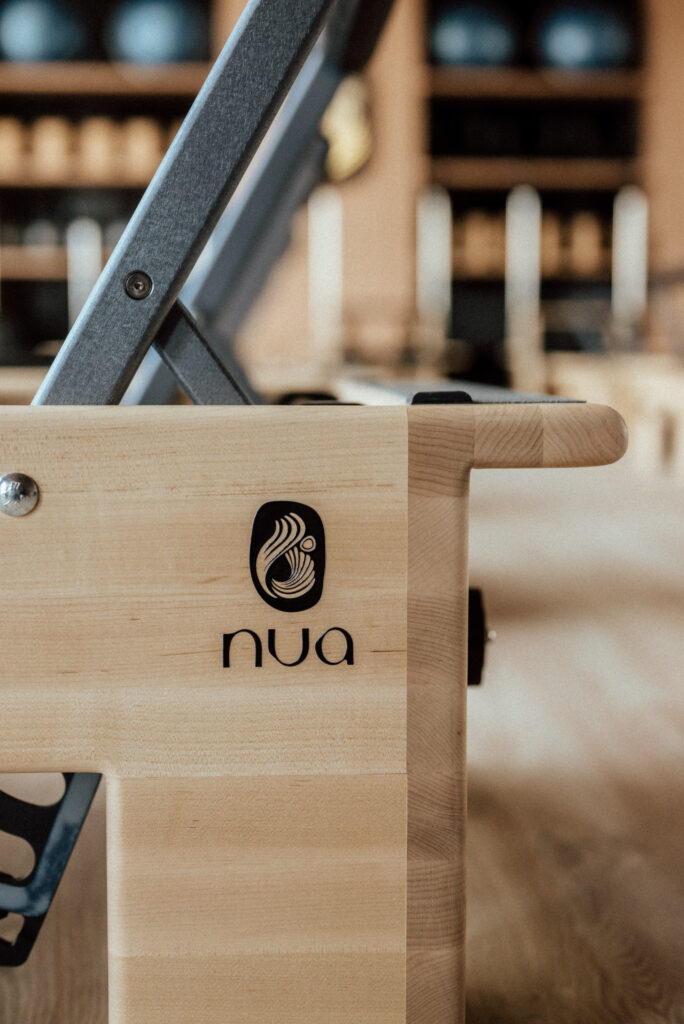
Practice here is rooted in precision-led reformer and mat Pilates, complemented by barre and yoga, but the design subtly shapes how you move long before you step onto the equipment. Circulation flows intuitively, guiding guests through a sequence of calm, clearly defined zones. Privacy is embedded into the layout, with separate male and female sections that unfold as self-contained sanctuaries while remaining part of a cohesive whole.
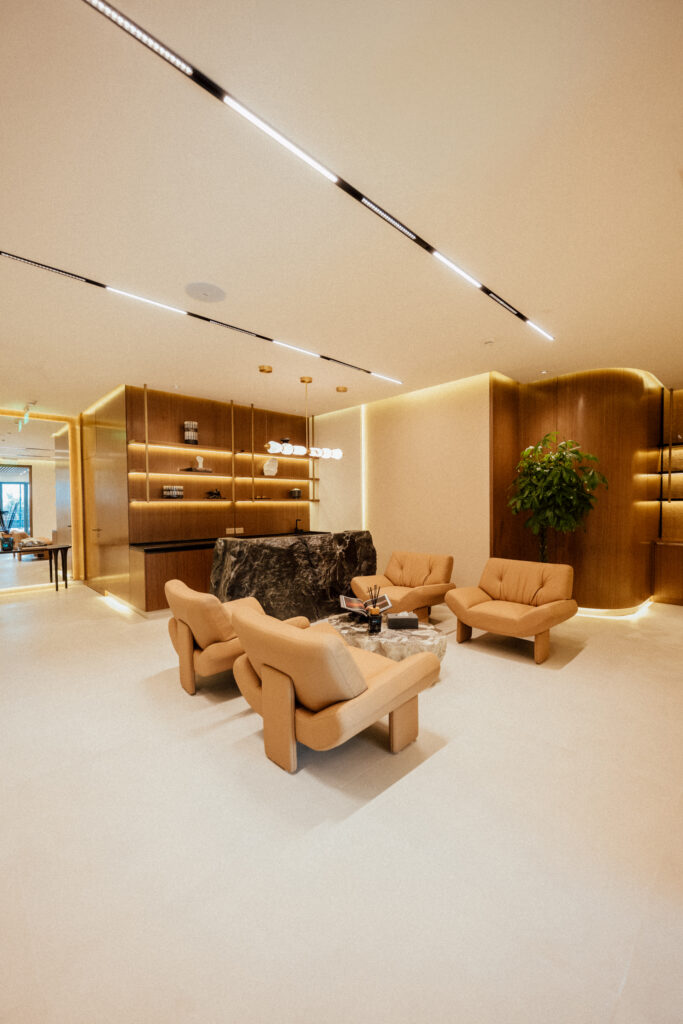
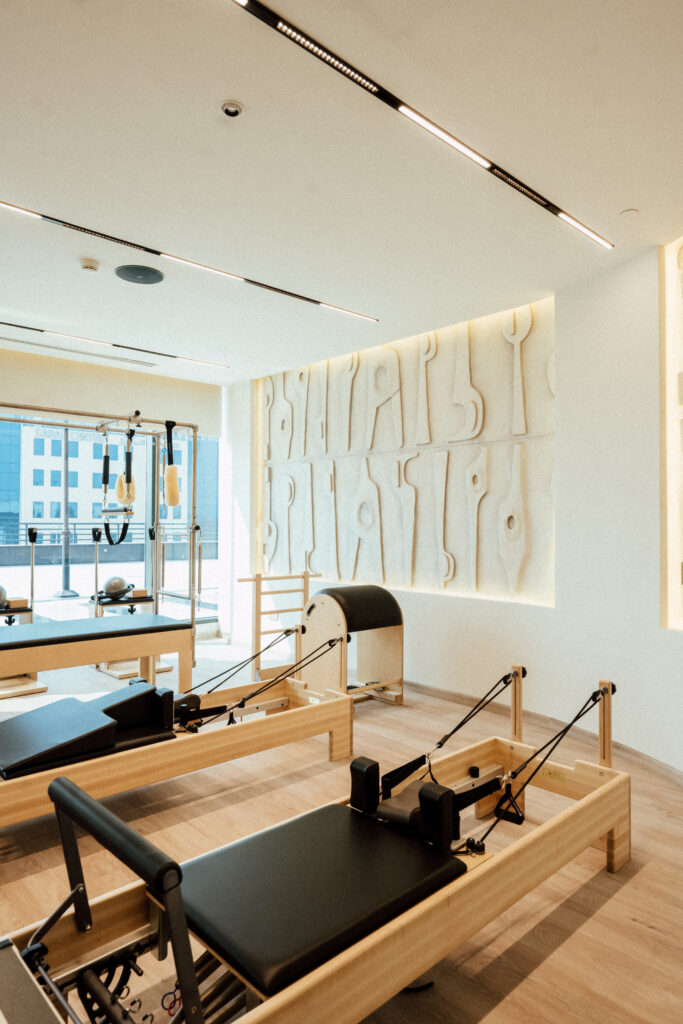
There is also a gentle hospitality woven into the details—a nod to omotenashi, the Japanese philosophy of thoughtful, guest-first care. Nothing shouts for attention; everything feels considered, from the acoustics to the pacing of spaces designed for transition and pause.
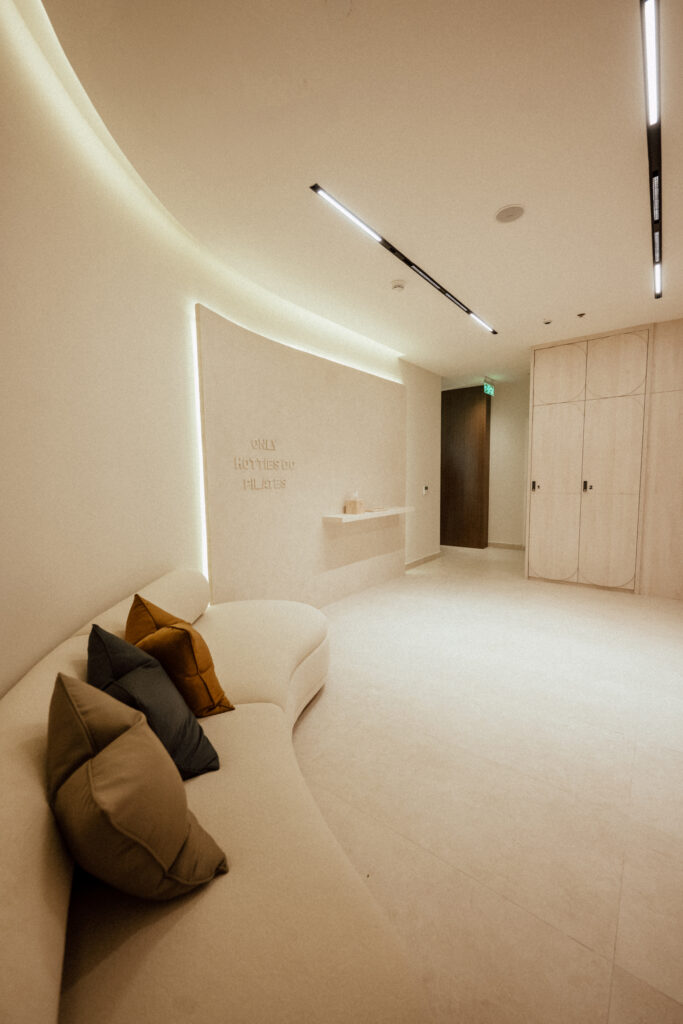
At NUA, wellness is not about extremes. It is about consistency, balance, and design that supports both. In doing so, the studio quietly sets a new benchmark for wellness interiors in Jeddah—where strength is built slowly, calm is architectural, and the space itself becomes part of the practice.