Words by Allegra Salvadori
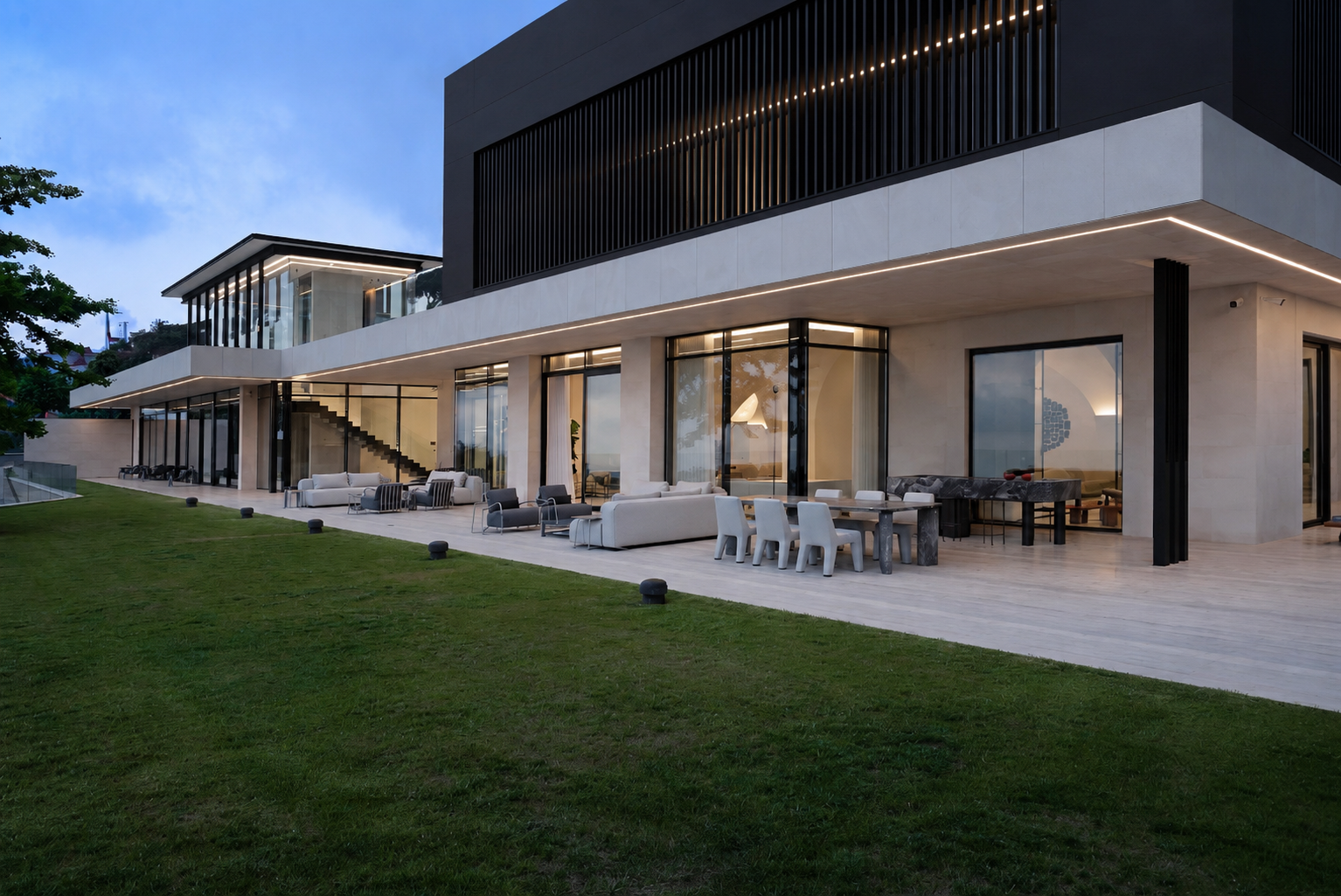
Located in a quiet, green residential area just outside the heart of Brussels, the Dimitri project unfolds within a 1932 villa marked by subtle eclecticism. When interior architect Victoria-Maria first stepped inside, the reaction was immediate and emotional. “It felt like stumbling upon a little enchanted manor,” she recalls, “with a subtle touch of Normandy in its spirit.” Dormer windows, half-timbered geometry, deep overhanging eaves and even a small turret reinforced the impression of a miniature countryside residence hidden within the city.
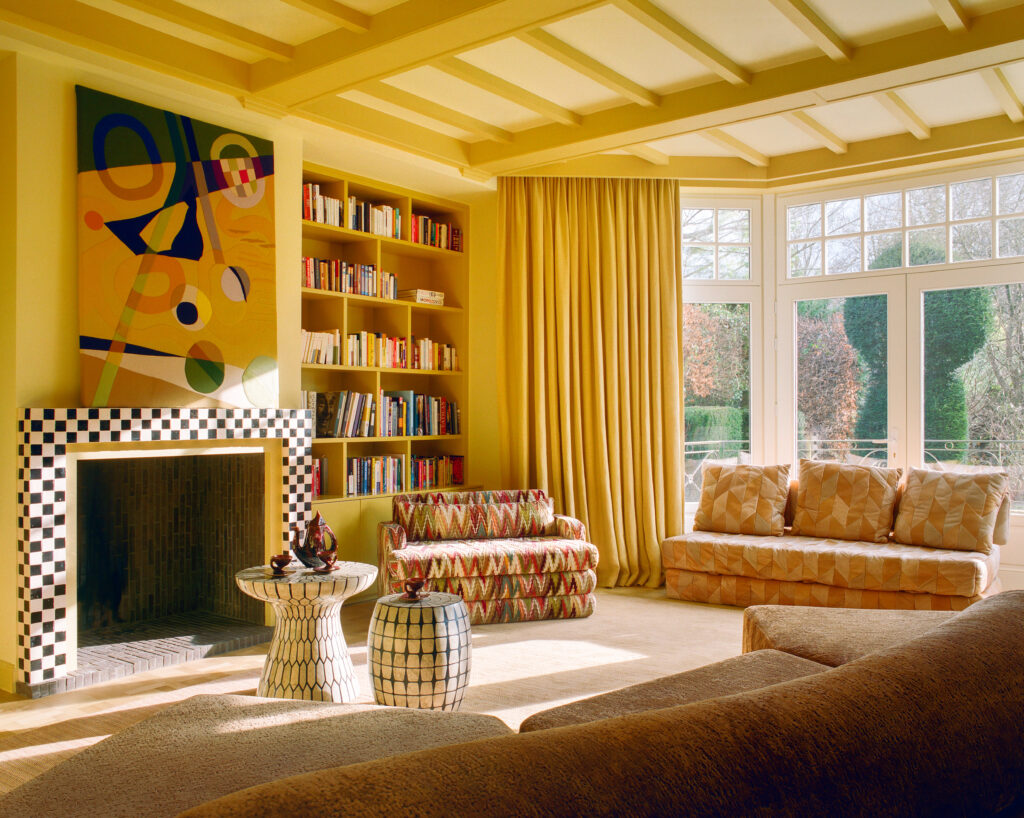
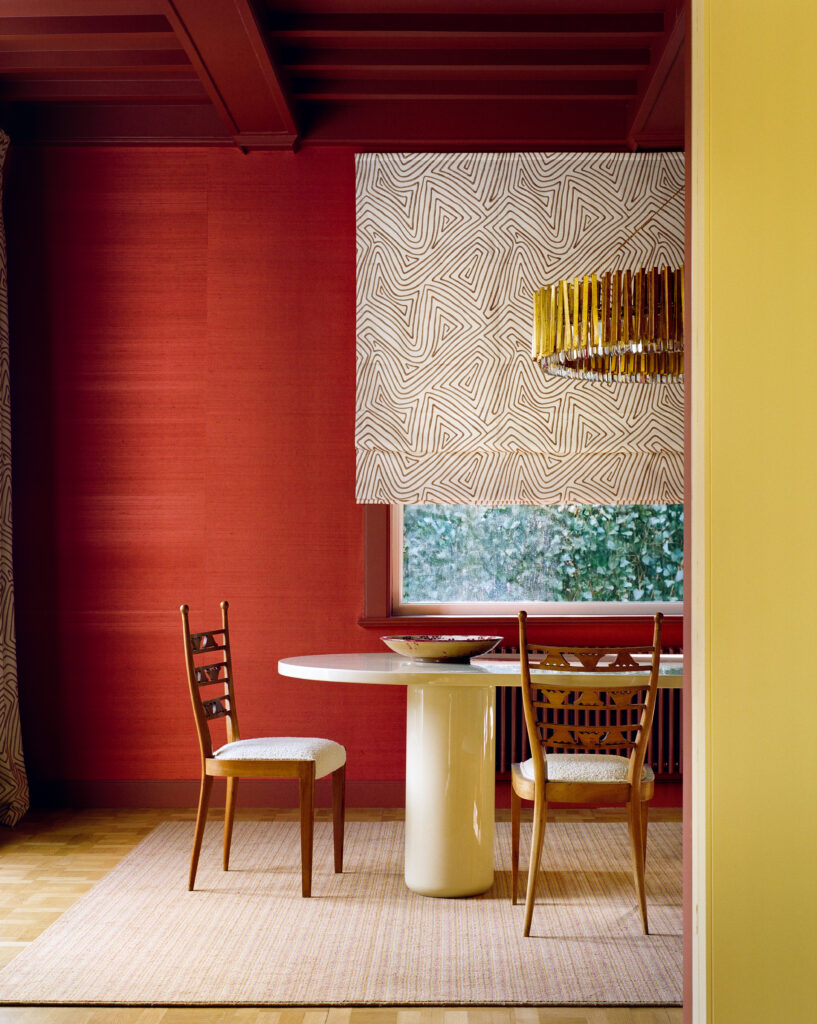
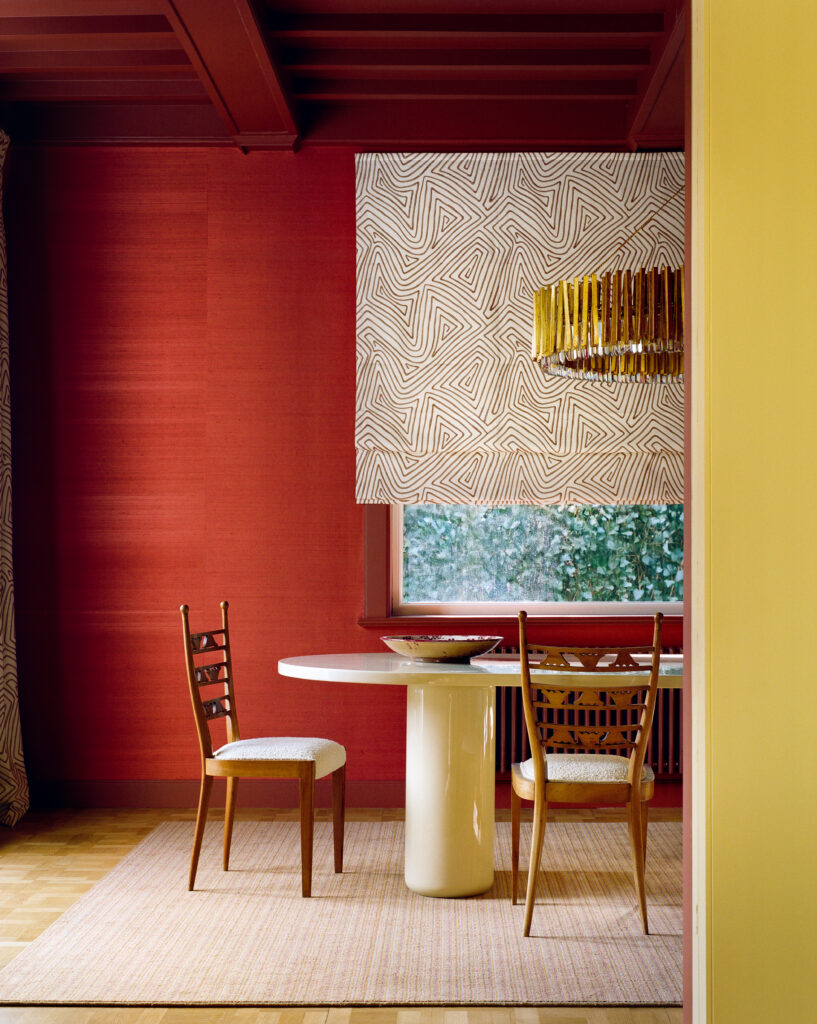
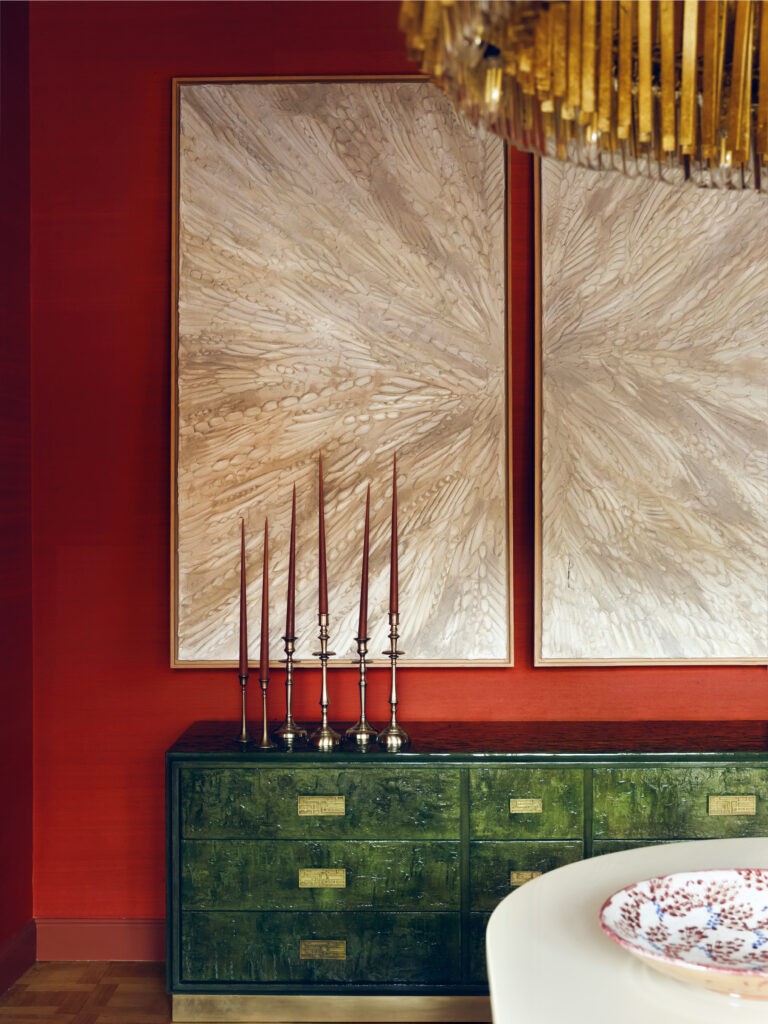
Originally a garden-surrounded villa, the house was in very poor condition, requiring a complete renovation. “Everything needed attention,” explains Victoria-Maria. “We rethought each space from scratch.” Spanning approximately 575 square metres and now home to a family with five children, the project was guided by a clear brief: a home that was colourful, one of a kind, and far removed from traditional or trend-driven interiors.
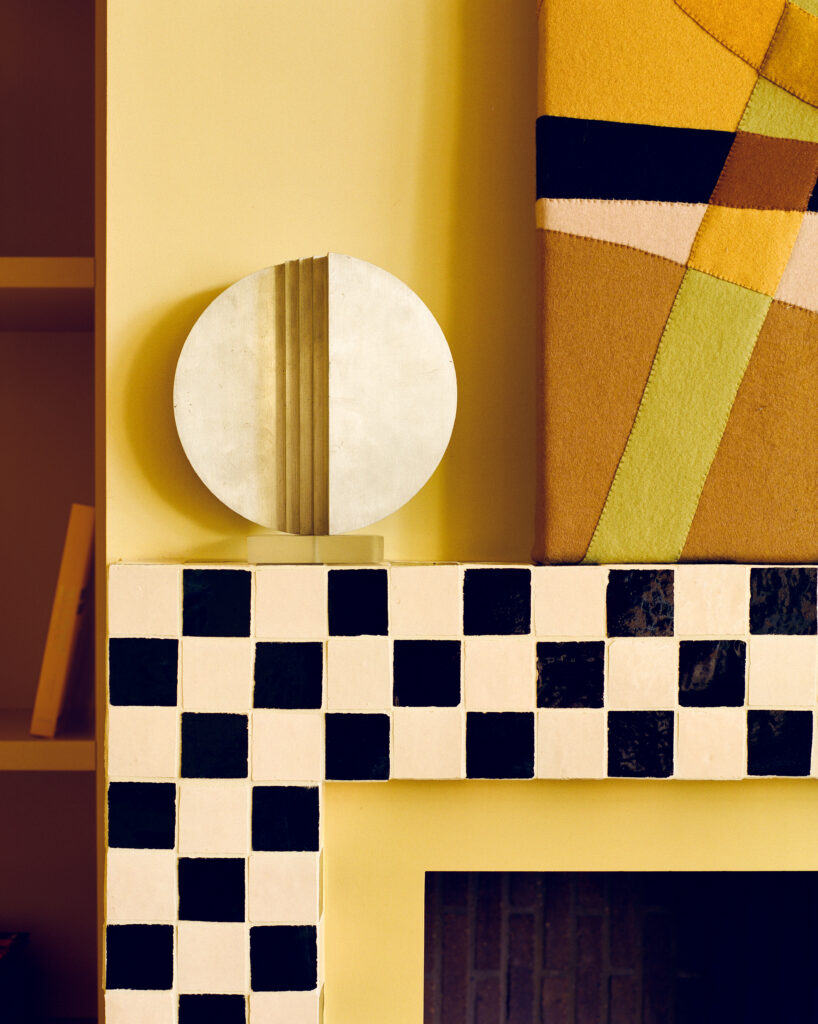
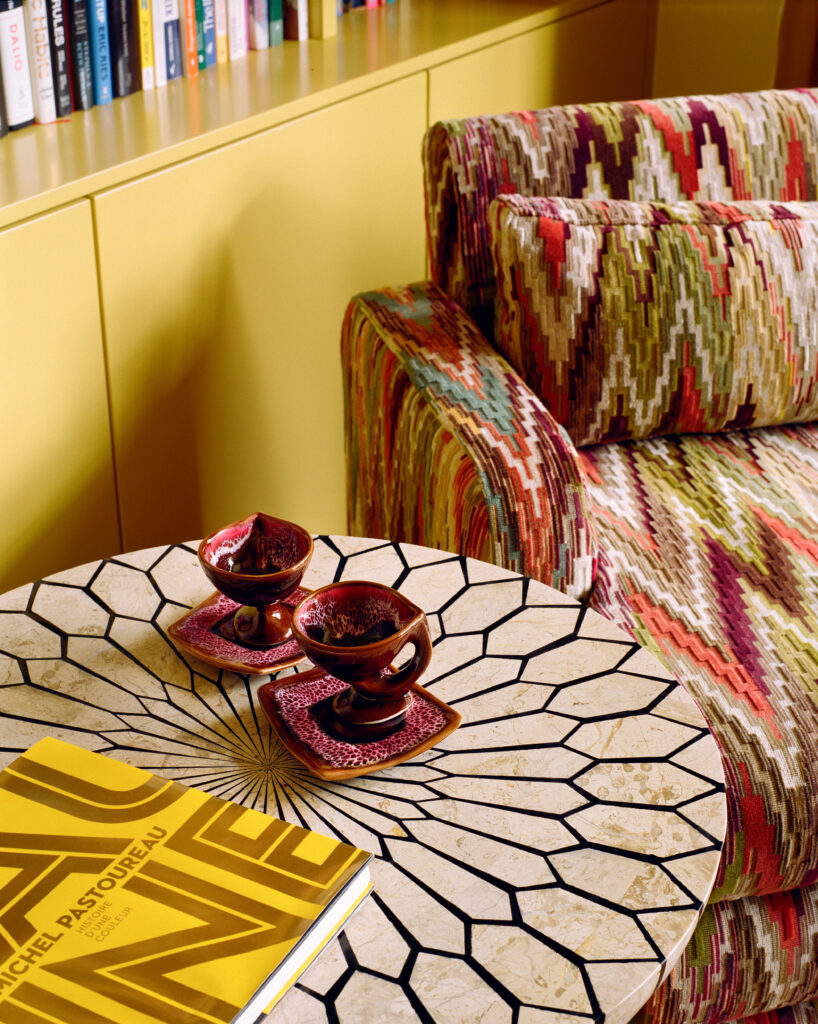
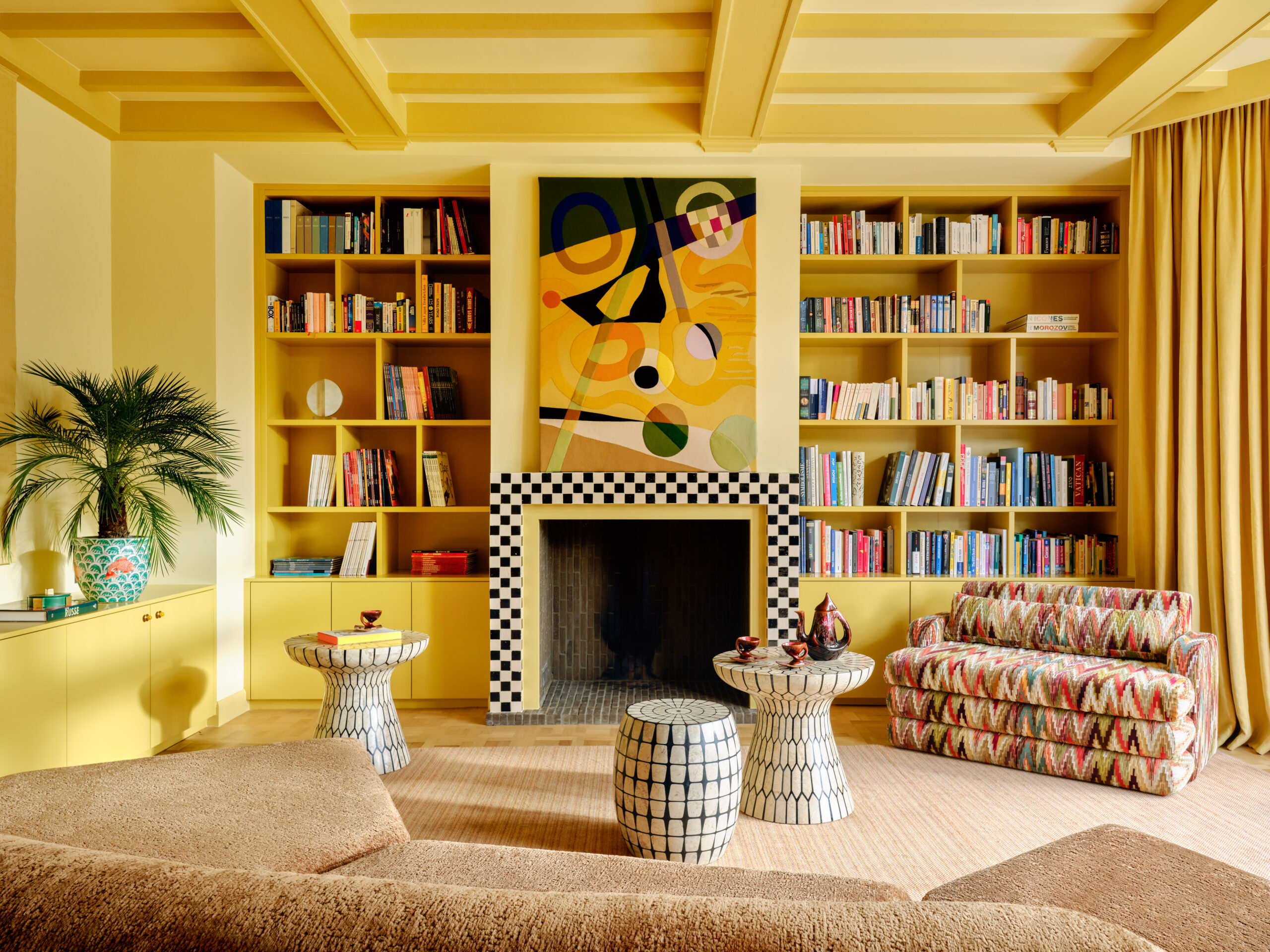
From the outset, the designer envisioned something “cosy, colourful, and full of personality.” The living room embodies this approach. Bathed in layered shades of yellow, with walls and beams painted in nuanced tones by Ressources, the space feels rhythmic and joyful. A fireplace clad in black-and-white zelliges by Popham Design introduces graphic contrast, while seating ranges from the On the Rocks sofa by Edra to vintage pieces and a bespoke Wenceslas sofa designed by Victoria-Maria herself.
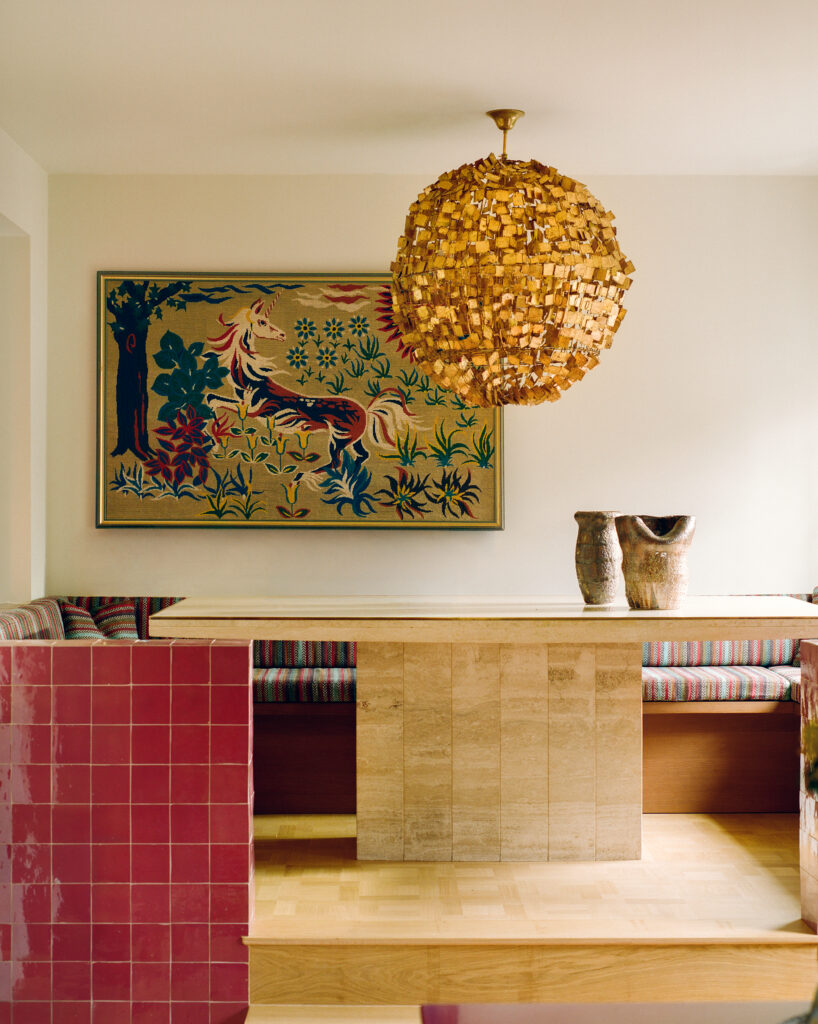
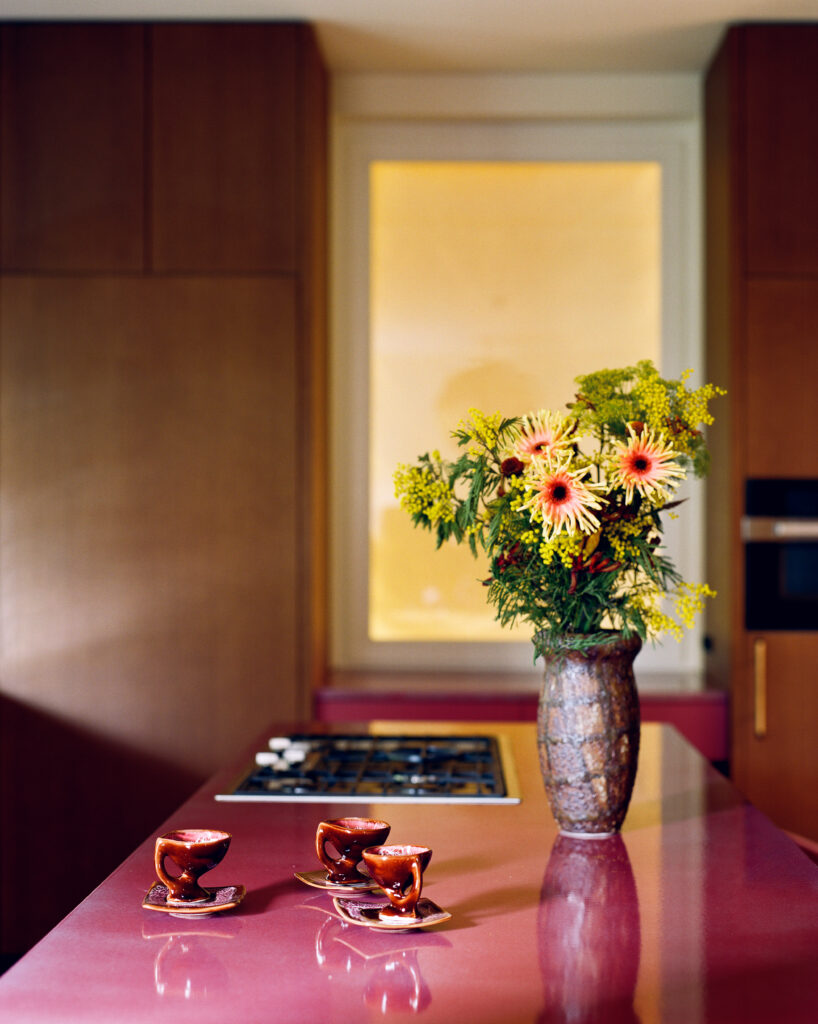
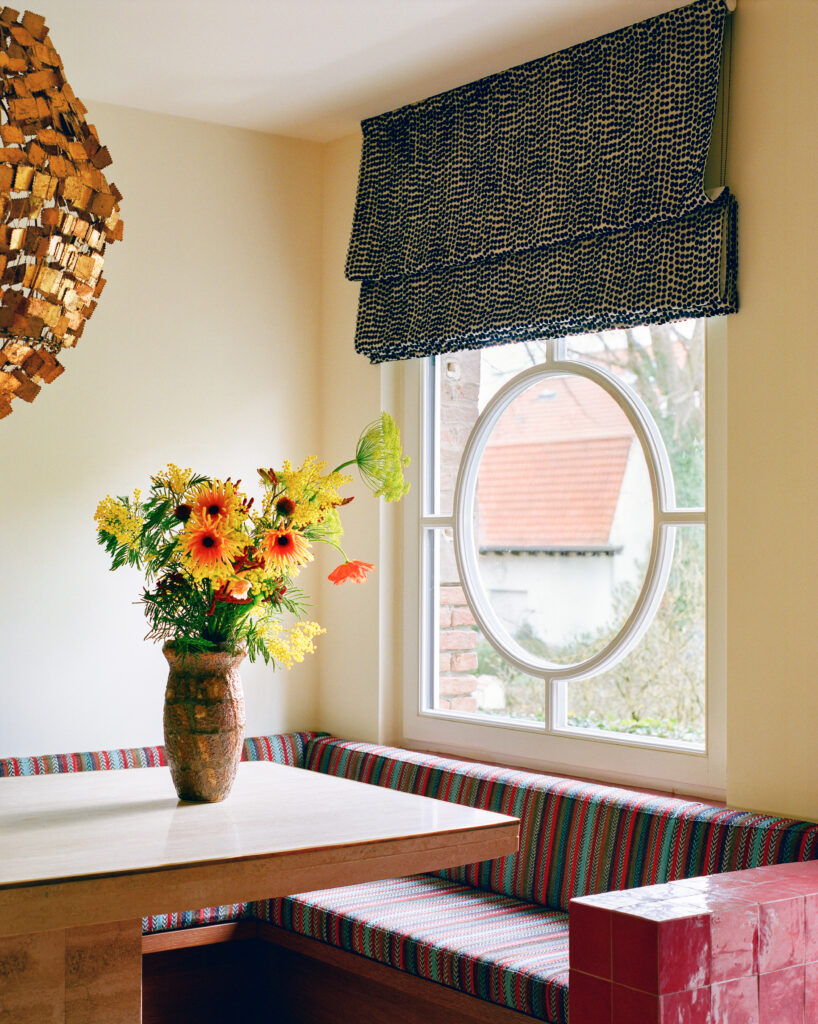
In the kitchen, craftsmanship takes centre stage. A custom walnut kitchen by Liedssen, Belgium, is topped with a pink lava stone countertop made in Italy. “The surface was more uneven than expected,” she notes, “but that’s the magic of craftsmanship—it gives the piece a soul.” Moroccan zelliges line the breakfast bench, adding texture and warmth.
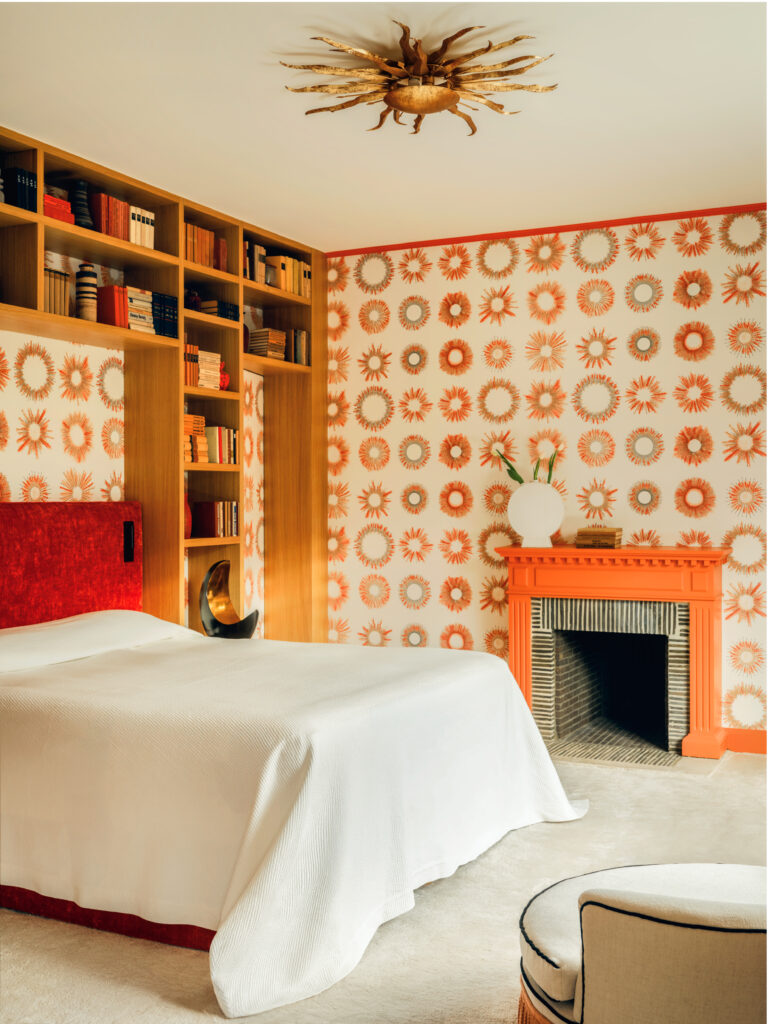
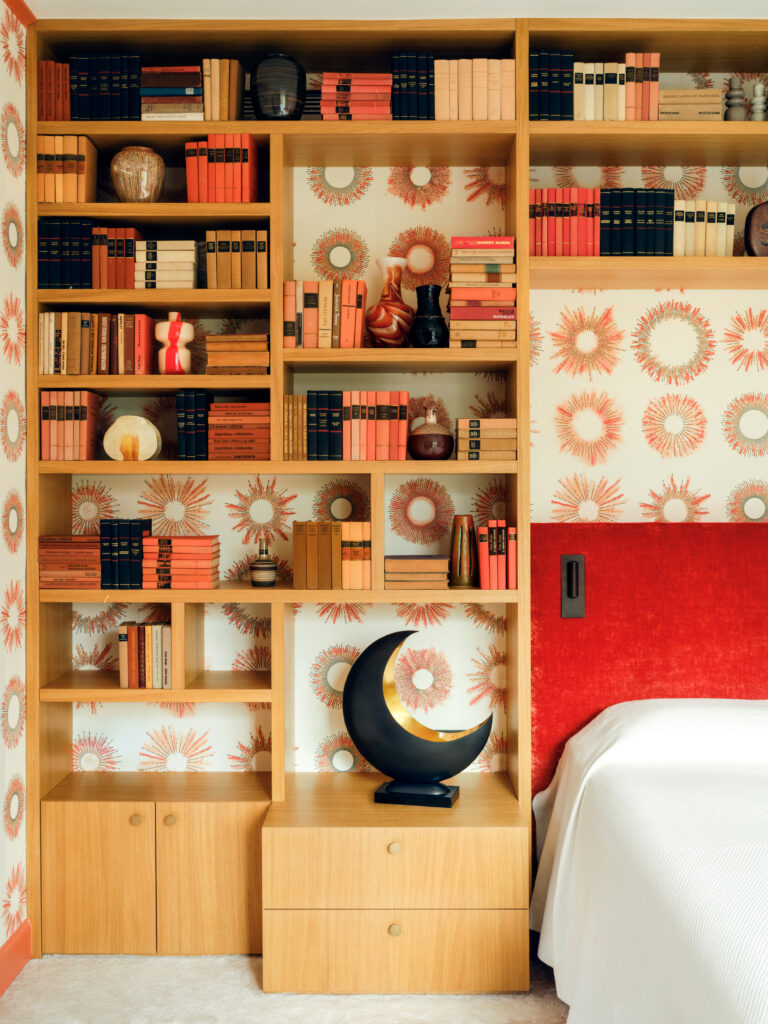
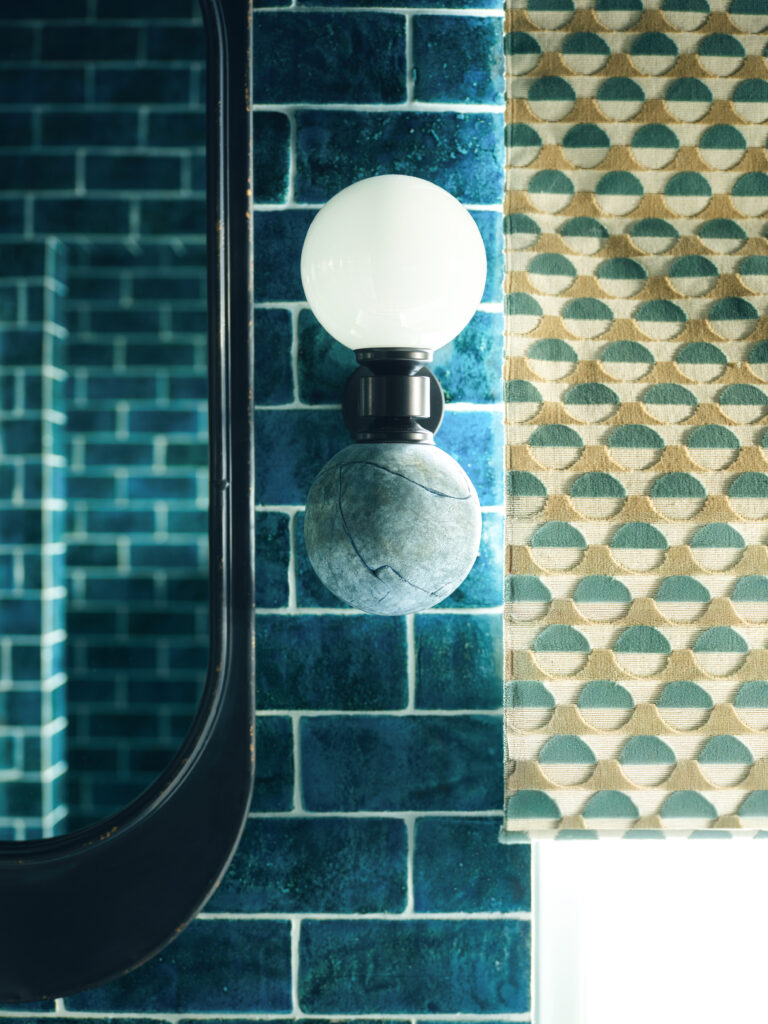
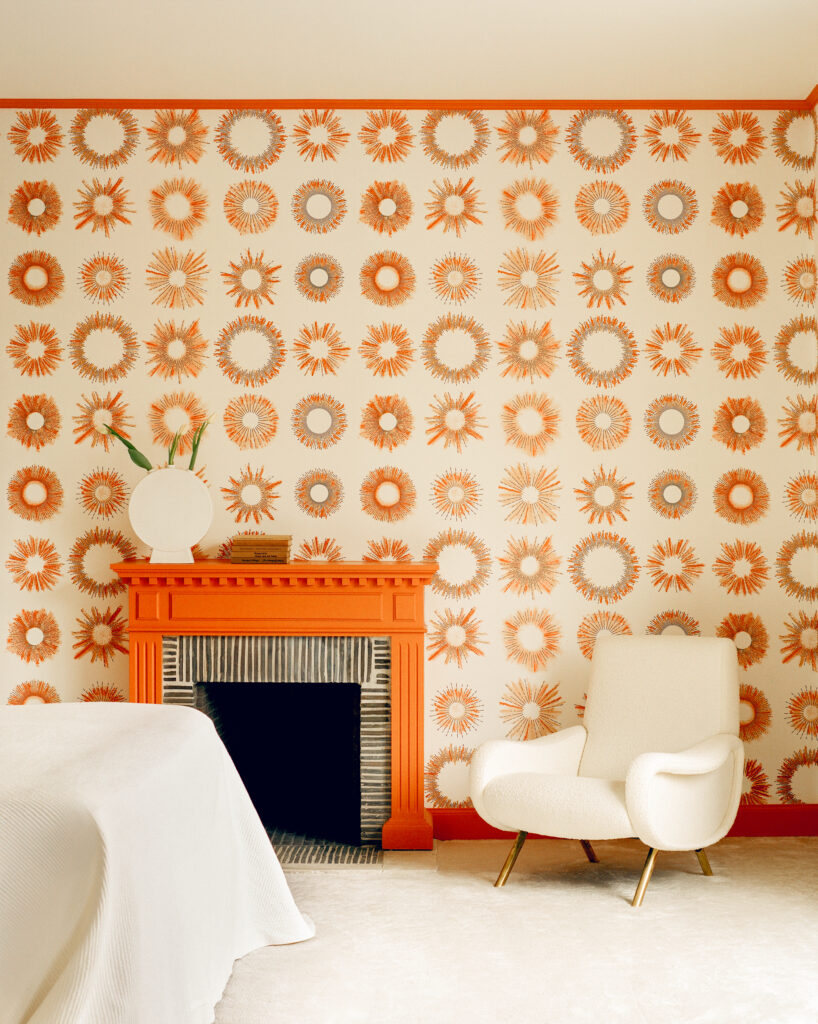
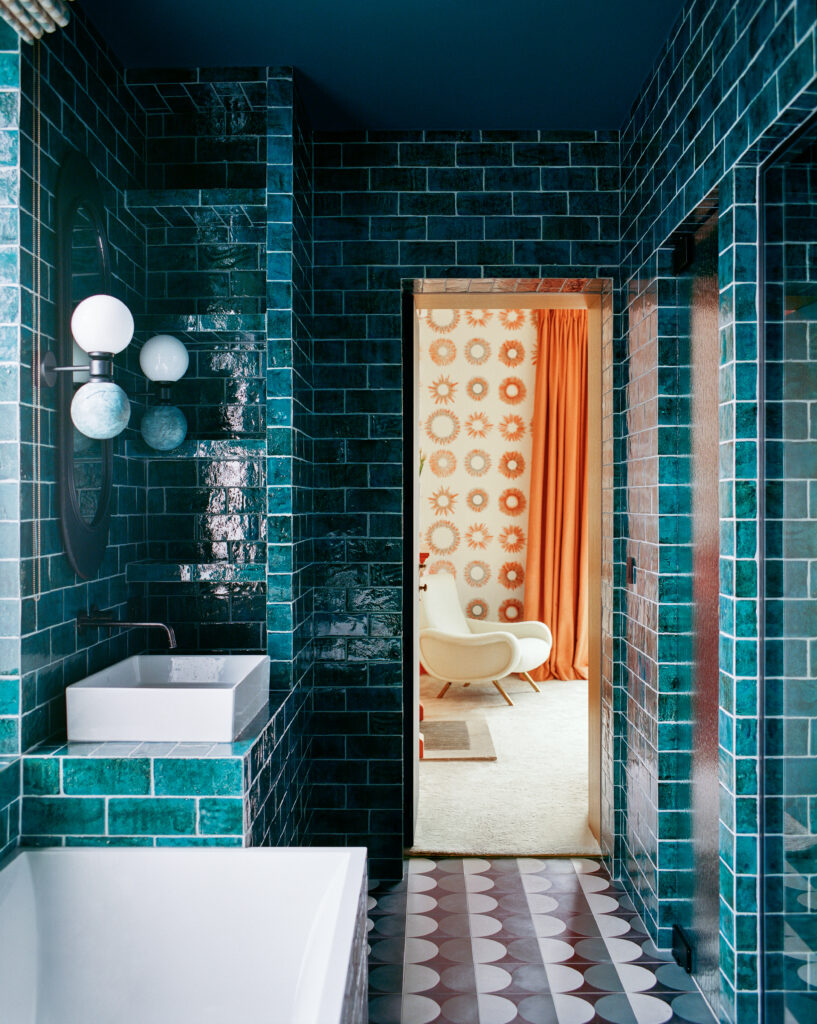
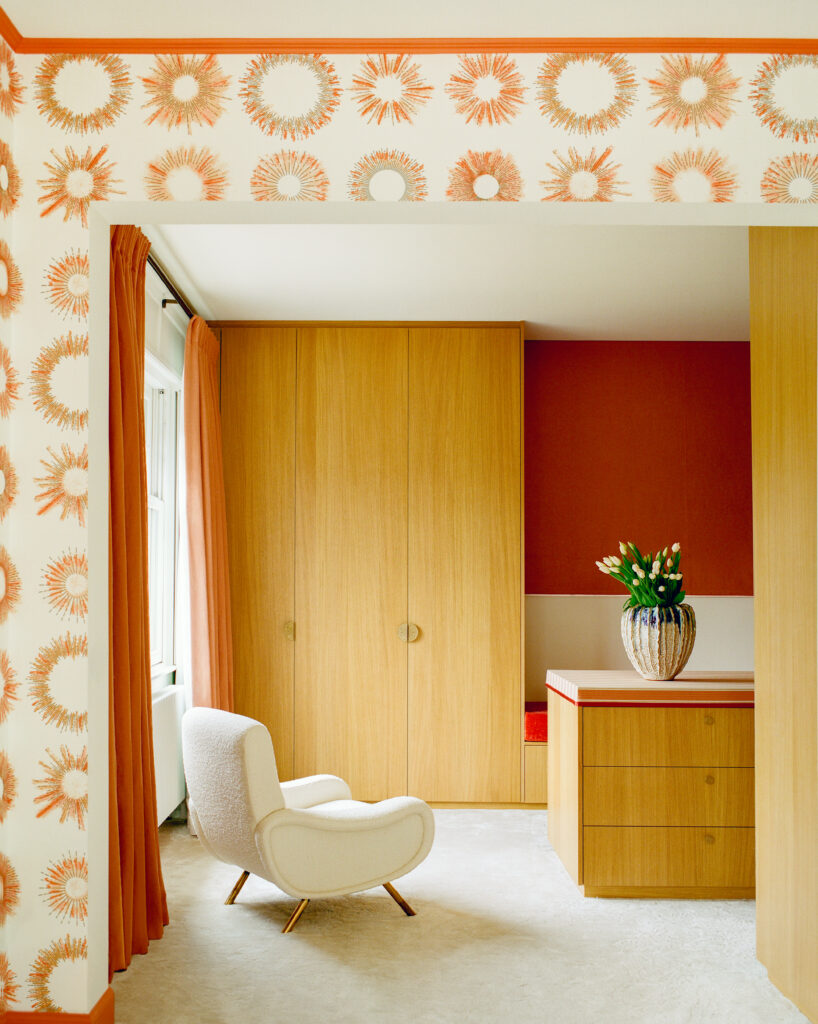
Private spaces are equally expressive. Bedrooms feature “Sunny” wallpaper designed by Victoria-Maria for Pierre Frey, velvet headboards, and custom oak cabinetry, while bathrooms combine India Mahdavi’s cement tiles for Bisazza with glazed terracotta walls and deep-toned ceilings.
While the design process remains consistent—rooted in dialogue, drawings, and immersive renderings—each project draws its energy from the people and the place. Here, the result is a layered, deeply personal home that embraces imperfection, colour, and the confidence to be unapologetically itself.