Words by Allegra Salvadori | Full videography and photography credits below.
We asked Rozina Stefan, founder of Loom Collection, how to style the perfect coffee table — and her answers went far beyond the visual. For Rozina, design is less about decoration and more about feeling: how a room flows, how objects invite pause, how proportions can create calm. Her styling tips are as thoughtful as the pieces she curates — rooted in function, emotion, and an instinct for quiet beauty.
Founded in 2019 in Dubai by Rozina and Brad Wissink, Loom Collection has become a byword for contemporary serenity. Born from a desire to create interiors that feel warm, intentional, and timeless, the brand reflects a new rhythm of living in the region — one guided by connection, craftsmanship, and ease.
“While the city offered many furniture options, it was challenging to find pieces that reflected the kind of design we valued: warm, natural, and Scandinavian in spirit,” recalls Rozina.
What began as a personal search soon evolved into a studio that resonates with an entire community seeking connection and intention in their homes.
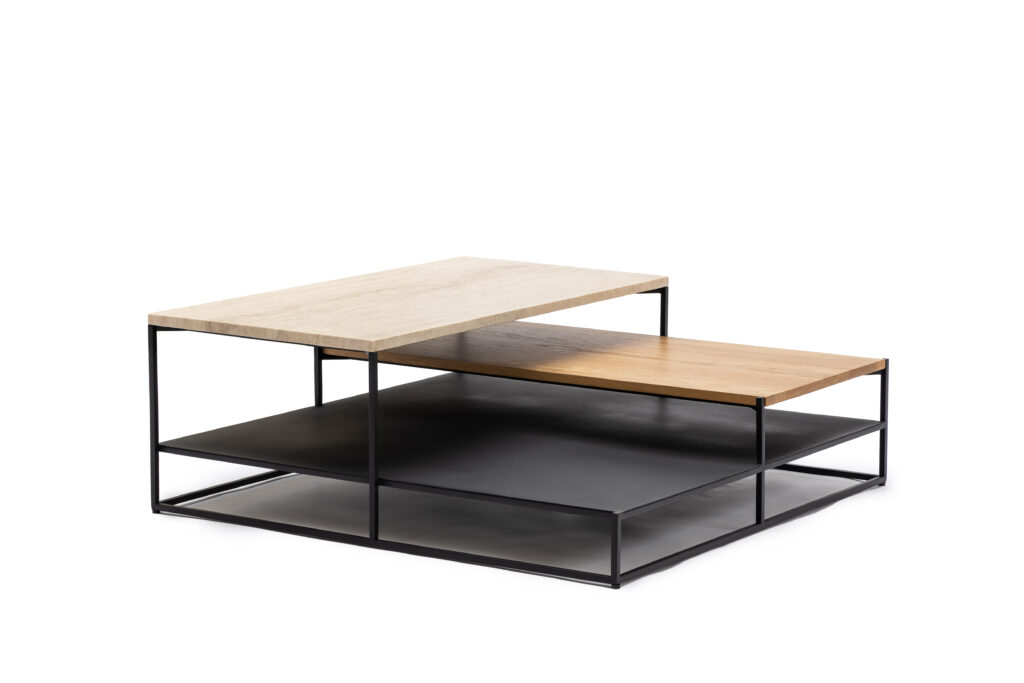
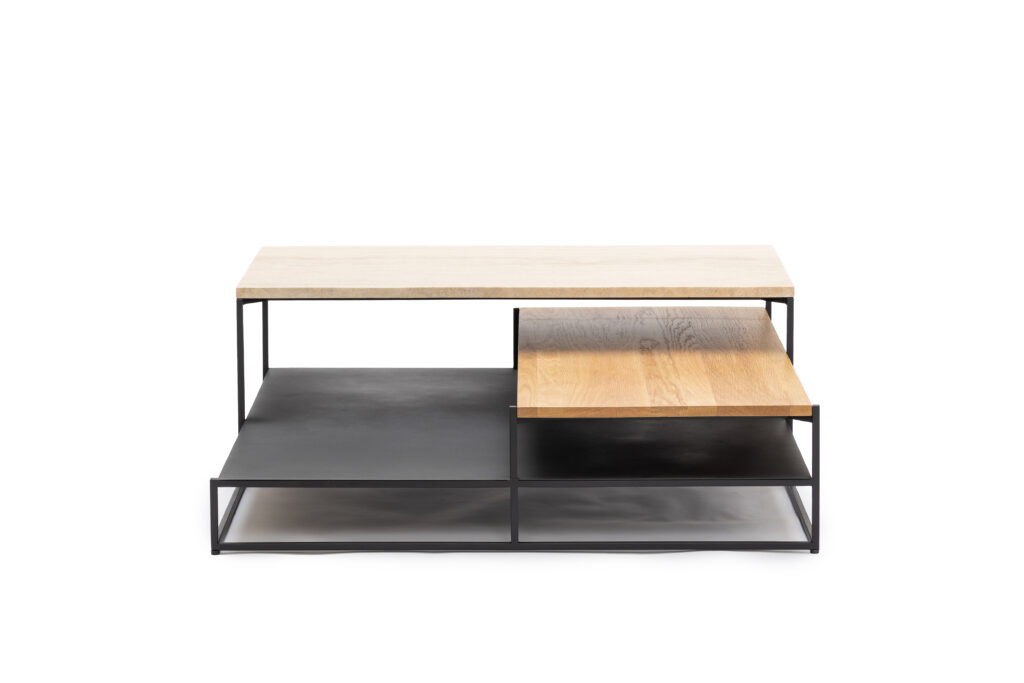
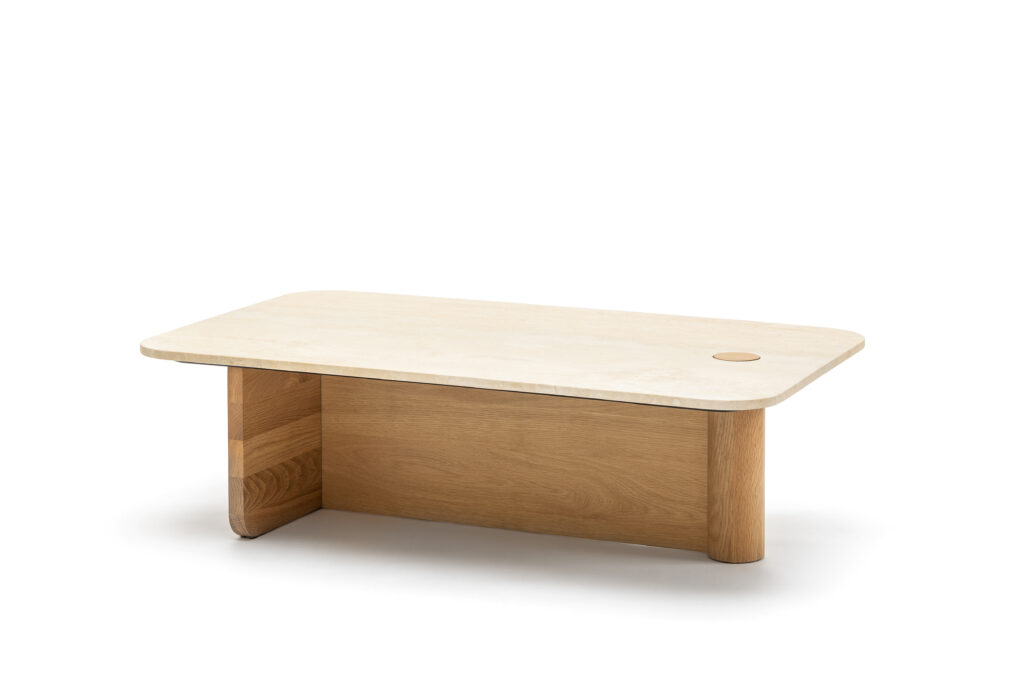
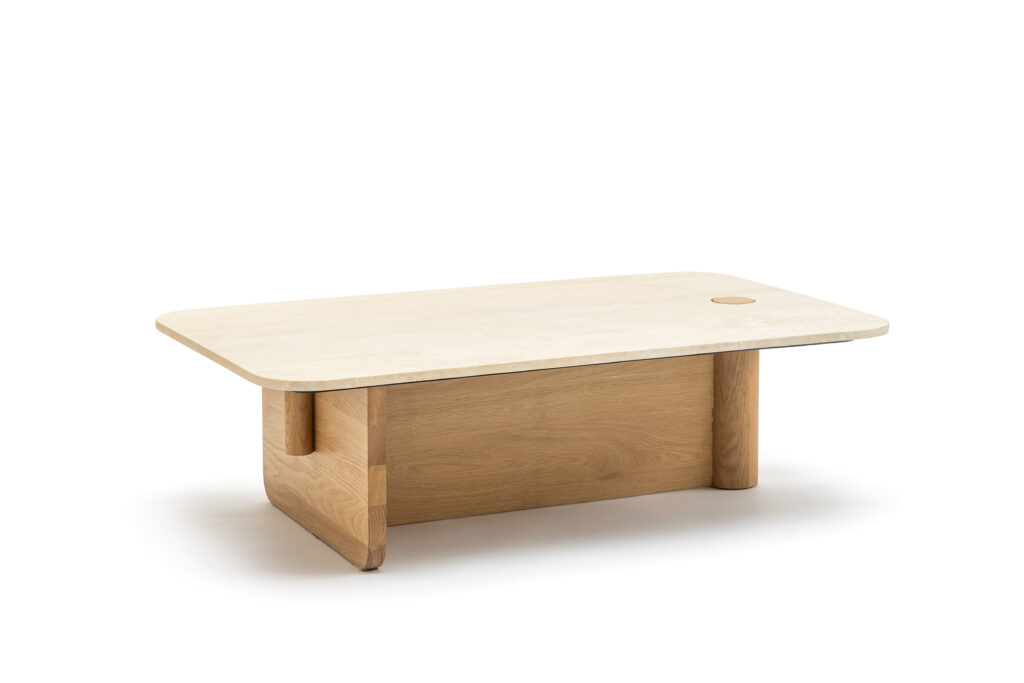
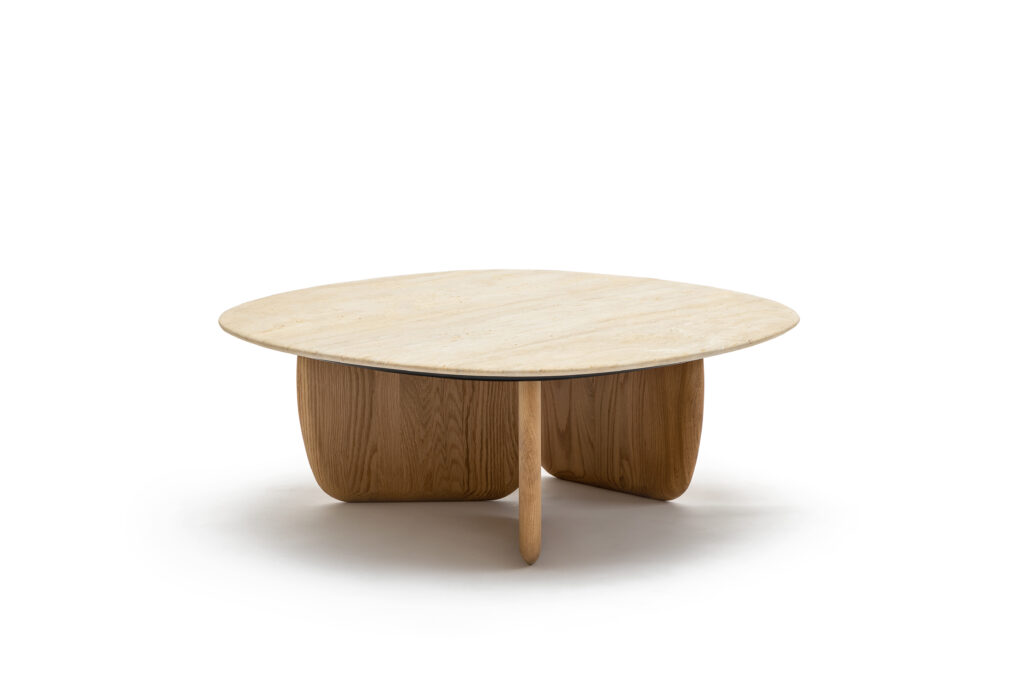
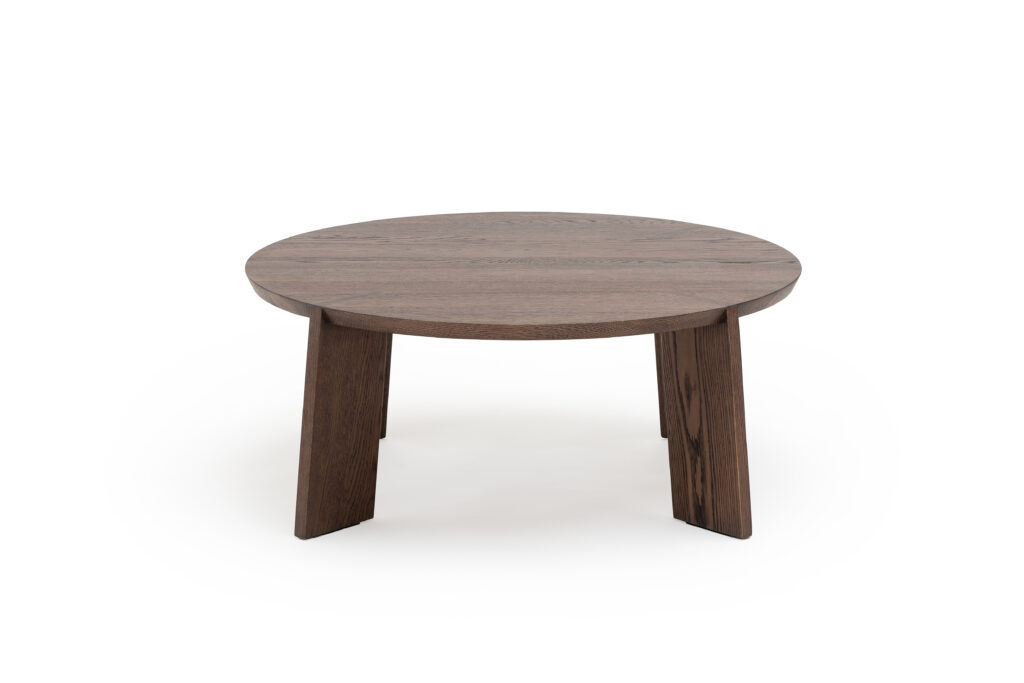
In the following videos, Loom Collection translates Rozina’s philosophy into form, revealing how subtle variations in shape can transform a living room. From the clean geometry of the square table to the elongated balance of the rectangle and the soft symmetry of the round, each piece offers a distinct rhythm — and a quiet reminder that good design always begins with intention.
The Square Table
Loom’s philosophy extends far beyond its own collections. The studio curates a dialogue between local sensibilities and global craftsmanship, representing brands such as Ethnicraft, Tolv, and Natadora—names chosen not for their fame but for their shared belief in longevity and authenticity.
“Curation is at the heart of Loom Collection,” Rozina explains. “We look for makers who believe in meaningful interiors, where every piece is designed to last and evolve with the lives of those who live with it.”
This same philosophy shapes Loom’s Dubai Investment Park showroom, which feels less like a display space and more like a lived-in home. Furniture is layered with soft lighting, ceramics, and art so visitors can imagine their own stories unfolding within those rooms. “It’s not about showcasing products,” she says. “It’s about telling a story of calm, comfort, and connection.”
The Rectangular Table
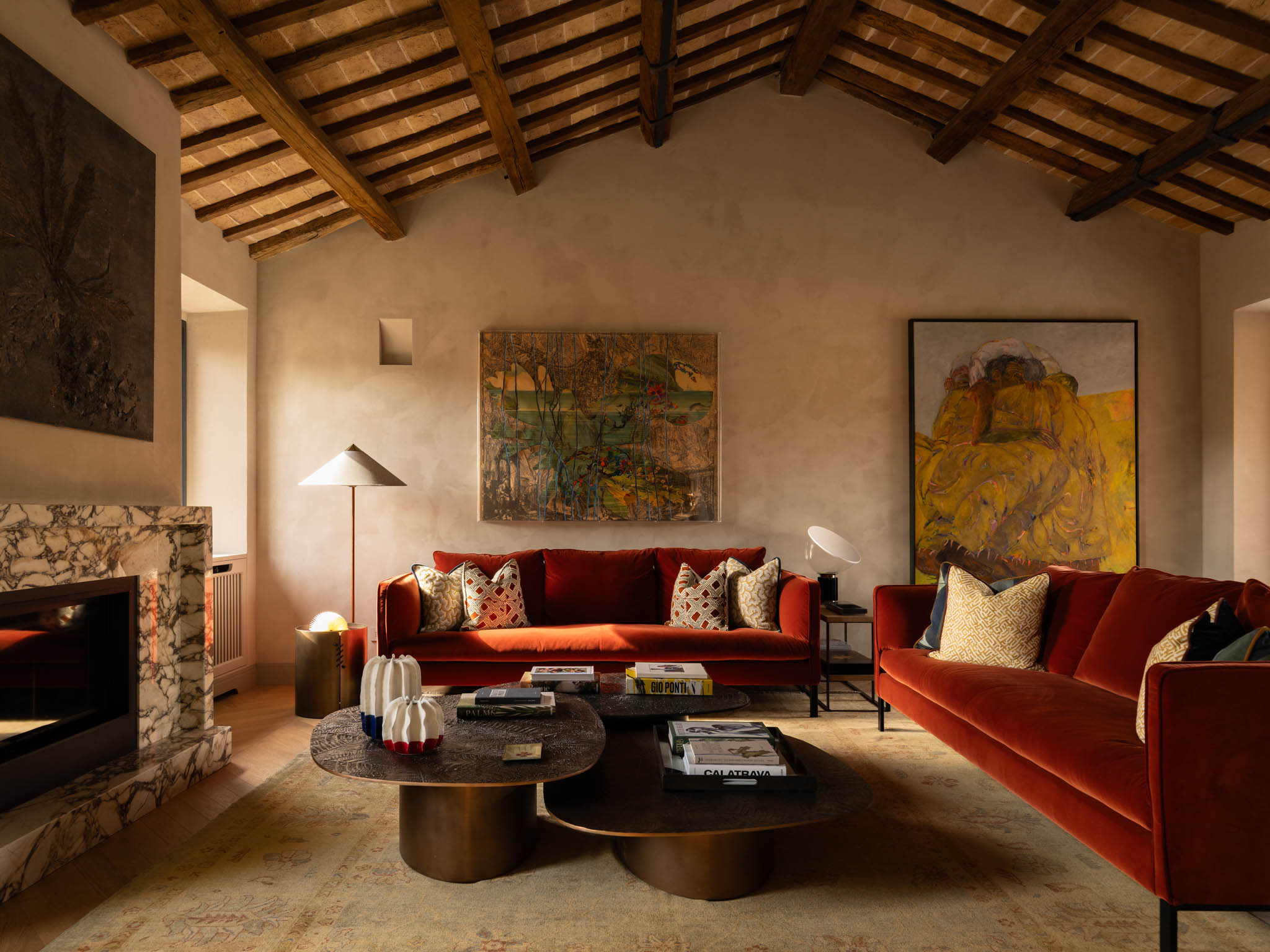
When conversation turns to living rooms, Rozina lights up. “For me, it’s always the sofa first,” she smiles. “It anchors the room and sets the tone for how the space will be used—whether for family lounging or entertaining. Once you have the right sofa, the coffee table becomes the piece that complements it and brings the whole room together.”
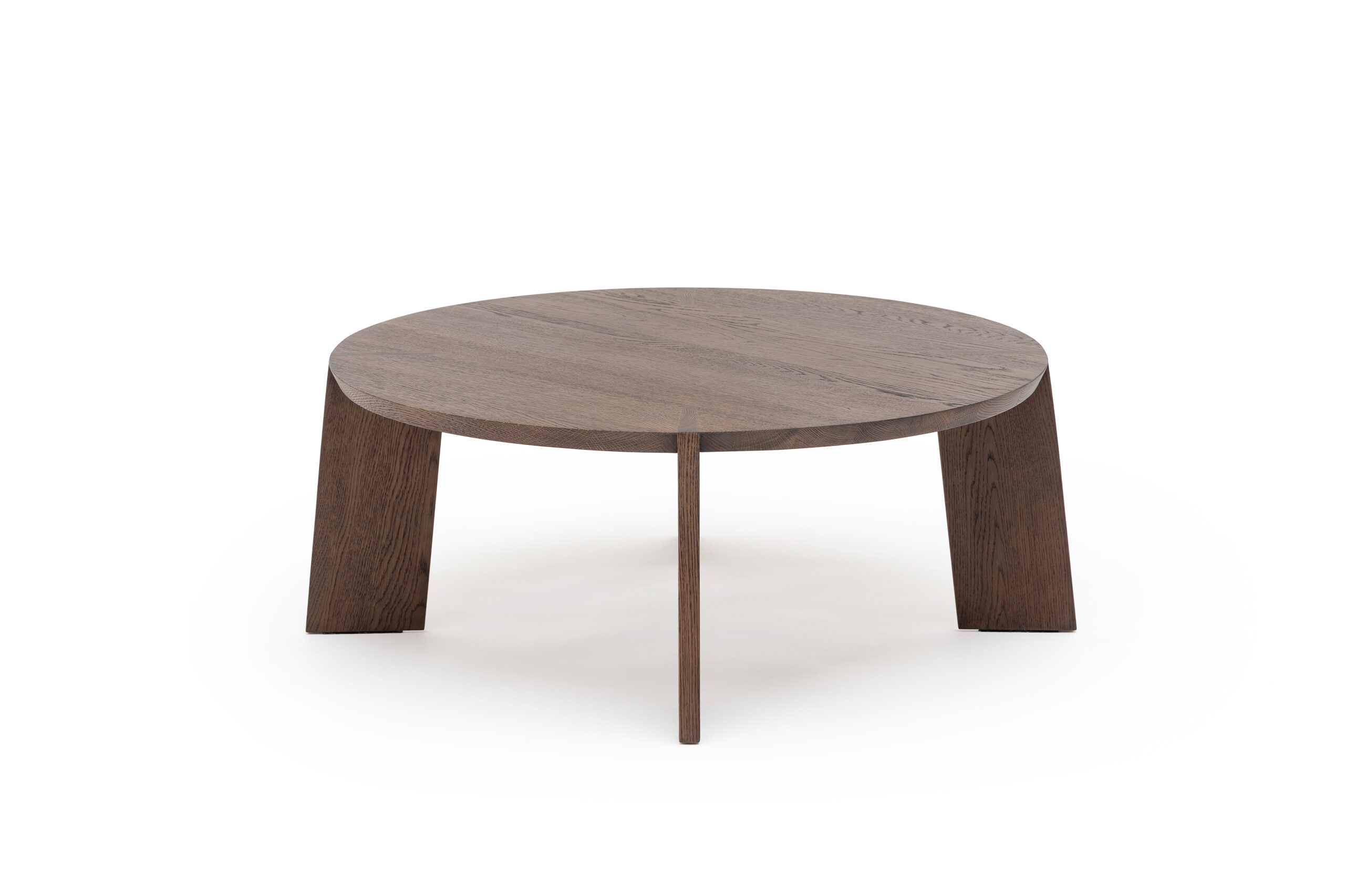
Choosing that perfect table, she says, is all about proportion, flow, and lifestyle. “In a smaller or more intimate space, a round table creates movement and softness. For larger living rooms, rectangular or oval shapes balance out the scale of the sofa.”
In a smaller or more intimate space, a round table creates movement and softness. For larger living rooms, rectangular or oval shapes balance out the scale of the sofa.
Rozina then adds that she “always ask clients to think about how they live—do they need space for kids to move around, or do they love to host?” In the end, the right shape is the one that supports your daily rituals.
The Round Table
When we ask Rozina what’s the most surprising or unconventional object she has ever used to style a coffee table, she replies “I once styled a coffee table with a vintage ceramic bowl filled with fresh herbs instead of flowers,” she shares. “It brought a sense of life and fragrance into the room in such a subtle, unexpected way.”
For her, the best interiors are never staged; they’re lived in. “Coffee tables should reflect your personality,” she says. “Think beyond books and candles—add something that feels personal, even playful.”
And that’s perhaps the essence of Loom Collection: a reminder that modern design can still feel deeply emotional. Because true beauty, as Rozina believes, “is found in the quiet balance between form, function, and feeling.”