Words By Allegra Salvadori | Photography Allegra Salvadori, Studio Nadia Debs, UAE Expo Office
Wandering through Expo Osaka 2025, I didn’t expect to pause in silence — but that’s exactly what happened in the Uzbekistan Pavilion.
At Expo Osaka 2025, I found myself most drawn to spaces where design wasn’t just seen — but deeply felt. The Uzbekistan Pavilion was one of those rare places where memory, material, and imagination converge. Designed in part by Studio Nada Debs, it offered more than an aesthetic encounter — it felt like entering a sacred threshold between past and future.
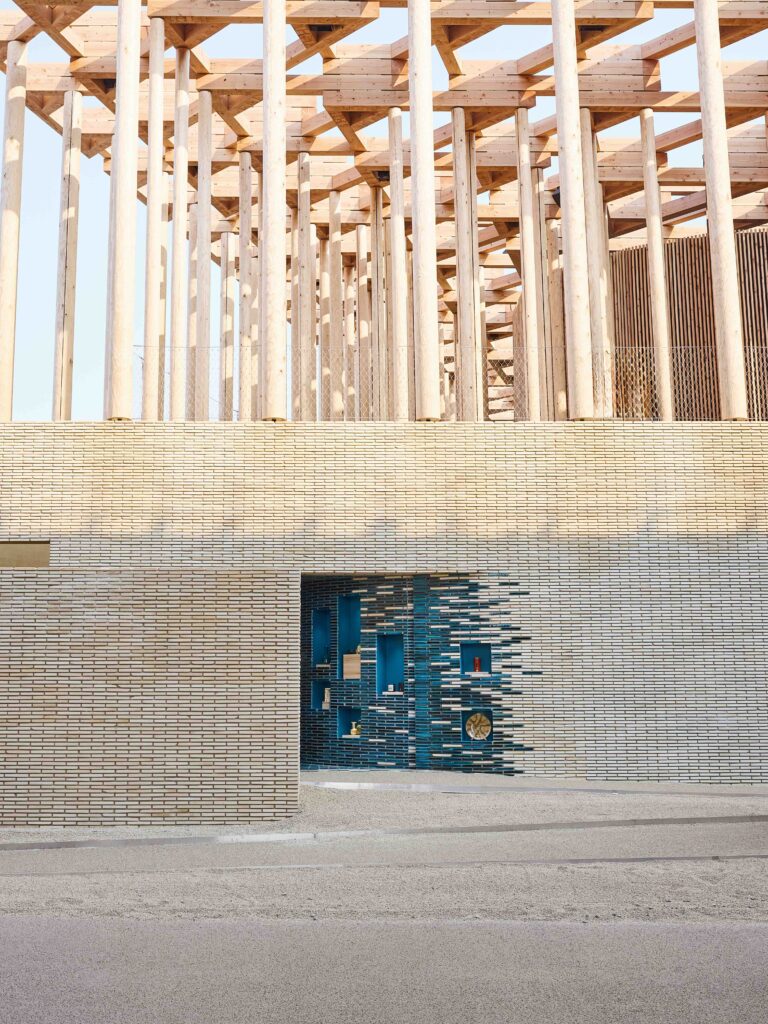
The structure rises from a base of brick and clay, grounding the space in earthy tactility. Above, a forest of 70 slender sugi (Japanese cedar) columns, inspired by Khiva’s Juma Mosque, forms a serene architectural canopy. Each column is embedded with NFC technology to trace its provenance — a modern echo of ancient trade routes.
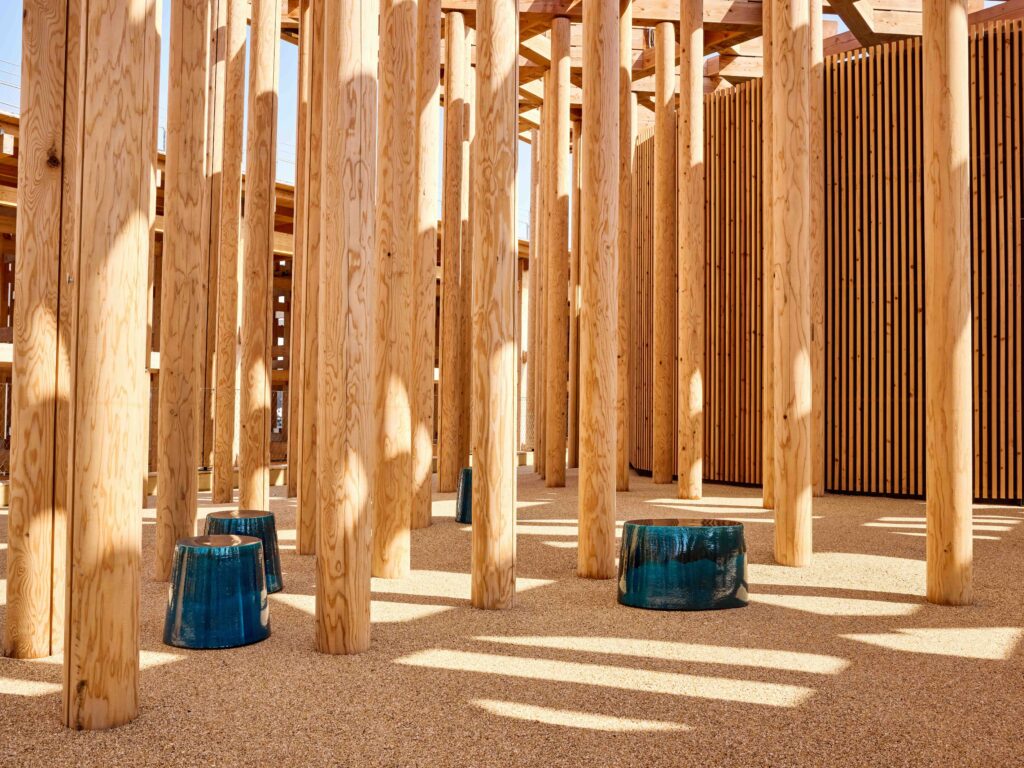
Scattered across an open-air terrace, deep ocean-blue ceramic stools, crafted in collaboration with Uzbek master artisan Abdulvahid Bukhoriy Karimov, evoke the final drops of the Aral Sea. Luminous and fragile, they whisper stories of loss, resilience, and renewal.
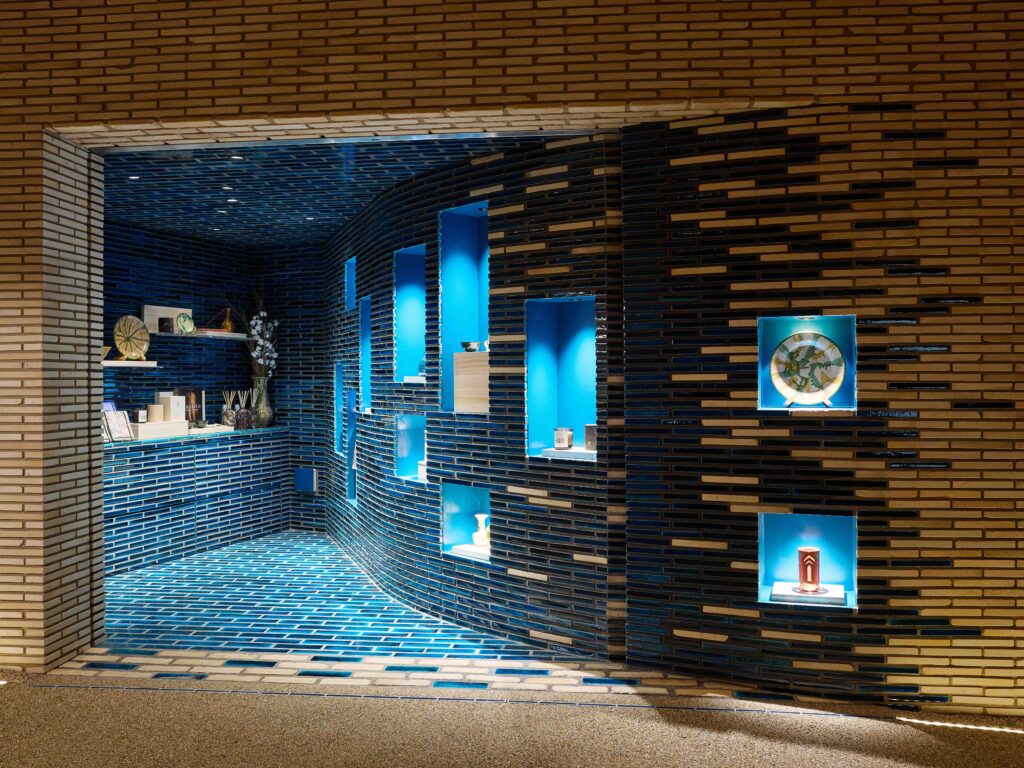
What moved me most was the clarity of vision. At the heart of the pavilion lies the “Garden of Knowledge”, imagined by Gayane Umerova as a sanctuary for reflection — intellectual, cultural, and emotional. Lined with over 11,000 hand-crafted turquoise Bukharian tiles, it is both archive and horizon. In that moment, surrounded by materials shaped by centuries of hands and minds, I felt genuinely connected — not only to Uzbekistan’s past, but to its radical tenderness toward the future.
Across the Expo grounds, the UAE Pavilion offered a strikingly different but equally evocative experience.
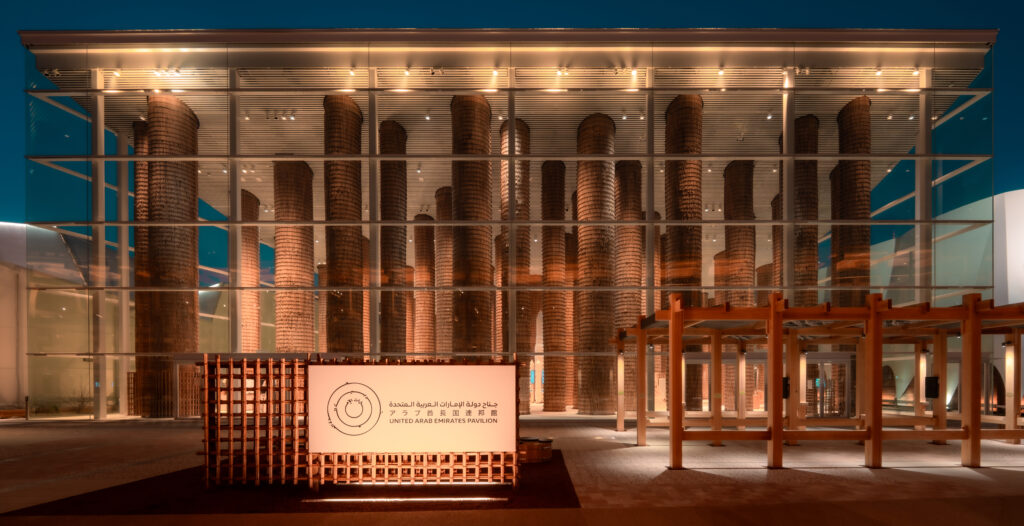
As Design Director Samantha Cotterell described to me, the concept was “to pay homage to the date-palm wood once used to build desert shelters and to find it a contemporary design role.”
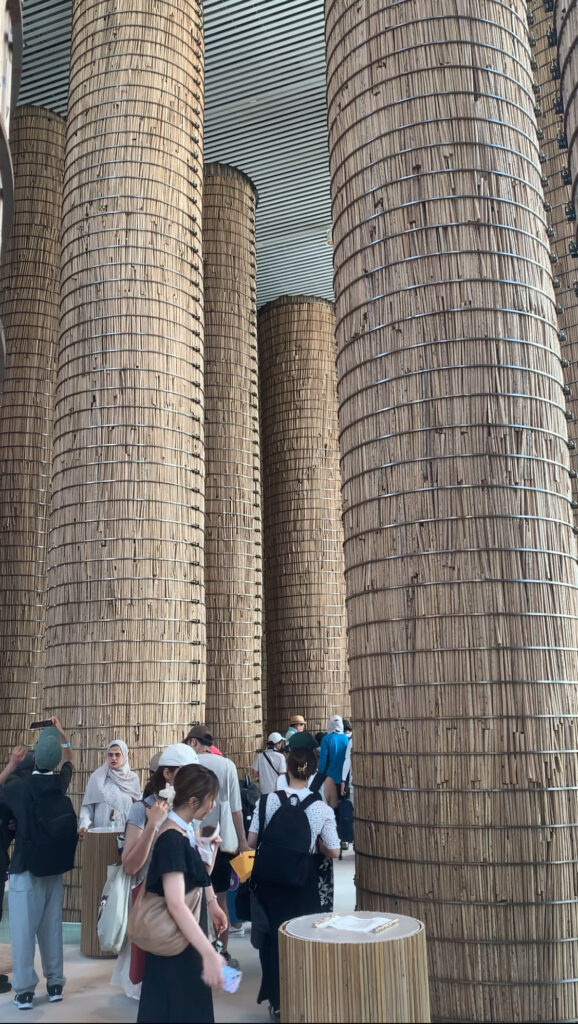
Commissioned by His Excellency Shihab Al Faheem, Cotterel’s vision materialises in a sculptural forest of oversized columns, each clad in millions of date-palm stems, carefully crafted and bundled by Japanese timber specialists. Light filters between them, creating an atmosphere of movement, fluidity, and cultural symbiosis — a tribute to the enduring relationship between the UAE and Japan, which traces back to Expo 1970.
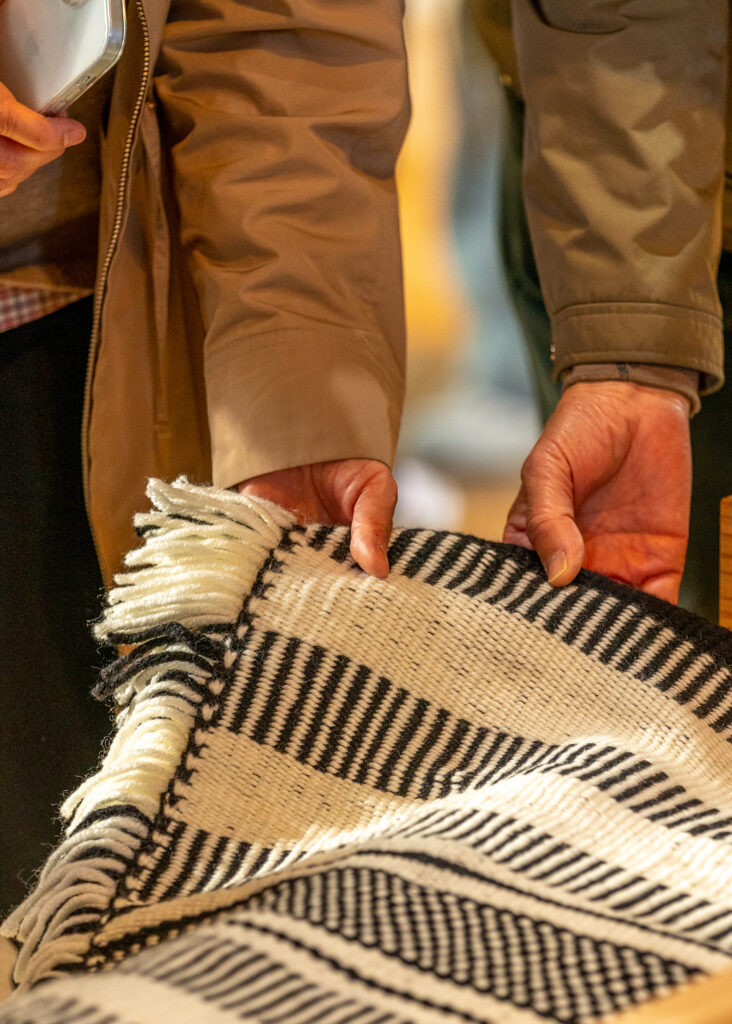
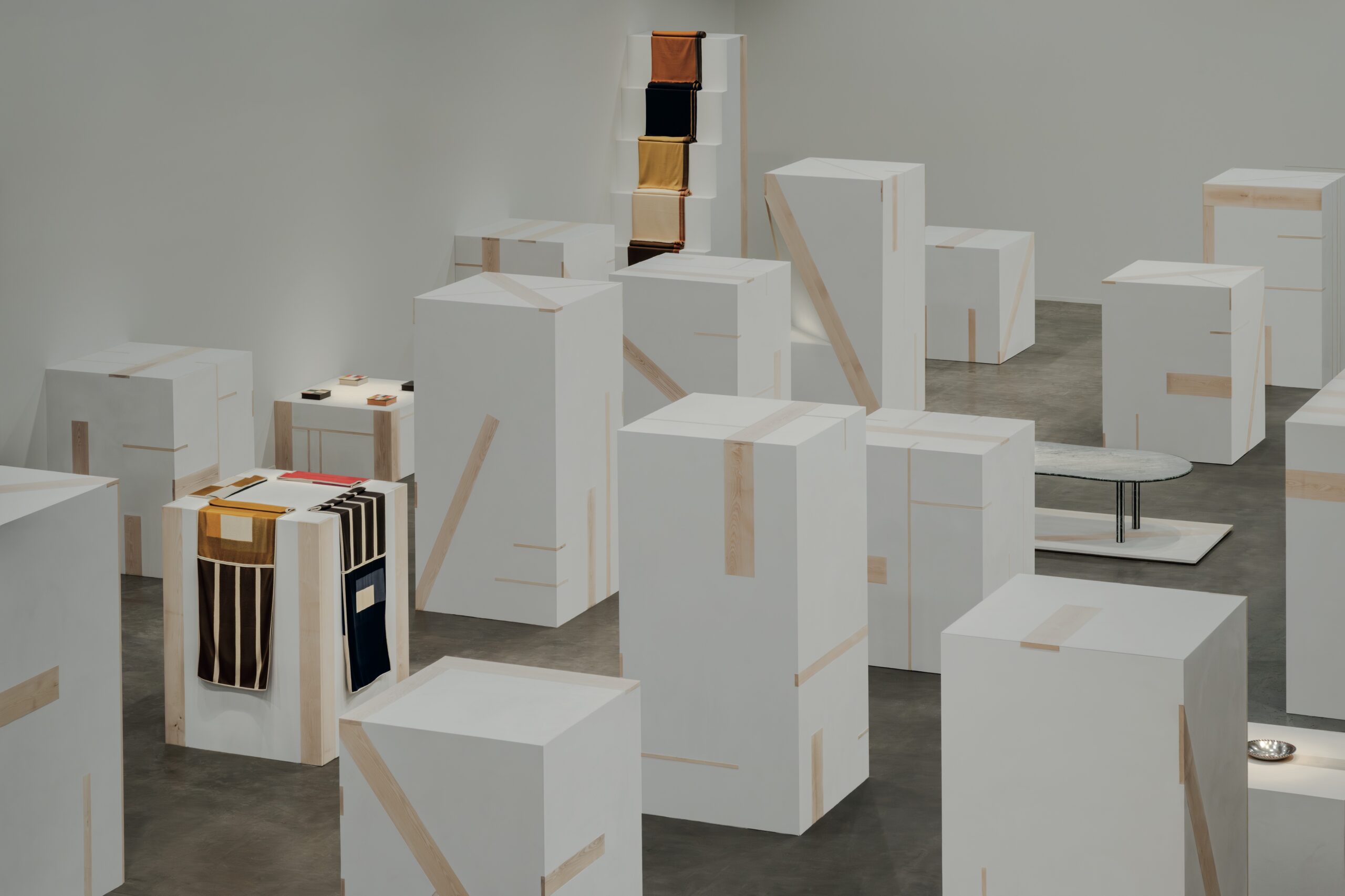
Visitors embark on an immersive, multi-sensory journey, moving through interactive installations and compelling multimedia experiences that explore the pavilion’s three core themes. Scattered throughout are objects that represent facets of UAE culture and history, offering not only aesthetic impact but educational resonance. Each thematic area is designed to engage, inspire, and nurture co-creation, creating space for open dialogue, inquiry, and cultural exchange.
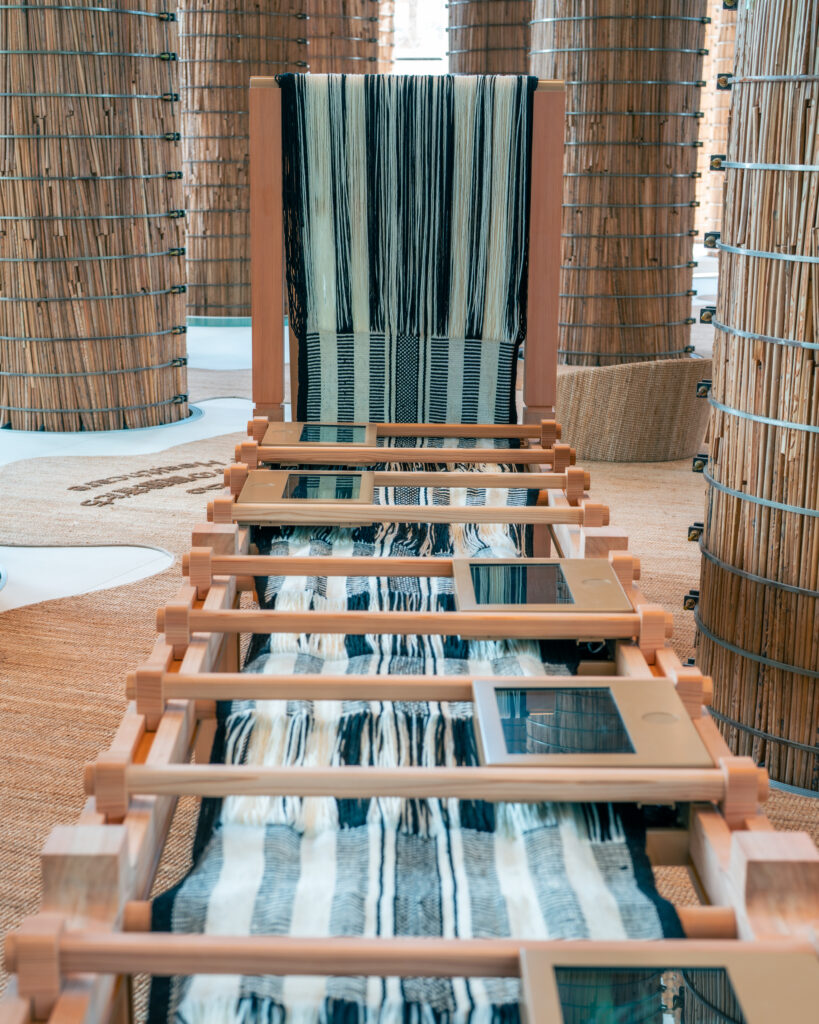
In both pavilions, design becomes a medium of transmission — of craft, of care, of continuity. A quiet reminder that beauty, when rooted in meaning, travels far.
Both the architecture of the Uzbekistan Pavilion and the exhibition design of the UAE Pavilion are by Atelier Brueckner.