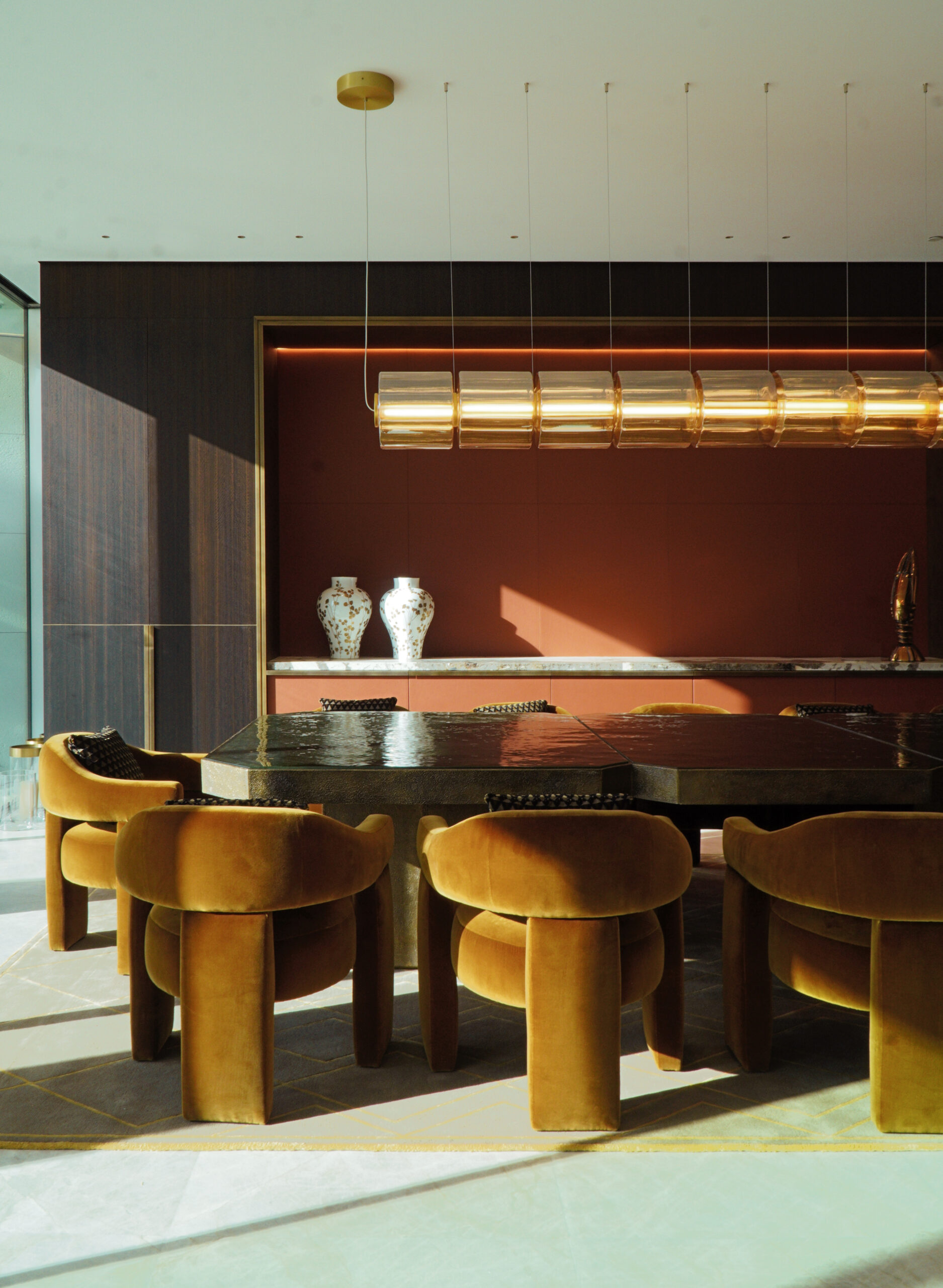
Words by Allegra Salvadori
For much of the past decade, interiors have been consumed primarily as images — flattened, circulated, and optimised for instant recognition. Yet as design culture matures, a quieter and more demanding shift is taking place. The interiors of 2026 no longer aim to impress at first glance; they ask to be inhabited. Across practices and geographies, designers are converging on a shared position: space must be felt, not just seen.
This emerging sensibility privileges duration over spectacle, experience over composition, and meaning over effect. Interiors are no longer stages for visual performance, but environments that hold presence — emotionally, materially, and culturally.
To better understand this shift, we asked five designers to articulate their vision for interiors in 2026, each offering a distinct yet resonant perspective on the year ahead.
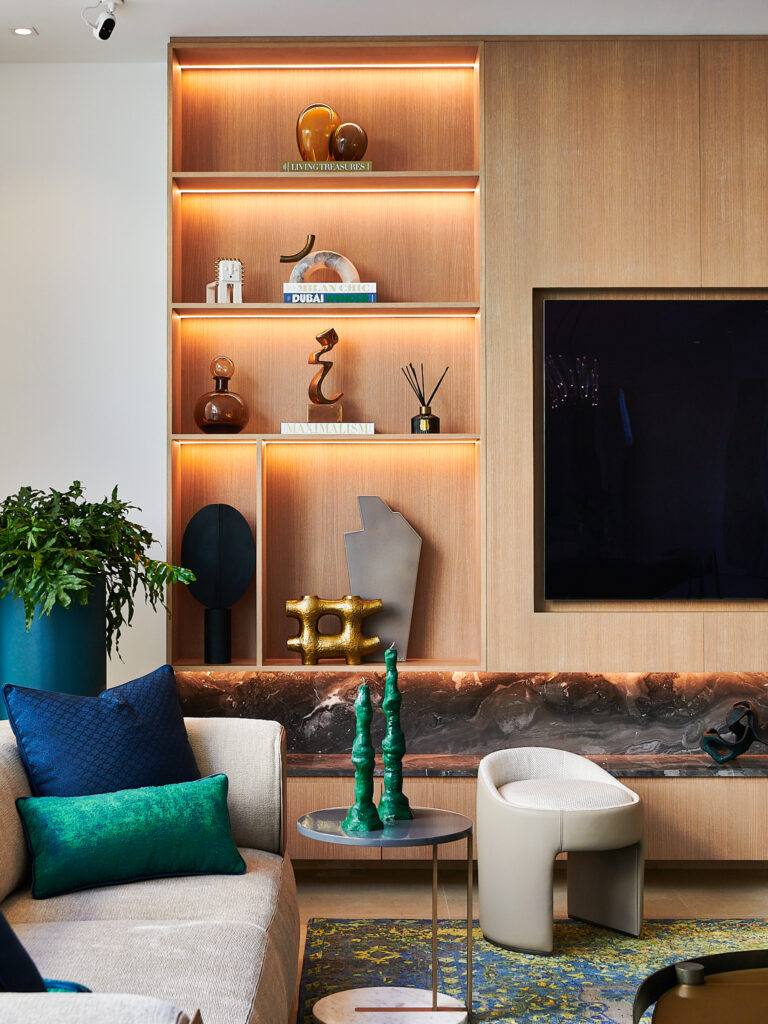
For Ali Mohammadioun, this shift begins with the human experience itself. His vision for 2026 foregrounds atmosphere and rhythm, allowing form and light to shape spaces that feel personal and adaptable. As he notes, “interiors will increasingly prioritise human experience, creating spaces that feel personal, thoughtful, and lived-in.” In this reading, design becomes less about control and more about responsiveness — an interior language attuned to everyday life rather than visual excess.
A parallel sense of restraint underpins the thinking of Claude Missir, who articulates a future defined by what he calls quiet monumentality. Luxury, in his view, no longer lies in decoration, but in proportion, light, and material truth. “The future interior doesn’t seek attention,” he tells Marie Claire Maison Arabia, “it holds presence.” Natural stone, limewashed plaster, aged woods, and softly brushed metals form spaces that feel architectural, calm, and emotionally grounding — interiors that endure precisely because they resist immediacy.
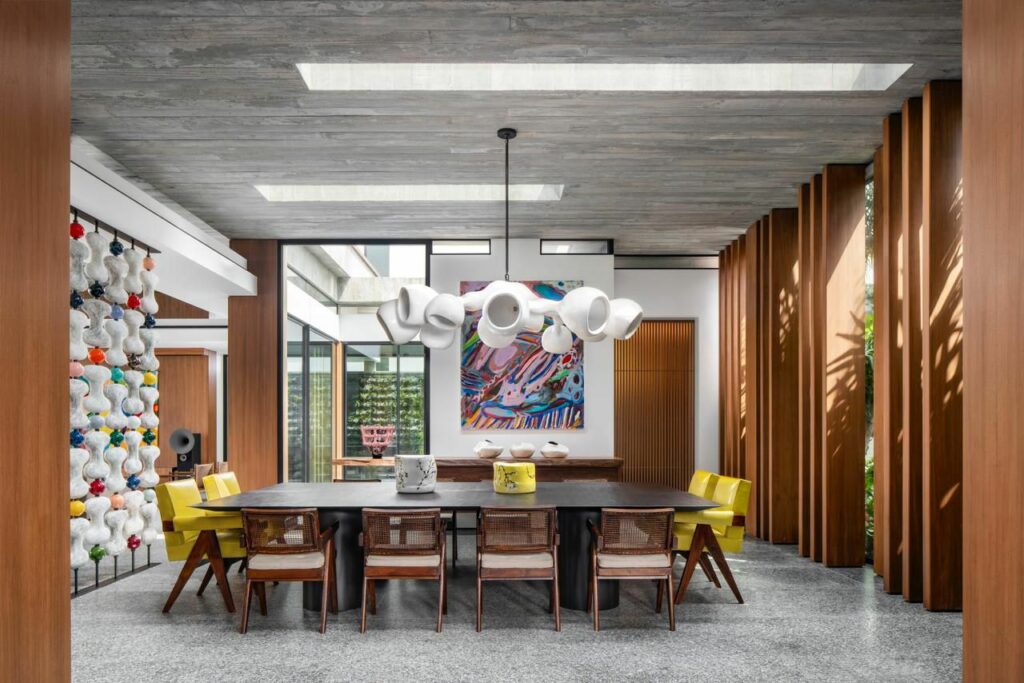
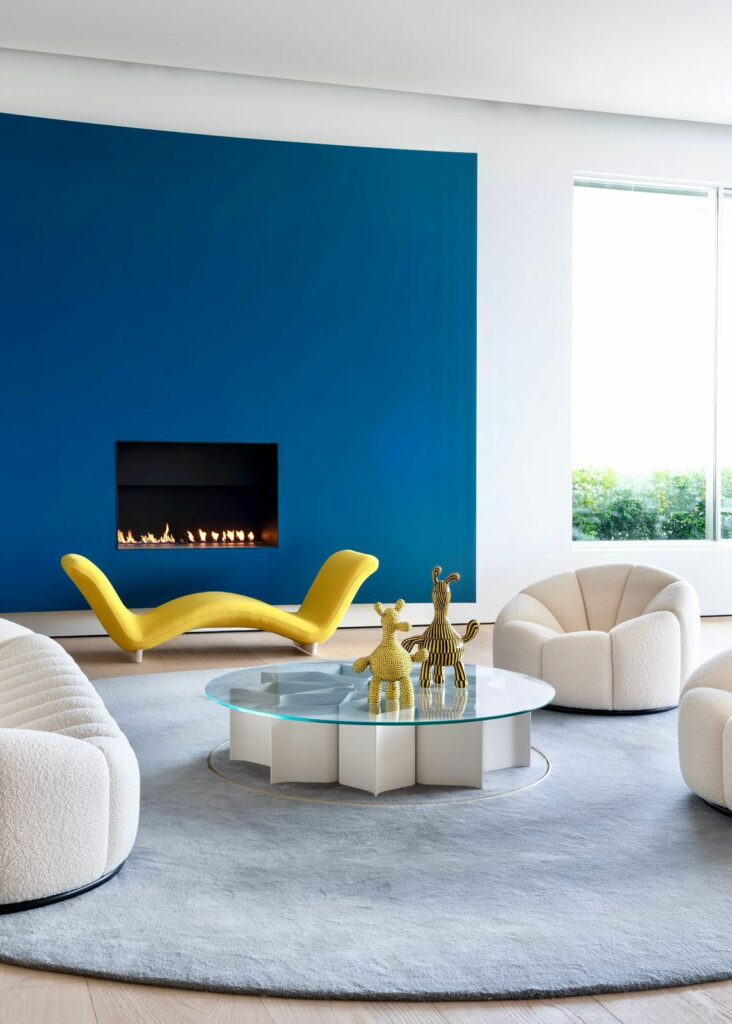
Material and sensory depth are also central to the work of ETEREO, whose approach frames interiors as immersive environments rather than static compositions. For the studio, 2026 marks a decisive move away from image-making. “Design moves beyond aesthetics to become lived experience,” they explain, as layered textures, surfaces, and architectural gestures engage the body and senses. Materiality becomes narrative, allowing space to unfold gradually through movement and time.
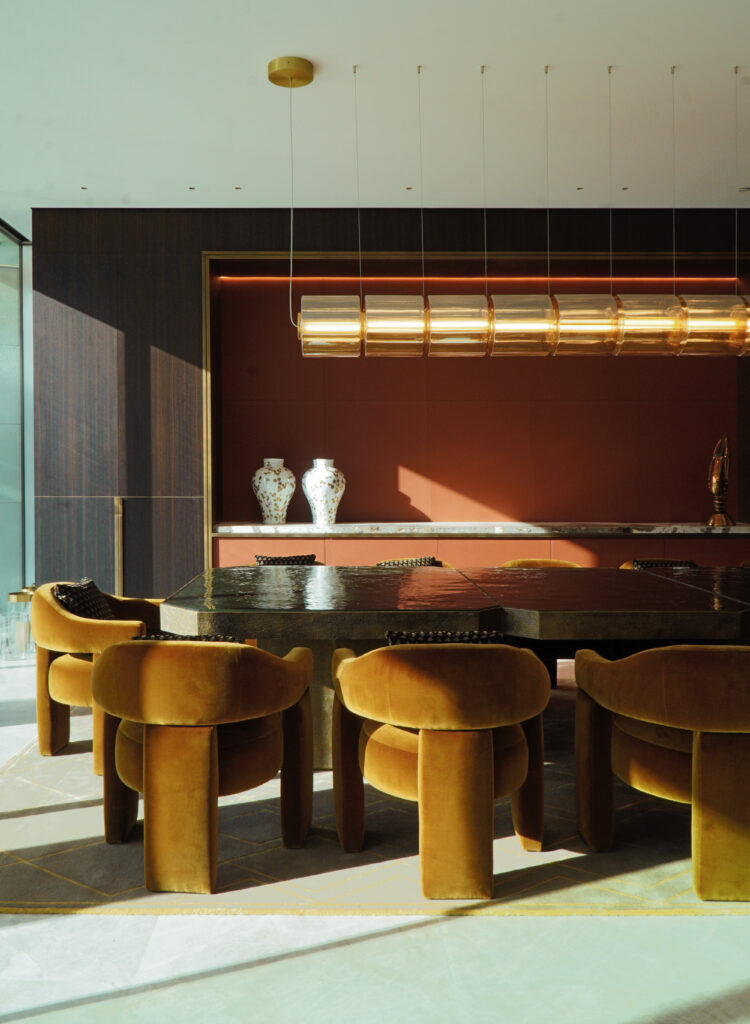
This renewed attention to material honesty finds further expression in the work of Nebras Aljoaib, who describes a clear departure from perfection. “Grain, patina, and irregularity become essential,” she observes, as interiors grow warmer, more human, and deeply personal. Through the mixing of styles, organic textures, and nostalgic references reinterpreted for the present, her vision embraces imperfection as a source of meaning — producing spaces that feel layered, lived-in, and emotionally resonant.
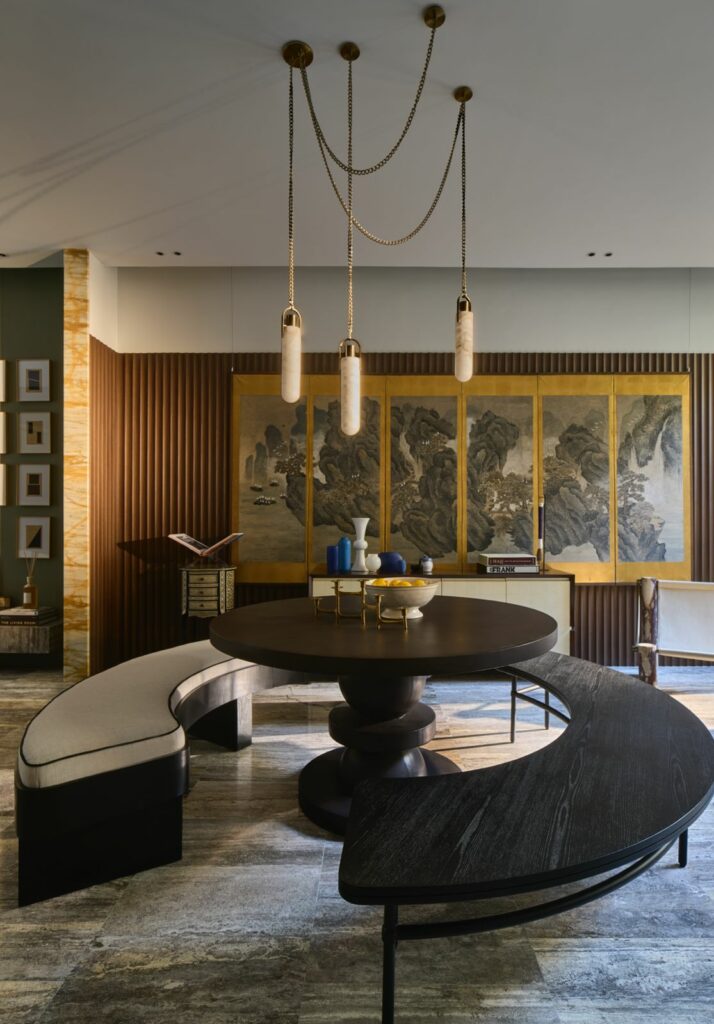
Memory and cultural continuity are brought into sharp focus by Shahira Fahmy, whose practice situates interiors within broader social and historical contexts. “We imagine interiors that carry heritage, soul, and cultural memory,” she explains, stepping away from the picture-perfect in favour of authenticity and human connection. Design becomes an exercise in balance — between solid and void, people and objects, function and speculation — resulting in spaces defined less by polish than by resilience and a strong sense of place.
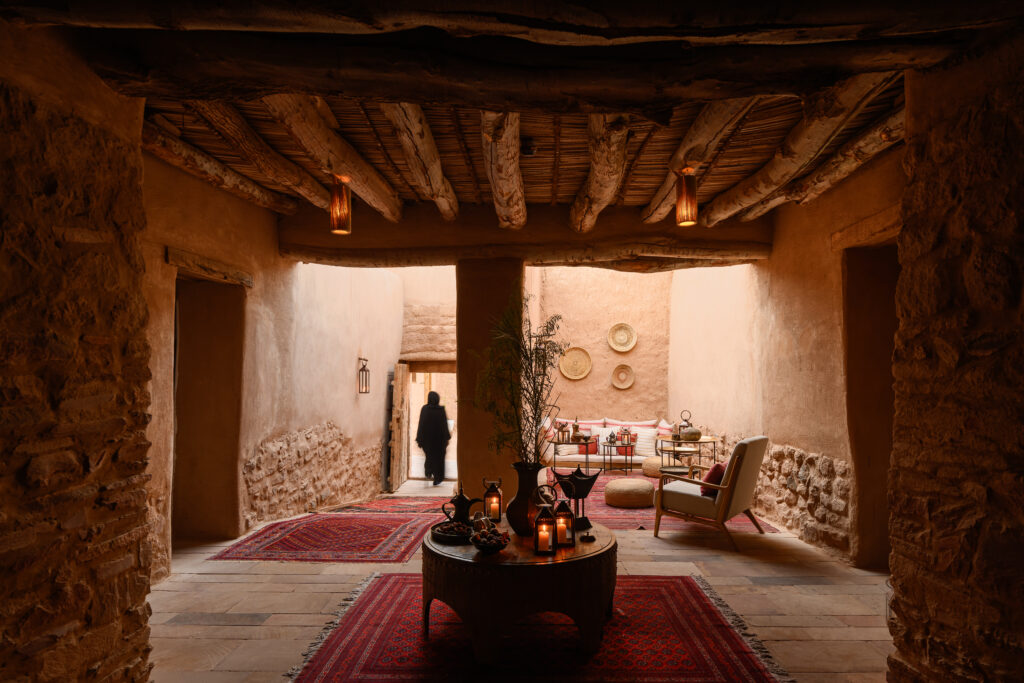
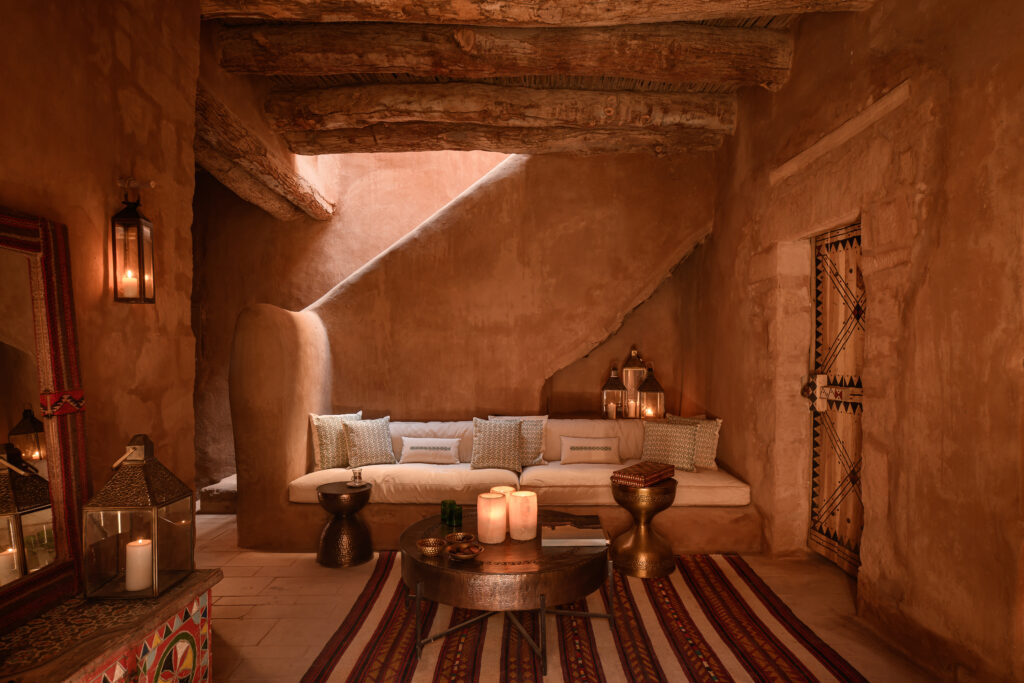
Taken together, these perspectives reveal a profound recalibration of interior design. The defining themes of 2026 — immersion, presence, material honesty, cultural memory, and restraint — suggest a collective desire to reclaim space as a lived condition rather than a visual artefact. In doing so, interiors recover their capacity to endure.
The most compelling spaces of the year ahead may not be the loudest or the most immediately recognisable. Instead, they will be those that reveal themselves slowly — spaces that linger, resonate, and remain long after the image has faded.